
| No | Name | Description |
|---|---|---|
 |
During the latter half of the 19th century, one of the largest ship building facilities was located here between the Dzeņi and Lielkalni homesteads. It was known as the Ķirbiži and then the Vitrupe shipyard, though nothing remains of it. 28 ships were built here between the 1860s and 1929. |
|
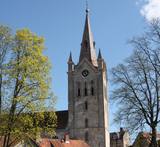 |
Gebaut am Ende des 13. Jh. als eine dreischiffige Basilika im romanischen Stil mit gotischen Elementen. 1853 wurde der 65 m hohe Turm aufgebaut (Aussichtsplatz). In der Kirche befinden sich die Grabsteine der livonischen Bischöfe, Kanzel (1748), Altar aus Eichenholz (1858), Altarbild (1862), Buntglasfenster und eine der besten Orgeln Lettlands (1907). |
|
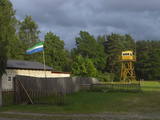 |
This coast guard facility was housed in a building that used to be a maritime school. In the post-Soviet era, accommodations were offered at the building. The coast guard tower is one of the best-preserved objects of its kind along the Latvian shoreline.
|
|
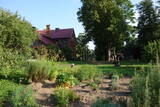 |
The village of Kaldabruņa in the Jēkabspils Adminitsration District has a former elementary school that is currently managed by the Ūdenszīmes organisation. The meadow museum exhibition is compared to a human life cycle, and visitors will see a Smilga exhibition, a childhood lighting objects, the Kadabruņa Māra belt in a hole in an oak tree, the Vārdnieki crown, the Pūra crown, and exhibitions of endangered and rare plants. The Kaldabruņa or Krievāni Māra belt is one of the greatest cultural and historical treasures in the administrative district because it is a unique ethnographic material. The belt is made of 52 ornaments, including 36 modified fire cross ornaments. Nothing of the sort can be seen in Latvian ethnography. The Stāmeriena wrap has 19 modifications of the fire cross, while the belt has blue and yellow ornaments, with red and green colours on its edges. At the end of the belt is a complicated weave of little pearls and fringes. Authentic copies of the belt have not been presented in public, and this unique material has also not been seen in the digital environment. The original belt was received by ethnographers in the late 19th century from Māra Krievāne from the Mačulāni homestead in Kaldabruņa. It is housed at the Latvian Museum of History, which also has the only known copy of the belt. Decoding of the ornaments can be found in a book about Latvian ornaments. The building that is managed by Ūdenszīmes also contains an unprecedented art venue -- the Šķūņa Art Gallery. Also of interest is a hay museum and the stories about the locations. |
|
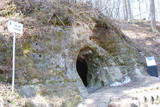 |
Ruins of a Livonian Order castle tower atop a steep hill alongside the Pärnu-Valga highway in Helme. The castle changed hands from Germans to Russians and Lithuanians to Swedes who eventually destroyed it in 1658. The spring at the foot of the hill is believed to cure seven diseases. |
|
 7 days
|
Beer and fish is an important part in the Latvian heritage. The tour introduces you with Latvia through these two fundamental components. While in Riga you have a tasting of the beers from all four Latvian regions and typical snacks as an introduction. Then the tours goes out to the countryside. First stop at the Bauska Brewery which takes pride in their products free of preservatives. Then there is a visit to Rundale Palace and the reconstruction of an ancient Semigalian castle at Tervete. Then visit Tervete Brewery which is a part of multifunctional agrocompany. All their beer ingredients are locally produced. Next day you see how beer is made at home using traditional methods and could taste the difference. Afterwards the tour goes to Liepaja. The city has nice white sandy beach, atmospheric town centre and significant military heritage at Karaosta suburb nowadays used mainly for tourism. Then the route goes into small picturesque town Kuldiga with well-preserved wooden architecture and the widest waterfall in Europe. Another visit to brewery - Uzavas Brewery which specialises in live beer. Then sightseeing of port town Ventspils and fishermen meal and games at small harbour town Roja. Next day you could enjoy morning walk on the beach after which there is a visit to fishermen house to see fish smoking process. Then the route turns back to Riga with an atmospheric bog walk at 'Kemeri National Park on the way and stop at sea resort Jurmala with characteristic wooden villas from 19th century and a lunch at potato restaurant. |
|
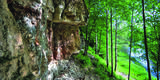 |
1,2 km garā taka atrodas netālu no vietas, kur Gauju šķērso Vidzemes šoseja (A 2). Izejot taku, var iepazīt vienu no Latvijas augstākajiem dolomītiežu atsegumiem – Randātu klintis, kas paceļas 25 m virs Gaujas. Taka ir apļaveida un tās apskatei nepieciešamas ~ 45 minūtes. |
|
|
|
This village is at the place where the Irbe (Dižirve, Īra) River flows into the sea, and it is on both shores of the river (sea side and land side). The name of Irbe was recorded for the first time in a 1310 border agreement between the bishop of Kurzeme and the Rīga Dome Capitol. The name of Lielirbe (Irvemūnde) was recorded for the first time in a document from an arbitration court in 1387. At the end of the 19th century, the small port at Lielirbe was an active centre for the sale and transport of timber materials. In the late 19th and early 20th centuries, the largest number of sailing ships among villages on the western shore of Kurzeme was built there. In 1939, the village had some 300 residents, more than 70 houses and a Baptist church which is now at the Ventspils Open Air Museum. A narrow-gauge railroad passed through the village, which had a post and telegraph office, two grocery stores, an elementary school, a choir and a brass band. Lielirbe was one of the largest villages to disappear after World War II. Cultural historian Valda Marija Šuvcāne (1923-2007) was born in Lielirbe, and her daughter, Baiba Šuvcāne, is continuing her mother's work by writing important papers about life along the Livonian coastline. By 2019, a bridge is to be reinstalled across the Irbe River. |
|
 |
The café is located 1.5 kilometres from the Ķegums hydropower plant. Home-grown ingredients are used to produce berry sauces, pumpkin, and marinated cornichons in brine. Latvian cuisine: Cold soup, pork in mustard, crepes. Special foods: Crème of cottage cheese with stewed berries. |
|
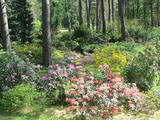 |
This arboretum was established in 1996, when dendrologists Raimonds Cinovskis and Ināra Bondare joined with the local government in Rucava in experimenting with plants on the Rucava castle hill. The first plants were planted in 1998, and ever since then the collection has been expanded in the town centre and outside the Rucava Elementary School. Each year new and exotic plants are brought in from all around the world. A traditional garden festival is held each year in May, when rhododendrons and magnolias are in full bloom. |
|
 |
The restaurant in the relaxation complex Vonadzini, on the southern shore of Lake Ludza, not far from the city of Gulbene. On the menu: tasty fish, chicken and pork meals. Contact the venue in advance for tourist group meals, wedding banquets, etc. |
|
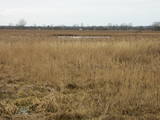 |
Most of this restricted area is made up of a shallow and eutrophic body of water in which many species of birds, including some that are rare and protected, nest. Specialists say that anywhere between 150 and 450 pairs of black-headed gulls nest in this area on a regular basis.
|
|
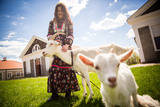 |
Visitors can learn about work from the 19th century, including pottery, which is the oldest craft in the world. You can shear sheep, make beautiful and warm things with the wool, and forge lucky nails and horseshoes. Educational programmes here will be of interest to fans of history and others who want to have a good time. |
|
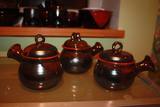 |
The craftswoman is prepared to offer practical activities which allow you to learn about clay, use a potter’s wheel, and release your inner creative abilities. After the firing of the products in a kiln, you will be able to take them along as a fine souvenir which confirms our newly discovered skills. The craftswoman also grows herbs and teas which you can sample. |
|
 |
The spacious cafe in Gulbene with comfortable chairs and a tasty meal of the day menu. It is also possible to taste various types of pizza and dishes typical for the Gulbene district. Working hours: Monday-Thursday: 10:00 - 22:00, Friday-Saturday10:00 - 03:00, Sunday 11:00 - 22:00 |
|
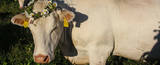 |
„Mieriņi” ir īsta liela lauku saimniecība pļavu meža vidū, kas atrodas pie Latvijas robežas. Tīrajos Latgales laukos tiek audzēti bioloģiski dārzeņi un lopi. Saimnieki dzīvo saskaņā ar dabu un aicina ikvienu savu viesi izjust un izbaudīt apkārtnes skaistumu ar visām maņām: gan garšojot, gan elpojot, gan taustot un klausoties. Visas maņas apvienojot, izdodas dzīvot pa īstam. Miera pilna Latgales ainava ieskauj bioloģisko saimniecību „Mieriņi”. Šī vieta dāvās atpūtu ar jauno lapu žilbinošo zaļumu un skurbinošajām putnu dziesmām pavasarī, ar plašo debess jumu, kas atspoguļojas ūdeņos, un košajām dabas krāsām vasarā, ar dzelteno lapu paklāju rudenī un ziemā – ar silto sniega segu uz karstās pirtiņas jumta. Papildu bioloģiskās gaļas produktiem saimniecība piedāvā arī latviešu gadskārtu svinības, nodarbības dabā, pirts pakalpojumus un telšu vietas. |
|
 |
Находится~ в 4 км, не доезжая до Априки (установлен указатель) – Гибортское кладбище. Слепой Индрикис (1783 – 1828) был латышом, опубликовавшим первое собрание стихов на латышском языке (1806 г.). Индрикис был слепым с 5-летнего возраста и был необразован. Его стихи записал и издал в упомянутом году священник Априкского прихода K. Г. Элверфелдс. На кладбище установлен памятный камень (1935 г.) и созданное Вилнисом Титансом «Аустрас кокс» с надписью шрифтом Брайля. |
|
 3 days
|
Here you will learn about home-based manufacturers, farms, companies and others in northern Vidzeme that produce various dairy products such as milk, yogurt, cottage cheese, cheese, ice cream, etc. You’ll start out in Cēsis with its Medieval old town, castle ruins, St John’s Lutheran Church and other destinations. Wind your way through the Gauja National Park (Ungurmuiža, Lake Ungurs, the Medieval castle and church at Straupe). You’ll hit the seashore at Saulkrasti and then drive along it to Tūja, where you will turn inland again. In Limbaži you will find Medieval castle ruins, a monument to the great folklorist Krišjānis Barons and other objects. Drive on to Valmiera (St Simon’s Church, castle ruins, a museum, Emotion Park, etc.), Rūjiena and Naukšēni (the Naukšēni Estate). Along the “Northern Pathway” you will reach Kārķi and then Smiltene and legendary Rauna (the Raunas Staburags cliff) before returning to your starting point. |
|
 |
A shop located in Jelgava that offers organic, natural food products, healthy products for children, gluten-free products, and ecological cosmetics and cleaning products. All of the products are made by Latvian farmers and home producers, using natural ingredients. |
|
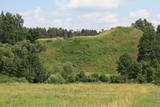 |
Das alte zemgalicshe wirtschaftspolitische Zentrum, das eine stark befestigte Siedlung vor der Ankunft der Kreuzritter war. Die Ruinen der Burg des Livländischen Ordens. |
|


