
| No | Name | Description |
|---|---|---|
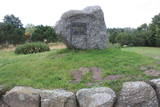 |
Pāvilostā ir trīs parki. Pāvilostas centrā (pie kultūras nama) atrodas Piecdesmitgades parks, kuru 1929. g. iekopa skolotājs un novadpētnieks Ernests Šneiders. Vienu ozolu tajā esot iestādījis Latvijas Valsts prezidents Gustavs Zemgals. Simtgades parks ar piemiņas akmeņiem tapa Sakas labajā krastā jau kā turpinājums iesāktajam. Vecākais no Pāvilostas parkiem - Upesmuižas parks (19. gs.) atrodas tuvu Liepājas – Ventspils šosejai. Upesmuižas pils nav saglabājusies (nodedzināta 1905. g.). Parkā apskatāms sens akmens sols (perimetrs 5,55 m) un Upesmuižas parka Lielais akmens. Domājams, tas ir kultakmens. |
|
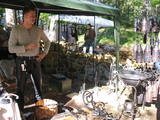 |
The workshop offers a look at lanterns, candelabras, hinges, fireplace tools, stair railings and gates that have been manufactured there, as well as several exhibits from the 18th century. You can produce your own nail, and the blacksmith will also “test” young couples. He also accepts orders for products. |
|
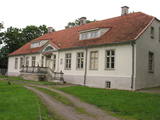 |
Muiža vēsturiskajos dokumentos pirmoreiz ir pieminēta 16. gs. Tagad redzamā vienstāva kungu māja ir vairākreiz pārbūvēta laikā no 17. – 19. gs. 1997. g. ēku vēlreiz atjaunoja un tagad tajā atrodas viesu nams un Vilsandi nacionālā parka apmeklētāju centrs, kur var iegūt ne tikai vērtīgu informāciju, bet arī apskatīt Vilsandi apkārtnē atrastās fosilijas. No Lonas muižas var uzsākt pārgājienu uz Vilsandi salu. Vienā no muižas ēkām ir izveidota Vilsandi nacionālajam parkam veltīta ekspozīcija. |
|
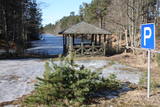 |
The Vecročupe river flows out of the artificial Vaide pond. It was created by blocking the Vaide and the Kukšupe rivers. This happened during the Soviet occupation, when forestry people decided to establish a fishing pond and an area for recreations. A wooden pergola has been installed at the pond, and there is an information stand, as well. On the northern shore of the pond is the Vaide cemetery, which dates back to 1928 and has interesting wooden crosses. |
|
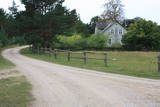 |
This is an ancient populated area. There were 50 homesteads here during the 1930s, with only ten remaining in 1990. The Livonian scholar and entomologist Kārlis Princis (1893-1978) was born in Oviši. In 1944, he emigrated to Sweden. The Oviši lighthouse (1814) is 38 metres high and is the oldest functioning lighthouse in Latvia. There are lovely views from the top of the lighthouse. The building in which employees of the lighthouse used to live was erected in 1905 and has been preserved. A narrow-gauge train station was in the building at one time. The Oviši Lighthouse Museum is nearby, as is the metal Tree of Austra. Opposite Cape Oviši is a great place for bird watching. |
|
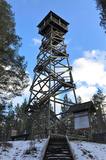 |
This recently built 26-metre wooden tower is on Ūdri Hill (58 metres above sea level). It is on the north-eastern shore of Lake Usma, less than one kilometre from the lake. The tower offers an excellent view of Lake Usma, its islands, and the vast forests which surround it.
|
|
 |
Atrodas Rendā, pie tilta pār Abavu. Mazs, jauks krodziņš, kas atrodas vēsturiskā ēkā ar patīkamu interjeru. Piemērota maltītes ieturēšanas vieta ne tikai tiem, kas pārvietojas pa ceļu, bet arī Abavas laivotājiem. Strādā g.k. vasaras sezonā. |
|
 |
Atrodas blakus Kalnamuižas baznīcai. Dienvidos no tās redzama grāfa Pālena kapliča, uz kuras salasāms vecs uzraksts krievu drukā “Savu mieru dodu jums”. Šajos kapos atdusas daudzi ievērojami cilvēki – mikrobiologs Kristaps Helmanis, A. Brigaderes tēvs, Tērvetes ainavu parka veidotājs Miķelis Kļaviņš u.c. |
|
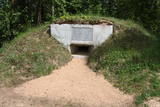 |
This testimony to World War II can be found in the Blīdene Parish. It is one of the very few objects of its type to still be in good condition.
|
|
 |
Kafejnīca "Dižjūra" atrodas Mazirbē, Lībiešu tautas namā. Atvērta vasaras sezonā. |
|
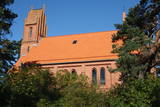 |
Ein im gotischen Stil gebautes Gotteshaus wurde 1888 eingeweiht. Daneben befindet sich ein etnografischer Friedhoff aus dem 19 – 20 Jh. mit ungewöhnlichen Grabkreuzen aus Holz. In den Formen der Kreuze sind die Motiven von Pflanzen, Vögeln, Tieren zu sehen. |
|
 |
The complex is on the northern shore of Latvia’s second-largest lake, Lake Rāzna. The windows of the “Kastānis” café offer a view of one of the loveliest lakes in the country. |
|
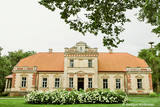 |
The Jakiškiu Estate was first mentioned in documents in the late 16th century. The estate had elements of Classicism in terms of its architecture. Among the buildings, the only ones that have survived are the mansion, an ice cellar and a steam-driven windmill. The estate has not been restored, so it is still authentic. Its artistic soul is preserved by various objects that remain from the time when people lived at the estate and from the Soviet era. Alongside the estate are a few fragments of a park, which covers approximately 2 ha. There is an ancient alley of linden trees that are on both sides of the entrance road, as well as several other valuable types of trees and a small pond. |
|
 |
The grave of Ida Apsāne, who was known as the “moon daughter” of the great Latvian poet and playwright Rainis can be found in the old Lašu Lutheran Cemetery, which is 200 m to the North of the Lašu Lutheran Church. The text on the grave reads “Ida Marie Apsahn, b. March 23, 1867, d. April 10, 1887.” Other members of her family are also buried here. |
|
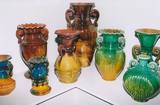 |
This museum is devoted to the career of the ceramist Polikarps Čerņavskis. His work featured light, yellowish and very bright glazing. Guided tours of the museum are available. There are demonstrations of the use of the potter’s wheel. Ceramics can be purchased, and visitors can attend the opening of the kiln. Special works can be commissioned.
|
|
 |
Kalakuningad offers smoked fish directly from the oven, fresh fish during the season, as well as marinated fish in various sauces. Products can be purchased in Pärnu market in the store Kalakuningad, as well as directly in the place of preparation, the Lindi village Pärnumaa. |
|
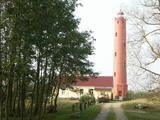 |
Akmensrags is important for birds while they are migrating, spending the winter, and molting in the summer. Most often we find the little gull and the red-throated and black-throated loon. The territory is opposite the Pāvilosta Administrative District and covers 25,878 hectares.
|
|
 |
The cafeteria is in the centre of Krāslava next to A6 highway. It has been recognized as one of the environment friendly enterprises in Latvia. Contact the cafeteria in advance to be served Lettigalian dishes in clay dishes. The cafeteria also has a bakery. |
|
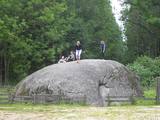 |
This territory was established to protect various kinds of rare butterflies A popular tourist destination in the Nīcgaļi forests is the great rock of Nīcgale, which is the largest rock in Latvia – a geological and geo-morphological monument of nature. The rock has a circumference of 31.1 metres, and it is 3.5 metres high, 10.5 metres long and 10.4 metres wide for a total size of 170 m3. |
|
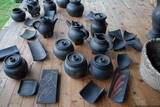 |
The attractive potter is a member of the “Potter School,” and he uses knowledge from his ancestors. The “Malny Wylky” workshop offers a look at traditional pottery work, including a foot-powered potter’s wheel and a firing pit that uses firewood and the smoke technique. You can examine and purchase the finished products. Vēsma, in turn, is an oil painter and will demonstrate her artworks. |
|


