
| No | Name | Description |
|---|---|---|
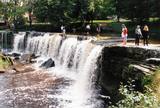 |
This is one of the loveliest waterfalls in Estonia – up to 6 m in height and 50 m in width. Recommended: The rapid Keila River has carved a cliffy canyon behind the waterfall, with a flow of water that falls down a major distance. It’s worth hiking through the Keila park to the shore of the Bay of Finland (~1 km), then returning along the other bank of the river.
|
|
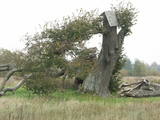 |
Before a great storm in 2005, this was one of the tallest and most noble lime trees in Latvia. Now only one branch is still alive.
|
|
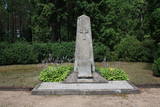 |
This is the largest cemetery of the brethren from the World War I period, and it is the final resting place for some 1,800 Latvian Riflemen, as well as some 2,000 soldiers who served in various Russian army units and were reinterred during the 1930s. There is a monument at the centre of the graveyard. |
|
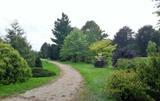 |
Work on this arboretum began in 1958 at a local forest research station that is near the village of Vaišvidava. The arboretum collects and exhibits various local and imported plants for scholarly, educational and decorative purposes. The arboretum covers some 50 ha of land, with more than 800 types of plants. Some parts of the arboretum have rare and protected trees and bushes, and these can only be visited if you contact the arboretum in advance. |
|
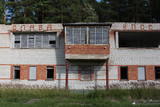 |
The firing range at Skujnieki was once used for summer sports, as well as training in the use of firearms. The Defence Ministry still uses the facility from time to time. The central building of the facility was built in 1982, and its façade is decorated with text in the Russian language: “Слава КПСС” (“All Honour to the Soviet Communist Party).
|
|
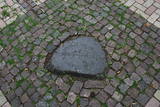 |
The Strūves Park is toward the northwest of Jēkabpils, on the left bank of the Daugava, and opposite the Ādamsona (Krustpils) island. The park was established in the 19th century as a place where the city’s residents could relax and hold celebrations. It can be said with absolute certainty that this is a place of global importance, because the park contains a memorial stone to Professor Friedrich Georg Wilhelm Struwe (1793-1864) from the University of Tartu. He was an astronomer and geodesist. The stone is at a place where Struwe completed his land survey of the Vidzeme Province of the Russian Empire. The meridian location which Struwe identified (and other points related to those locations are found in many other European countries) is on the UNESCO list of world heritage. |
|
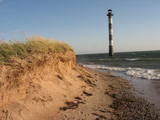 |
Sāmsalas ziemeļrietumu daļā jūrā iestiepjas iespaidīgā Tagameizas pussala (Tagamõisa poolsaar). Tās ziemeļrietumu daļā meklējama mazāka – ap 5 km garā Harilaidas pussala (Harilaid). Pussalas vidusdaļā viļņojas Lajalepas ezers (Laialepa järv) - bijušais jūras līcis, kas zemes garozai ceļoties, kļuvis par iekšēju ūdenstilpi. Arī pati Harilaida (igauniski „laid” nozīmē „saliņa”) vairāk nekā trīs gadsimtus atpakaļ bijusi sala. Harilaidu iecienījuši ne tikai migrējošie putni, bet arī roņi, kurus piesaista vientuļi līči un akmeņainās sēres. Harilaidu var apmeklēt tikai ar kājām vai ar divriteni, bet spēkrati ir jāatstāj autostāvlaukumā. No tā ~ 1 km attālumā atrodas vieta, kur pēc 17. gs. radies Harilaidas savienojums ar Sāmsalu. Šeit paveras nepierasti klaja un akmeņaina ainava. Pārējā Harilaidas daļa ir apmežota pirms ~ 40 gadiem. Kopumā būs jāveic ~ 10 km garš pārgājiens. |
|
 |
Mākslinieka un koktēlnieka Antano Česnulio koka skulptūru parks atrodas Naujasodė ciematā, aptuveni 3 km attālumā no Druskininku pilsētas. Ekspozīcija tiek regulāri atjaunota ar jauniem darbiem. |
|
 |
Atpūtas vieta Braslas upes krastā, kurā pieejamas telts un kemperu vietas. Tiek piedāvātas dažādas izklaides iespējas: laivu noma, meža futbols un meža biljards. Piedāvājumā arī grila noma un malka ugunskuram. Sadarbībā ar kafejnīcu "Zem ozola" tiek nodrošināta ēdināšana, iepriekš par to vienojoties. |
|
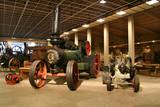 |
This museum offers a look at the Latvian countryside, informing visitors about the history of the development of the agricultural sectors and popularising evidence about farming and life in Latvia's countryside from the late 19th century to the present day. The interest of visitors is facilitated by various equipment used to process the land and harvest and process the crops. There are also various tools. |
|
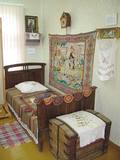 |
The History Museum of Malta. Exposition „History of Malta parish: from
Rozentova and Borovaja to Malta”. We offer household items, tools of trade,
works of art, collection of paper money and coins. Excursion outside the museum
„At the cross-roads of Malta”.
Working hours: Mon– Fri : 9.00 – 17.00, Sat., Sunday : closed |
|
 |
The craftsman offers useful household products such as terrines, pots to make pickles, dishes of sugar and salt, bowls, etc. You can learn about pottery traditions and watch as the kiln is opened. |
|
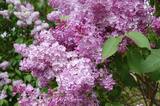 |
The Gardening Institute is the leading scholarly centre for fruit and vegetable research in Latvia. The institute specialises in selection and introduction of plant cultivars that are suitable for cultivation under the agro-climatic conditions in the Baltic countries, have high nutrition value and are rich in fibre content. |
|
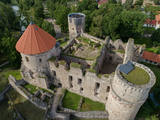 |
Cesis Castle complex is a place where the past meets the future. |
|
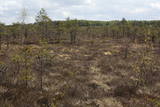 |
Territory established mainly for protection of bog myrtle and various bird species. An interesting fact is that bog myrtle or sweet gale is used as ingredient for making famous Riga Black Balsam. Brienamais purvs (wade bog) is hard to find and reach therefore it is not suitable for tourism.
|
|
 |
One of the most popular places on Latvian seashore to buy smoked fish or fish cooked in some other way. The fish is being smoked by local undertakers so quite often it is possible to feel a nice fish smell in tte village! |
|
 |
"Mākoņmalas" is located in the middle of the forest, in silence. A magical place where you can enjoy SPA procedures and sauna rituals, gain knowledge in magical and non-traditional practices, as well as be alone with nature, improve health, enjoy a "short vacation for the hurried and busy". In "Cloud Edges" you will receive a restart for both body and soul. After the procedures, it is possible to enjoy a deep night's sleep in our home and taste the early breakfast on the terrace, watching the morning rituals of wild animals and the beauty of nature. You can enjoy the morning with a stick or a regular morning walk through the forest to meet deer and other forest dwellers. |
|
 |
You can visit a restored little wooden building to watch and take part in the process of weaving. Natural materials are used to produce lovely souvenirs and useful household products. There are nine looms, and you will hear information about weaving as such. The workshop produces woven scarves which are coloured with natural dyes. |
|
 |
The restaurant is alongside the Salacgrīva Tourism Information Centre, in an historical ice cellar for fish. The interior design is based on seamanship. Latvian cuisine: Cold beet soup, sea fish soup, fish and vegetable casserole, chocolate sausage, pancakes with strawberry jam, kvass. Special foods: Baked and grilled fish – perch, plaice, pike-perch. |
|
 |
The Lazdiņi farm is one of the most modern farms in Latvia, located in the Krimūni Parish in the north-western part of the Zemgale lowlands. The farm focuses on grain farming (~1,100 ha), processing and storage. Owner Juris Lazdiņš is the chairman of the largest non-governmental organisations in the field of agriculture, and by contacting him in advance, agriculture experts and future experts can go there to exchange experiences. The farm is surrounded by the typical landscape of the Zemgale lowlands. |
|


