
| No | Name | Description |
|---|---|---|
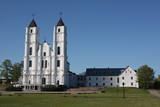 |
This is the centre for Catholicism in Latvia and a destination for pilgrims from all around the world. Its origins date back to 1699, when the Dominican Order established a cloister. One year later, it built the first wooden church. The brick Church of St Dominic and the buildings of the cloister were erected between 1768 and 1800. The Baroque church is distinguished by two towers that are 60 metres high. The pulpit, organ prospectus, organ, prayer bench and pews come from the 18th century, while the side altars date back to the early 19th century. The central altar includes the painting “The Miraculous Mother of God of Aglona,” which is thought to have healing properties. For that reason, it is unveiled only during important events. In advance of a visit to Latvia by Pope John Paul II in 1993, the complex underwent major rebuilding and restoration. On August 15 each year, hundreds and thousands of pilgrims arrive in Aglona to celebrate the assumption of the Virgin Mary. The holy stream of Aglona is 100 metres to the East of the basilica. |
|
 |
SIA "Lubeco" audzē zemenes un cidonijas 7 ha platībā Talsu novadā, pie ciematiņa Lubezere, kas atrodas netālu no Valdemārpils. Uzņēmums jau gadu ir mājražotājs. Sezonas laikā zemenes pārdod svaigas, bet rudenī un ziemā pārstrādātas dažādos produktos. Cidonijas tiek pārstrādātas sukādēs, sīrupos un sulā. |
|
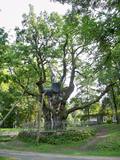 |
This park dates back to the mid-18th century and is to the south of Lake Stelmuže. There are winding trails on all sides of the hillock that lead to the Christ the King Church, with linden, maple, oak, birch, fir, elm and pine trees. At the foot of the hillock is the Laime stream, and visitors are welcome to stroll along the alley of oak trees. The oldest and fattest oak tree in Lithuania is one of the oldest ones in Europe. It is though that it is 1,500 to 2,000 ears old, and its record-setting diameter is 3.5 metres (eight or nine people linking hands are needed to encircle it). The tree is 23 m high. |
|
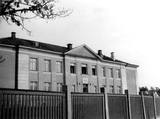 |
The roots of Saulkrasti Secondary School reach back to Pabaži, to 1912, when a young teacher – Olga Veicmane (after marriage: Cīrule) arrived from Riga to teach the sea captain Reisons’ daughter. Soon many other tutor-seekers joined her and in autumn of 1912 a school was established in Pabaži. The school had a good reputation, and pupils came from the entire surrounding area. In January of 1913, the school was moved to more spacious premises at 20 Rīgas Street. |
|
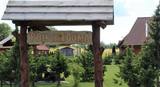 |
Peaceful place in nature for great relaxation. Food is prepared from the local ingredients of Hiiumaa according to the preferences of guests. In addition, you can enjoy a genuine wood-heated sauna and bathing barrel, children's playground. |
|
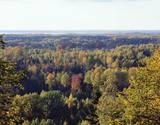 |
This is the highest point in the Latgale highlands (289 metres above sea level), opening up a narrow but lovely view of Lake Rāzna and the massive forests of the highlands. You really should visit this hill when the sun is setting beautifully!
|
|
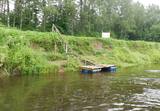 |
Atpūtas vieta Gaujas upes kreisajā krastā, pusceļā starp Virešiem un Aņņu tiltu (Gaujiena-Valka; P23). Pieejams galds maltītēm, ugunskura vieta, sausa malka, telšu vietas, tualete. |
|
 |
The Great and Small Baltezers lakes, which are in a forested and sandy area, feature a unique system in Latvia – a water delivery zone with artesian wells and water filtration layers. The system was in place in 1904, when the Baltezers pump station was opened. In 1998, the Rīga Water Delivery Museum was opened in the station, providing information about the 400 years of water delivery in Latvia, including various mechanisms, ancient wooden pipelines, etc. Around the museum is a boiler house, along with a machinery house, accommodations for workers, and mechanical workshops. |
|
 6 days
|
On this trip you will encounter a rich blend of wetland, woodland and coastal habitats, when almost all the species have arrived and some passage migrants still remain, with the possibility to see around 200 different species. Birdwatching starts in the Gauja National Park with beautiful rolling relief, then goes to the eastern edge of the Gulf of Riga and Lake Burtnieks where there is also the chance of night trekking on the flood plains. Seda bog with its reed beds and flood plains is rich in wildlife. Next day canoeing along the Gauja river will offer a different viewpoint to see the birds, plus with luck some beaver and other wild fauna. Then you pass through oak forest to Lake Lubans. Its wetlands and fish ponds form one of the prime birdwatching sites in the country. A local speciality - fish-soup - will keep you warm. The site is also one of the first known stone-age settlements in Latvian territory. On the way back to Riga there is a stop at Garkalne pine forest. |
|
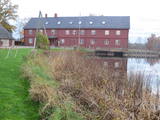 |
The watermill processes wool with equipment that is 100 years old and is used to produce handmade blankets and pillows that are stuffed with sheep wool, as well as souvenirs that can be commissioned and purchased. The watermill offers tours and fresh-baked bread. A wool pulling and wrapping machine that dates back to the 19th century and was manufactured at the Šūberts Rudītis & Co company in the 19th century is still used, as are a unique weaving apparatus from Germany and a grain mill.
Latvian cuisine: Marinated herring with vegetables, porridge, mashed potatoes a la Vidzeme (with fried onions), pancakes with jam made of Latvian berries and honey, homemade bread.
Special foods: Water pretzels and local soup with six types of fish.
|
|
 |
This is one of the most beautiful gardens in Nīca, particularly featuring hostas and maple trees. There are more than 130 varieties of hostas, as well as 25 maple trees. The large pond features fish that can be fed, and visitors will enjoy the beauty of the garden. Guests will particularly enjoy the impressive homestead sign that was created after a long search. The garden has done will in beautiful garden competitions at the level of Nīca and the level of Latvia. |
|
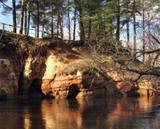 |
Taka ved gar Vaidavas krastu, kur iespējams veldzēties dabas skaistumā, kāds vērojams tikai šeit. Starp Apes vidusskolu un kapsētu Vaidavas upes kreisajā krastā ir izveidojušies 8 - 10 m augsti, līdz pat 100 m gari smilšakmens atsegumi - Raganu klintis. To lejasdaļā upes straume izskalojusi nelielas nišas. Pie klintīm pāri upei izveidots gajēju tiltiņš uz otru krastu, no kura klintis paveras visā savā krāšņumā. Te ir teikām un nostāstiem apvīti avoti un alas. Avots ar skaidru ūdeni iztek no vietas, kur Vaidavas upes smilšu klints krasts ir augsts un stāvs. Senāk vietējie ticējuši, ka tas ir veselības avots, jo daudzi to lietojuši dažādām acu slimībām.Dīvainos dabas objektus – Vilkaču priedi un Dvīņu priedes, Raganu slotu, “raganu apļus”, “raganu kaulus” u.c. te var apskatīt un vides gida vadībā mēģināt izprast to veidošanos
|
|
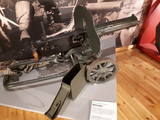 |
Ikšķiles vārds Pirmā pasaules kara laikā izskan saistībā ar diviem notikumiem – Ikšķiles priekštilta nocietinājumiem (Nāves sala) un kaujām pie Mazās Juglas upes. 1917. gadā 1. septembra rītausmā Vācijas impērijas armija uzsāka uzbrukumu iepretim Ikšķilei ar mērķi ieņemt Rīgu un saņemt gūstā Krievijas 12. armiju. Ar spēcīgu artilērijas atbalstu vācu vienības izsita Krievijas armijas karavīru daļas no Ikšķiles pozīcijām, kas savukārt ļāva Vācijas armijas karavīriem pa trim pontonu tiltiem šķērsot Daugavas upi. 1.septembra pēcpusdienā vācu izlases vienības sasniedza Mazās Juglas upes apkārtni pie Tīnūžiem, kur tām negaidīti ceļu aizšķērsoja no rezerves steigā atsauktā 8000 vīru lielā 2. latviešu strēlnieku brigāde, kura ieņēma pozīcijas gar Mazās Juglas upi. Latviešu strēlniekiem tika pavēlēts aizkavēt vācu karavīrus, līdz visa 200 00 vīru lielā Krievijas 12. armija izies no aplenkuma, nenokļūstot vācu gūstā. Latviešu strēlnieki savu uzdevumu izpildīja pilnībā, diennakti cīnoties pret gandrīz desmitkārtīgu vācu pārspēku. Kauja pie Mazās Juglas upes bija viena no traģiskākajām un reizē viena no leģendārākajām Latvijas vēstures lapaspusēm. "Tīnūžu muižā" ir izveidota 1. Pasaules kara tēmai un Juglas kaujām veltīta ekspozīcija. |
|
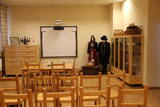 |
This collection features the heritage of the Suiti people, including an exhibition of folk costumes. Visitors can learn about the costumes and try them on. This is a cosy place for meetings, with well-equipped rooms for seminars and various types of training sessions. |
|
 3 days
|
The route leads from Riga, the capital of Latvia through beautiful countryside areas to Kaunas, the second largest city of Lithuania. Klūgu landscape garden and park is famous for begonias. Institute of horticulture in Dobele owns a collection of over 200 types and forms of lilac plants. The “Beautiful&Practical” garden is proud of its collection of conifers, and the hosts offer tastings of herbal spice powders, dried berries and fruit. “Rūķīšu tea” is one of the largest farms for medicinal plants in Latvia (purple coneflowers, marigolds, chamomile, etc). Enjoy the beauty of peonia in the collection garden by Andris Berkins. Viestardi tulip garden also grows and processes buckthorn. Next stop is at the vegetable and herb farm “Healthy” producing herbal ointments. Visiting Mint House you will taste mint tea, biscuits, honey with peppermint and peppermint syrups. At Blankenfelde manor you will see a collection of bells and will enjoy natural juices, syrups and pickles produced in-house. In Joniškis, you can visit the White and Red Joniškis Synagogues, the Joniškis Church of the Assumption of the Virgin Mary, and the Joniškis Museum of History and Culture. Jakiškiai Manor has not been renovated and shows authentic elements like ovens, shutters, stairs, doors. There are about 30 different species and varieties of plants growing on the grounds of the Baltic Plant Museum. Šiauliai University Botanical Garden demonstrates heritage rural plant gardens arranged according to the traditions of pre-war, inter-war and post-war periods. Burbiškis Manor and its beautiful landscape and sculpture park is a home to the annual tulip festival. Authentic homesteads representing Aukštaitija region can be seen at Kleboniškiai Rural Household Museum. Baisogala Manor is called royal, since it once belonged to a Lithuanian Grand Duke, its 12-hectare park is one of the most beautiful in Lithuania. There are two beautiful heritage gardens surrounding the museum of Mačiulis-Maironis, a famous Lithuanian poet. Home produced “Happy Foods” can be bought from Garsi Tyla homestead, and you can have a walk in their 100-year-old orchard and see the culinary herb garden. The Lithuanian Institute of Horticulture carries out both scientific and experimental/production activities. You can also buy seedlings, and seasonal fruit and vegetables. At Tadas Ivanauskas Homestead at Obelynė Park you will see a collection of 300 species and forms of plants, including some of the oldest trees on the planet – the ginkgo biloba and the dawn redwood. In Kaunas you will see the Oldest Apple Tree in Lithuania – almost 360years old, 8 metres tall, with a girth of 285 centimetres at a height of 1.3 metres. The Vytautas Magnus University Kaunas Botanical Garden exposes the Lithuanian Heritage flower garden plants according to their botanical classification. The tour ends in Kaunas that was the capital of the country from 1920 until 1939. |
|
|
|
In Otepää wurde am 4. Juni 1884 die estnische Fahne geweiht. Im Pastorat ist ein Zimmer der estnischen Fahne eingerichtet. |
|
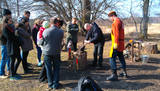 |
Visiting a blacksmith has always been something special. Does this job still exist, and is it still importance? Some may wonder who is a blacksmith is in the first place. The DUDU Nests open-air smithy will answer all of your questions. The blacksmith will teach you all about his profession, talking about the tools and materials that are necessary, the relevant traditions and the everyday work of blacksmiths today. You can forge your own nail to test the difficulty of the work. The blacksmith will happily attend your event with his open-air forge. This is perfect for students, smaller children, wedding guests or individual visitors.
|
|
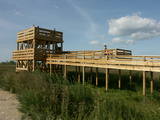 |
This is the only viewing platform in Latvia which is wheelchair-accessible. From the second level, you can see much of the restricted territory – areas of reeds, some wetlands, dunes and the estuary of the Daugava River. This is a good location for bird-watching.
|
|
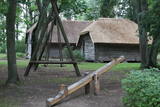 |
The Dole is the largest island in the Daugava River, surrounded to the Northeast by the rapid waters of the Daugava and to the Southwest by calm and gradually overgrown waters from Dry Daugava. The island is a specially protected nature park, established in 1986 to protect the landscape and cultural and historical values of the island in the wake of the construction of the Rīga hydroelectric power plant, as well as rare and protected species of plants and animals. The island is also meant to provide education and leisure for visitors. Best known on the island is the Daugava Museum, which is in the mansion of the old Dole Estate. The museum features some 13,000 exhibits that speak to the history of the island and the river – Baltic and Livonian apparel, tools and household objects. The exhibition also presents the Daugava as an important waterway and the related history of forms of transport and rafters. In the park is an open-air exhibition with reconstructed lamprey eel traps and a barrier to fish salmon, along with a set of fishing tools. A dolomite cliff is alongside the museum on the steep shore of the Dry Daugava. The ruins of the Vecdole castle can be found on the south-eastern end of the island, near Bēči. |
|
 |
A popular café, located in the centre of Sigulda, just opposite the railway station, that offers breakfast, salad, snacks and main courses. Natural and truly delicious pastries, cakes and culinary products. |
|


