
| No | Name | Description |
|---|---|---|
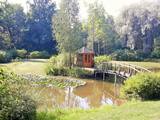 |
One of the oldest botanical parks in Lithuania, this one was opened by Izidoras Navidanskas in 1928, when he was only 16. In 1965, the park because the Žemaitija botanical park, and Navidanskas and his son, Rapolas, who is the current owner, did a lot to expand it. |
|
 2 days
|
On the first day visit a farm specialised in goat breeding and making exclusive cheese, a farm which grows and processes hemp in several generations, berry and fruit grower as well as traditional lamprey fishermen. Next day have a master-class with famous chefs in the restaurant in Riga where these ingredients will be used to prepare first class meals. |
|
 |
A memorial room to Pauls Stradiņš is found at Raiņa Street 14 in Viesīte. A memorial plaque on the green wooden house tells us that the distinguished Latvian surgeon, academician and professor Pauls Stradiņš (1896-1958) lived there from 1902 until 1914. The exhibits relate to Stradiņš and his family. Right now the room is closed to visitors, and it is planned that during the tourism season of 2013, its contents will be displayed at the former Viesīte school at Peldu Street 2.
|
|
 |
During the latter half of the 19th century, one of the largest ship building facilities was located here between the Dzeņi and Lielkalni homesteads. It was known as the Ķirbiži and then the Vitrupe shipyard, though nothing remains of it. 28 ships were built here between the 1860s and 1929. |
|
 |
Delicious, home-made canned food and other culinary specialities for everyone who appreciates local products. Local cuisine is served and canned food can also be purchased. |
|
 |
Teaching workshops and home cafés are common throughout Estonia, but they are found most in Peipsimaa region. During the workshops, the participants, with the help of the chef, prepare 3-4 dishes, which are then shared afterwards. Emphasis is placed on local products and the favourite recipes of Peipsimaa region. Teaching workshops are mainly organised outdoors, where a fireplace is made; a grill, pot or samovar is used. In winter, workshops even take place on the ice of Lake Peipus. |
|
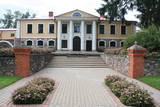 |
The estate is in the centre of Ineši, 5 km to the south of Vecpiebalga. The estate dates back to the latter half of the 17th century, when an ornate castle for the noble Sheremetyev family was built here in the style of Classicism and on the banks of the little Orisāre River. The castle was built down during the 1905 Revolution, but restored four years later. Around the castle is a lovely landscape park. The castle served as the prototype for the Slātava Estate in the famous novel “Age of the Surveyors” by the Kaudzīte brothers. In 1992, the Piebalga Administrative District Museum was opened in the wine cellar of the castle, which is home to the Ineši Parish Council and a porcelain painting studio. Organised tours of the estate and its surrounding area are available. |
|
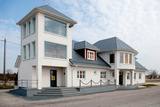 |
The Centre at Sõru harbour exhibits various vessels, smaller wooden boats are built and renovated here too. The three-masted schooner Alar is awaiting restoration. Part of the Centre complex is the Sõru Museum giving an insight into local sea-going history; workshops on coastal life and seafaring can be booked in advance. |
|
 |
Sprižu ģimenes bioloģiskā saimniecība "Dabas Gardumi" atrodas Mārupes novadā un tā apsaimnieko ogulājus 23 ha platībā. Audzē avenes, upenes, jāņogas, ērkšķogas, sausseržus, piparmētras, ābolus, plūmes u.c. Visas ogas svaigā veidā tiek piedāvātas sezonas laikā, kā arī tiek pārstrādātas, no kurām ražo dažādus augļu - ogu gardumus: augļu-ogu bumbiņas, salmiņus, sulas, marmelādes un tējas. Saražotā produkcija ir dabiska, garšīga, veselīga, šķiedrvielām un vitamīniem bagāta, jo pārstrādes procesā augļiem, ogām un garšaugiem tiek saglabāts pēc iespējas lielāks tā dabiskais sastāvs. Pārsvarā gardumi top no pašu izaudzētiem un savāktiem dabas izejmateriāliem (augļi, ogas, garšaugi), ražotajiem produktiem netiek pievienots cukurs, līdz ar to augļu-ogu gardumi ir lieliska gan ikdienas, gan svētku uzkoda kā maziem, tā arī lieliem baudītājiem. |
|
|
|
Linezera dabas takā apskatāms ezers, kurš mēdz pazust pazemē. Apmeklējums saskaņojams ar zemes īpašnieku. |
|
 |
The rest complex is situated on the shore of the man-made water reservoir, and there are two saunas on the territory – the Big sauna and the Small sauna. In the building of the Big sauna it is possible to organise different events for as many as 40 people, and in summertime – till 60 people. In the Small sauna – up to 20 people. Apart from the saunas, there are offered 20 different picnic places with tables, places for grills and tents, volleyball playgrounds, boats and water-bicycles for rent. |
|
|
|
Ein einzigartiges Örtchen beiderseits des Flusses Minija, wo der Fluss eine „Hauptstraße” ist. Litauens Venedig. |
|
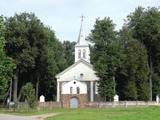 |
Sts. Peter and Paul Roman Catholic Church of Ozolmuiža was built in 1820 by the foundation of
counts Plāteri-Zībergi. It is a stone building with a small bell tower. The church has a huge stone altar with
four columns and a massive cross. It is a monument of state importance.
|
|
|
|
Biškopības produkti bioloģiskajā saimniecībā, informācija par biškopību un dabas aizsardzību. |
|
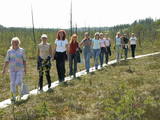 |
This is a highland swamp with several little lakes. At the SE of the area is a wooden trail.
|
|
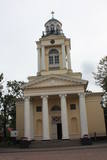 |
Lai arī dievnama pirmsākumi meklējami 18. gs. sākumā, tā celtniecību (arhitekts Johanns Eduards de Vite) pabeidza viena gada laikā 1834. – 1835. g. (vēlīnā klasicisma stils). Būvniecības darbus finansēja Krievijas cars. Gan baznīcas atrašanās piejūrā, gan arī tās nosaukums liecina, ka tā celta, godinot Svēto Nikolaju, kas ir visu jūrnieku un zvejnieku aizbildnis. Baznīca apskatāma arī no iekšpuses, kur uzmanība jāpievērš ērģelēm un altārgleznai (1888. g.). |
|
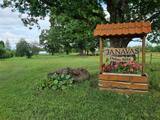 |
The farm grows herbal tea plants such as blue dragon, purple cornflower, peppermint, and lavender, as well as other plants. It also offers cosmetics such as the Beāte line of facial creams, as well as cornflower eau-de-toilette. You can take an informative tour, taste delicious teas, and purchase the cosmetics. |
|
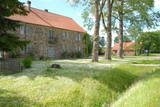 |
On the way to Turaida you must definitely stop at Gutmana cave. It is the widest (12 m) high (10 m) and in terms of volume - one of the biggest Latvian caves (cave like niche), which is also an important cultural and historical site, place rich with stories (most popular of Turaida Rose), surrounded by ancient walls and ceiling inscriptions (oldest from the end of 17th century). A spring originates from the cave; it is believed that it has healing properties. Turaida Museum reserve with Batlic scale outstanding monuments whose history stretches over 1000 years in the distant past is located at the point where the right mainland of Gauja valley is split by deep ravines of several small streams. Their exploration can be started with Turaida manor (first mentioned in 16th century), which is an outstanding example of Vidzeme manors. 21 buildings, built between the 18th century until the beginning 20th century are preserved until now. Visitors can see the manor stables, coach house, sauna, forge, fish cellar, barn, foreman house, the old residential buildings of landlord, and residential building of manor servants, oust house, etc. While walking in Turaida direction, we will reach the grave of Turaida Rose, which relates with the legend of Turaida Maija, who sacrificed her life for love. Near the grave grows a great linden tree (poor condition), wich is believed to be planted on the grave of Maija. Turaida Lutheran Church that lies further is the third church in a row and one of the oldest (1750) Latvian wooden churches – single volume wood log building with a baroque tower. Here you can see the altar and pulpit (Middle of the 18th century), altarpiece "Golgotha" (end of the 17th century – beginning of the 18th century) and historical exposition. Tautasdziesmu (folksongs) Park stretches at the Dainu Hill, the development of which started in 1985, noting the 150th anniversary of father of Latvian folk songs – Krisjanis Barons. More than 26 stone sculptures created by the sculptor I. Ranka are exhibited here. This is also a place of annual folklore events. Before the construction of Turaida stone castle (started in 1214), wooden Liv castle stood here. Turaida castle belonged to the Bishop. It existed for a long time - until to the 1776 when it was burned down. In 1953 an extensive restoration works was started here; upper storey of main tower, barn building (exposition on Sigulda district), semi-circular tower and castle complex in the southern enclosure was restored. Now the museum exhibition is established at the castle premises, which tells about the historical events in the surroundings. |
|
 |
The restaurant is at the seaside and in an ancient Latvian fishing farm with the view of the beach. Live music is performed during the season. Latvian cuisine: Potato salad with sausage, cold soup, grey peas with bacon, blood sausage, boiled pig’s ear, leg of pork with sauerkraut, pork roasted on coals, bull testicles, potted beef. Special foods: Low-salt herring cooked on coals. |
|
 2 days
|
This part of the Forest Trail passes through the historical centre of Valmiera. In Valmiera you can visit St. Simon’s Church, the Ruins of the Livonian Order Castle and Valmiera Museum. We also suggest walking the barefoot trail in “Sajūtu Parks” (Park of Senses). After sightseeing in Valmiera, the Forest Trail goes through Atpūtas (Recreation) park, the beautiful pine forest and Baiļi winter ski centre. Further on you will walk along the River Abuls Trail, curving along the banks of the river until reaching the Brenguļi brewery built in an old Hydroelectric power plant. You can enjoy unfiltered and unpasteurised beer here. Further down you will enter unpopulated forest areas and the Northern Gauja protected landscape area. The forests in Northern Gauja (“Ziemeļgauja”) are very diverse. There are old or natural boreal (northern) forests and marsh forests, oak forests, alluvial forests (formed on river sediments which periodically flood) and mixed oak, wych elm and ash forests along the river. The tour will end in Strenči Town. |
|


