
| No | Name | Description |
|---|---|---|
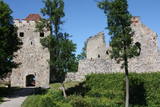 |
Exploring of Sigulda can be started with a visit to Sigulda castle ruins. The construction of the castle was begun by the Knights of the Sword Order in 1207, but in 1236 it was rebuilt for the needs of the Livonian Order. Sigulda castle suffered much from the wars in the second half of the 16th century and in the beginning of 17th century. During the Northern War, it is burned down and is no more restored. Today south-western building of the convent and the tower of the main gate, behind which is the inner forefront of the castle with open air stage, which offers impressive views over the Gauja valley. Currently the reconstruction of castle ruins is in progress. Construction of New castle (owner - Prince Kropotkin) in the South of the Sigulda took place from the 1878 until 1881. From 1923 - 1940 the building was the Palace of Writers, but during the Soviet years - Cardiology sanatorium. Since 2003 Sigulda district council is located there. The manor complex includes wooden house (middle of 19th century), which was Kropotkin's family home, barn (turn of the 18th - 19th century), gardener's house (19th century) and a stone fencing (19th century.) If we make our way from New Castle in a north-eastern direction, after almost 2 km we will reach Vejupite ravine. There you can see the shallow (3.6 m) but high (6.1 m) in Peter's Cave and deep Pucu ravine with Krauklupite. At the conjunction of ravines of both streams rises a Satezele hill fort (plateau 90 x 75 m), where in the beginning of 13th century was the oak castle of Liv land chief (eldest) - Dabrelis. Near can be found Krauklu gorge - ravine of Vejupite left bank, with 11 m high sandstone walls and 5.2 m deep Krauklu cave. At the conjunction of Vejupite ravine and Gauja valley columns Paradise (Gleznotaju) Hill - a very picturesque place, painted and photographed since old times! The Paradise Hill can be reached with a electric vehicle. In the west part of Sigulda is located Ferris wheel (works during the summer) and Air cableway (streetcar) - the only this type of vehicle in Baltics (built in the 1969). Its self-supporting cable extends in 1060 m length and without any support joins the Gauja River valley banks between Sigulda and Krimulda ~ 40 m above Gauja River. Here you can enjoy excellent views! In the south-western part of Sigulda one can walk to mighty Beites precipice, which is split by the deep ravine of stream. On the west side of the ravine lies Keizarskats, which is located ~ 67 m above the Gauja level and offers good views of Krimulda and Turaida castle. Sight place was arranged here already in the 1862 when Russian Tsar Alexander II visited Sigulda. In the eastern part of the ravine wooden Keizarkrēsls (Emperor Stool) is located. |
|
 |
The Kemeri railroad station dates back to 1877,
when the rail line was opened. A train from Moscow
travelled to Ķemeri for awhile, and until 1920, there was
a tram leading from the train station to the beach at
Jaunķemeri. The station was destroyed during World
War I and rebuilt in 1922 (the architect was Artūrs
Medlingers). This was the first building in Ķemeri to be
erected after the establishment of Latvia’s
independence. The station building was rebuilt once
again after World War II. A bike rental facility is found
inside.
|
|
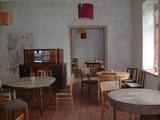 |
The manor was established in the 19th C. Today its mansion houses a restaurant where chefs cook affordable and simple dishes from local produce following principles of Estonian cuisine. Menus are always displayed and daily updated on the website, motorists in transit and group bookings are equally welcome. |
|
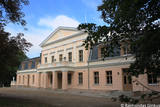 |
This is one of the most colourful and architecturally interesting parks in Lithuania. It was rebuilt and expanded between 1898 and 1900 by the renowned dendrologist G.F. Kuphaldt. The park had more than 200 types of plants, more than 100 of which are still growing. There are various roads and pathways that offer a sense of the mightiness and beauty of the park. A dendrological trail with markers offers information about 15 rare trees. |
|
 |
Pie Gārsenes pils atrodas bijušais muižas parks 4ha platībā un pie tā sākas arī Gārsenes dabas takas. Dabas takas vēsturiski tika veidotas vienlaicīgi ar pils kompleksa būvniecību un ieeja takās atrodama pie mākslīgi veidotā, ar bruģa pamatni izliktā barona peldēšanās dīķa. Takas sākumā saglabājusies ošu aleja, ko savulaik stādījis barona dārznieks, savukārt taku vidusposmā apmeklētājiem ir iespēja pasēdēt uz Barona krēsla - akmens ar cilvēku veidotu sēdvietu tajā. Kopumā Gārsenes mežā vijas dažāda garuma labiekārtotas pastaigu un izziņas takas - Kultūrvēsturiskā taka, Zaļā taka, Baronu pastaigu taka, Staburaga taka, ar ierīkotām atpūtas un ugunskuru vietām. Takās apskatāmi vairāk kā 40 unikāli dabas objekti, gan dižakmeņi, gan dižkoki, kā arī un pagasta ievērojamākie arhitektūras un kultūrvēstures pieminekļi. No 2016.gada maija Dabas takās ietilpst arī „Krēslas stundas taka”, kas īpaši patiks zinātkāriem mazajiem ceļotājiem. Taka stāsta par Rūķu dzīvi mežā un tās veidošanas pamatā ir stāsti no „Lielās Rūķu enciklopēdijas”. |
|
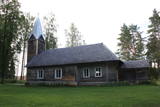 |
The Lode (Apši) Lutheran Church is between Lake Bānūži and Lake Ilze. It is a unique example of wooden architecture and dates back to 1780. The log church had a straw roof until the early 20th century, at which point a shingled roof was installed instead. |
|
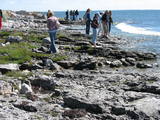 |
The national park was established to protect the 100 or so small islands that make up the archipelago of the local area. The largest island, the Vilsandi Island, is 6 km long and up to 2 km wide. You can rent a boat to get there, or, during appropriate conditions, you can walk across the sea and the small islands from the southern end of the Kuusnõmme peninsula.
|
|
 |
Autentiskā Zypliu muižas vidē izveidots restorāns. Kulinārais mantojums - Lietuvas muižniecības ēdieni. Ēdināšana, degustācija, izglītības programmas. |
|
 |
Rendā uz nelielās Abavas kreisā krasta pietekas Īvandes 200 m attālumā viens no otra izveidojušies divi ūdenskritumi jeb rumbas. Lielākais ir apmēram 2m, mazākais aptuveni 1,4 m augsts. Upītes krastos redzami nelieli dolomītu atsegumi.
|
|
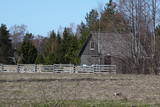 |
This village appears in historical documents from 1310. A census in 1582 and 1583 recorded eight farms in the village, while a 1731 census conducted by the Dundaga Estate found only three. In 1826, each farm had 16 or 17 people, with some 60 in total. A census in 1935 showed that all 49 Livonians in Saunags spoke the Lithuanian language, but only 11 of them spoke the language at home. There was a store that was owned by Kārlis Tilmanis, who also owned a factory where sprats were salted. Also born in Saunags was the seafaring captain Arvīds Ludeviks (1912-1996). In May 1945, he captained a tugboat, the Rota, in an attempt to bring Latvian refugees to Sweden. The ship was detained, and the captain was sent to Siberia. Another seafaring captain from Saunags was Visvaldis Feldmanis (1938-2017). |
|
 1 day
|
Dodieties ekskursijā, lai gūtu ieskatu lauku profesijā un dzīvesveidā, kā arī iegūtu jaunus iespaidus un labu atpūtu visai klasei. Ekskursijas laikā apmeklējiet ekopoligonu, kas ir unikāls piemērs ekoloģiski saderīgu darbības virzienu ieviešanai. Pēc tam apmeklējiet saimniecību, kurā iespējams aplūkot Latvijas tumšgalves aitas, uzzināt par to audzēšanas specifiku, dzīves paradumiem un aitkopības nozari Latvijā, kā arī iespējams aplūkot dažādus putnus - tītarus, zosis, pīles, vistas un pērļu vistas. Saimniecībā atrodas arī observatorija, kur var noklausīties lekciju par zvaigznēm, planētām un citām tēmām. Ekskursijas noslēgumā dodieties uz kokapstrādes darbnīcu, lai meistaru vadībā darbotos ar tradicionālajiem kokapstrādes instrumentiem un apgūtu senās spēles. |
|
 |
The café is in the centre of Lielvārde and offers a full feeding service, including breakfast, dinner, supper. Latvian cuisine: Cold soup, fresh cabbage soup, baked carp or catfish, steak haché, grey peas with bacon, pancakes. |
|
 |
The owners are in the process of renewing a more than a hundred-year-old wooden barn, where they plan to organize creative workshops for young people, with the participation of a blacksmith, carpenter and other craftsmen. The owner teaches how to plat a paling. There is a possibility to get to know farm animals – rabbits, chickens, ducks, goats, etc. The house of useful arts is going to be opened in May 2014 |
|
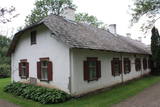 |
Between 1883 and 1891, the estate that was once owned by the Šadurskis family was rented by the father of the great poet Rainis, Krišjānis Pliekšāns. Rainis spent his youth at the estate, as reflected in the poet’s The Land of My Youth Days. Rainis translated Pushkin’s Boris Godunov while at the state. In honour of the poet and his contributions in the world of literature, an exhibition, “Rainis’ High School and University Years,” was opened at the estate in 1964. The restored cattle shed today offers a look at the work of potters in Latgale. |
|
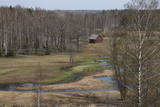 |
Bijušā piecstāvīgā metāla skatu torņa apkaimē plešas Lemmjegi upes palieņu pļavas. Netālu atrodas kādreizējā Oksas kroga (Oksa kõrts) vieta, kur saglabājies iespaidīgs manteļskurstenis. Apkaimes apskatei izveidota 0,8 km gara koka laipu taka. |
|
|
|
There’s hardly anything left of the zenith missile base which once stood here for the purpose of protecting the western boundaries of the USSR – even specialists would have a hard time finding the location.
|
|
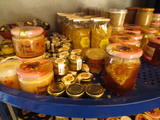 |
Old household where the owners are beekeepers. Upon request, provides an educational programme and visits for schools and events. |
|
 |
Lohjansaari island is in the middle of the largest fresh water lake in southern Finland. Due to its fertile soil and warm micro climate, the area hosts several arboreta. You can visit apple orchards or spend the night at Martinpiha destination and enjoy a truly rural experience with the friendly local people. |
|
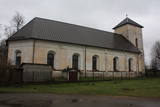 |
Atrodas Grobiņas centrā, Dzērves laukuma malā. Pirmā baznīca Grobiņa bija celta jau ap 1560. g., bet nākamā – 1596. g. celtā iznīcināta 1659. g. zviedru iebrukuma laikā. Pēc Kurzemes un Zemgales hercoga Jēkaba Ketlera iniciatīvas 1664. g. tiek uzcelts jauns dievnams, ko atjauno 1892. gadā. Tas dedzis 2. pasaules kara laikā, bet vēlāk atkal atjaunots. Šobrīd notiek altāra restaurācijas darbi. |
|
 |
Atrodas netālu no Biksēres muižas, blakus muižas parkam. Ozolkalna klēts saimniece Līga Kuba aušanas prasmes pirms pāris gadiem apguvusi Sarkaņu amatu skolā. Šeit radusies iecere par privātas aušanas darbnīcas izveidi, kas arī īstenota. Saimniece savas aušanas prasmes nodod jebkuram interesentam. Apmeklētāji var iegādāties šeit darinātos suvenīrus. |
|


