
| No | Name | Description |
|---|---|---|
 |
Remnants of the plank ways of a fishing port can be seen on the shoreline and
in the sea opposite Mazirbe. They recall the former fishing co-operative Zivs, which
was here in the 1930s.
|
|
 1 day
|
The Forest Trail leads down from the highest point of the Haanja Upland. The most important sight on this route is the Suur Munamägi Hill – 318 m above sea level. The highest point of the Baltics with its observation tower provides its visitors with a splendid 50 km range view of the Estonian nature. The 150 year-old western taiga spruce forests grow on the slopes of Suur-Munamägi. Further on the trail circles around the southern part of Lake Vaskna, and continues down small country roads surrounded by solitary homesteads and small clusters of farms. The route ends in a small village, Tsiistre, where the Linen Museum is located. The museum has a collection of folk linen. Flax is one of the oldest cultural plants in Estonia and a few decades ago, blue flax fields were a common sight in southern Estonia. |
|
 |
Small farm with a special lifestyle on Saaremaa that grows, manufactures, processes and sells medicinal plants and herbs. Guests can take a walk in the garden, pick the plants themselves and take part in training workshops. |
|
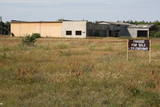 |
The job for the No. 15 Radio Technology Brigade at Saraiķi was to defend Soviet Latvia’s shoreline back in Soviet times. Today the facility is owned by the Defence Ministry, and the No. 17 Home Guard Battalion uses it for training purposes.
|
|
 1 day
|
One of the most beautiful sections of the Baltic Coastal Hiking Route in Matsalu National Park, which leads through the agricultural lands and coastal meadows located near Matsalu Bay, where thousands of migrating cranes and geese gather in autumn. There are excellent birdwatching sites with towers near Haeska village (coastal meadows, shallow coves, small islets, cattle pastures) and at Cape Puise (coastal meadows with pastures, shoals). The most panoramic views of the sea and strings of islands can be seen in the surroundings of Põgari-Sassi and Puise nina |
|
 |
This farm breeds sheep, rabbits, horses, African ostriches and other fowl, as well as shitake mushrooms. You can order and buy mushrooms, souvenirs made of ostrich feathers, and other farm products. |
|
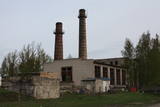 |
The boiler house of Karaosta has been used for decades to ensure heat for the city of Liepāja. Although it is part of the heating network, the facility is not guarded and has largely been abandoned.
|
|
|
|
The Eversmuiža Estate is in the centre of Cibla and is dominated by a 1680 mansion that was built in the style of Classicism and was rebuilt several times later. There is a home for servants, a gatehouse and ancillary buildings that are in poor shape. A stone wall surrounds the park of the estate. Since the 17th century and for nearly two centuries, the estate belonged to an aristocratic Polish family, after it was owned by various others. Today the mansion houses a boarding school and the Cibla Regional Research Museum, which offers tours. A cultural and historical trail runs along the banks of the Ilža River. |
|
 |
Piedāvājumā relaksācija pirtī - sildīšanās, skrubēšanās, enerģiskais pēriens, kā arī dažādas masāžas. |
|
 |
In the house that was renovated due to the initiative of the Craftsmen society of Beverina, it is possible to buy the products of both the district craftsmen and those from further territories, to visit creative workshops and events in order to learn the techniques of differnt handicrafts. The house is both a teaching centre and a marketplace, as well as the centre to popularise the cultural, folk and Latvian lifestyle of the Beverina district. |
|
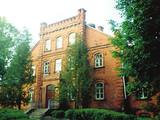 |
Rikavas Manor is the local architectural monument that belonged to Janovski family. Michael Riks
bought the building in the second half of the 18th century. The construction works of the manor house lasted
from 1870 till 1875. The redbrick building is an example of Neo Gothic style. Since 1926 there was established
a school. You should see the beautiful interior and wooden stairs as well as school’s workshop
|
|
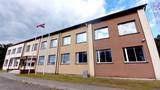 |
Located in Aizpute, within 200 metres of Exotic garden of Māris Linde and less than 1 km of Castle tavern, Hostelis R27 provides accommodation with a shared lounge and as well as free private parking for guests who drive. The property is situated 1.1 km from Art gallery Mētras Māja, 1.1 km from Aizpute Local History Museum and 1.1 km from Aizpute winery. The property is set 1.4 km from Aizpute Baptist Parish and less than 1 km from Livonian Order castle ruins. At the hostel, all rooms have a wardrobe. The shared bathroom is equipped with a shower and a hairdryer. At Hostelis R27 each room has bed linen and towels. Popular points of interest near the accommodation include Stone bridge, Manor Brewery and Aizpute old town. The nearest airport is Liepāja International Airport, 37 km from Hostelis R27. |
|
 |
The bistro is in the centre of Jelgava and offers fresh canapés, cakes, pierogi, cookies and other baked goods. It works with local producers of ingredients. Latvian cuisine: Bacon pierogi, potato pancakes, wheat-potato porridge with bacon sauce, whipped fool with milk. Grey peas with bacon during the season of the Winter Solstice. Special foods: The “Duke’s Sail” – oven-roasted pork with caramelised sauerkraut, roast vegetables, lingonberry sauce and horseradish. |
|
 |
Pupuchi ražotnē top kraukšķīga un veselīga uzkoda no cūku pupām - Pupuchi. |
|
 |
The café and guest house, located in the centre of Ventspils, is housed by a classical 19th century wooden building that used to belong to the Kupfer family and is listed as European Heritage. Latvian cuisine: farmer's breakfast, oat or semolina porridge, potato pancakes. |
|
 |
A shop located in Jelgava that offers organic, natural food products, healthy products for children, gluten-free products, and ecological cosmetics and cleaning products. All of the products are made by Latvian farmers and home producers, using natural ingredients. |
|
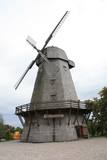 |
The windmill was built between 1867 and 1869 after a design first produced in the Netherlands. Its name is that of its first owner – Riba. The windmill is one of the best preserved architectural monuments of its type in Latvia, and it offers an educational exhibition, “The Path of the Grain.” It talks about the development of agriculture in Zemgale and about grain farming and the baking of bread. Guided tours are available. The windmill is part of the Rožmalas leisure complex, which features a hotel and a restaurant. |
|
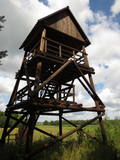 |
Atrodas Skuķu ezera dienvidrietumu krastā. Sasniedzams no Putnu salas, ejot cauri dzīvei savvaļā pielāgoto mājlopu aplokiem un taku. No torņa labi pārskatāma Dvietes paliene (ūdeņainos pavasaros pārplūst) un aizaugušais Skuķu ezers. Laba putnu vērošanas vieta. Putnu salas Atālu mājās – vietējais gids. |
|
 3 days
|
Ventspils ir viena no attīstītākajām Latvijas pilsētām ar izcilu infrastruktūru, restaurētu vecpilsētu un Livonijas Ordeņa pili, tīru un labi ierīkotu balto smilšu pludmali, promenādi un dažādām izklaides un atpūtas vietām. Pilsēta ir piemērota ģimenēm, un bērni visvairāk izbauda Zilā karoga pludmali ar dažādām šūpolēm, slidkalniņiem, kā arī Bērnu pilsētiņu ar aktivitāšu zonām dažādu vecumu bērniem. Īss izbrauciens ar Mazbānīti, kas ir interesanta atrakcija gan bērniem, gan pieaugušajiem. Ūdens priekus var baudīt gan iekštelpu, gan āra akvaparkos. Dodieties izbraucienos pa tuvējo apkārtni, lai izbaudītu ainavisko jūras piekrasti, redzētu tradicionālos zvejnieku ciematus, kur iespējams iegādāties kūpinātas zivis tieši no zvejniekiem. Slīteres nacionālais parks ar skaistu skatu, kas paveres no Slīteres bākas, apburošā Kuldīga ar tās koka arhitektūru. |
|
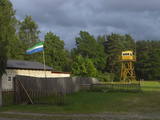 |
This coast guard facility was housed in a building that used to be a maritime school. In the post-Soviet era, accommodations were offered at the building. The coast guard tower is one of the best-preserved objects of its kind along the Latvian shoreline.
|
|


