
| No | Name | Description |
|---|---|---|
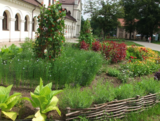 |
The only school-based botanical garden in Lithuania was planted in 1989 at the Traupis school. More than 8,000 types of plants grow in the garden, and all of them have been collected by Sigutis Obelevičius. |
|
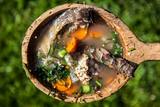 |
You can learn how to cook fish soup here, and the recipes are based on hundreds of years of fishermen's traditions in the Upper Aukštaitija region. You'll learn all about local dining traditions, local lifestyles and traditions since the 13th century. You can go fishing, as well as mushroom and berry picking. |
|
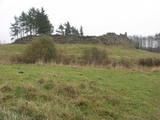 |
This area was established to protect the cultural and lake-related landscapes of the central section of the Vidzeme highlands, with Lake Alauksts, Lake Inesis, Lake Tauns, etc., with their species and biotopes. There are many important cultural objects in this territory – the Vecpiebalga Lutheran Church, the Vecpiebalga castle ruins, the Vecpiebalga baronial estate, as well as locations where several distinguished figures from the Latvian world of culture have lived and worked. Memorial museums have been established to commemorate them. The lakes are great for fishing, and cross-country competitions are traditionally held in the area of Lake Alauksts during the winter. The Sproģi nature reserve has been established on the islands and peninsula of Lake Inesis.
|
|
 |
Mežvidi (SIA Latgale Vegetable Logistics) began operations in 2007 and sells tasty and healthy red tomatoes. The owners plan to grow and deliver tomatoes during the winter, when people have the greatest need for healthy and vitamin-rich vegetables. The farm helps to facilitate co-operation among people who farm vegetables, and it informs the public about how tomatoes are grown. |
|
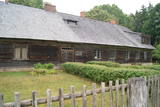 |
The Kubalu school was opened in 1843, and for 28 years it was the only school for the children of peasants at the Dundaga Estate. This is the oldest log schoolhouse in
|
|
 2 days
|
This route offers most unusual views. Seda is the only town in Latvia with Soviet-era planning from the middle of the last century, featuring a central square and streets stretching from it in a star pattern. The architectural style of apartment and public buildings is rather exotic. The Seda Swamp yielded peat moss during the first period of Latvia’s independence and is one of the largest industrial and environmental territories of its kind in Latvia and the Baltic States. Former peat fields have partly become flooded and are overgrown with reeds, thus creating an outstanding environment for nesting water birds and migrating birds which rest at the swamp. Peat is still being extracted, and perhaps you will be lucky enough to spot the “little peat moss train.” Route information from Latvijas Lauku forums |
|
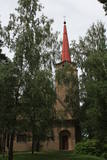 |
The Viesīte Lutheran Church is in Kaļķu Street in the western part of Viesīte, on the so-called Vales hillock which was left behind after the Ice Age. An interesting fact is that the defenders of Viesīte defeated the Bermont army here in 1919. The cornerstone for the church was laid on August 15, 1937 (a commemoration day for military heroes). The building was consecrated in 1939 and restored in 1994. Financing was provided for the construction of the church by Professor Pauls Stradiņš. The altar painting is by Ligita Caune. To the East of the church, at the foot of the Vales hillock is a monument to Stradiņš. |
|
 |
Atrodas Cenas tīreļa dabas takas sākumā. No tā labi pārskatāma kūdrā izstrādātā Cenas tīreļa neliela daļa. |
|
 |
Zemnieku saimniecība “Janavas” var lepoties ar bioloģisko produktu ražotni, kur top jau labi zināmais krēms "Beāte", daudz dažādi ziedūdeņi, zāļu tējas un citi eko produkti. Saimniecības teritoriju lielākoties klāj bioloģiskās pļavas. Agrākā saimniecības ēka ir iekārtota tūristu grupu uzņemšanai, kur iespējams uzzināt par bioloģisko augu ietekmi uz cilvēka veselību un pie reizes arī iegādāties produkciju. Tiek piedāvātas pastaigas pa Daugavas senleju augu pasaulē, atpūtinot prātu un ķermeni no ikdienas un uzzinot par ārstniecības augu nozīmi cilvēka organismā. Glempinga teltī ir divguļamā gulta un dīvāns, ledusskapis, Nespresso kafijas aparāts, tējkanna, šķīvji, krūzes, glāzes un visi ēšanas piederumi, spēles bērniem, kā arī sildītājs vēsākiem vakariem. Ārpus telsts pieejama āra duša, Toi Toi mazmājiņa ar ūdeni un dezinfekcijas līdzekļiem, latvju zīmēm rotāta ugunskura vieta ar ērtiem krēsliem vakara baudīšanai, galds ar krēsliem ēšanai. Šis piedāvājums ir tapis sadarbībā ar sociālo uzņēmumu "Kultūras tūrisms". |
|
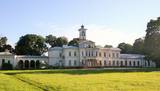 |
This is one of the most expressive estates built in the style of Romanticism. Dating back to the 19th century, it is on a peninsula in Astravo, which can easily be reached from Biržu along the longest wooden bridge in Lithuania, crossing Lake Širvenos. Covering 18 ha, the mixed-plan park was installed from 1851 until 1862. Local fir trees, linden trees and pine trees grow in the park. |
|
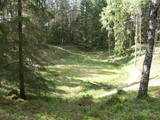 |
There are three craters here, and the biggest one, known locally as Põrguhaud, or Grave of Hell, has a diameter of 80 m and a depth of up to 12 m. There are barriers around the crater that are several metres high. The other two craters are hard to spot. The craters around 6,000 years old. No scraps of the supposed meteorite have been found, however, and so the origins of the craters cannot be confirmed with certainty.
|
|
 |
Ģimenes uzņēmums Svētes pagastā, netālu no Jelgavas. Kopš 2019.gada šeit top dažādi Latvijas priežu produkti, kas vērtīgi kā imunitātei, tā arī veselībai. Mītavas Čiekurs produktu galvenā sastāvdaļa ir Parastā priede (Pinus sylvestris). Tā bagāta ar ēterisko eļļu, sveķiem, miecvielām, C vitamīnu u.c. vērtīgām vielām. Tiek gatavotas priežu čiekuru karameles, čiekuru sīrupa zefīri, želejkončas, priežu čiekuru zapte, karamelizēti čiekuri sīrupā, šokolādē, kā arī priežu pumpuru sīrups un tēja. Ekskursija norisinās 90-120 minūtes, kuru laikā atraktīvais saimnieks Reinis pastāstīs par uzņēmuma vēsturi, dalīsies receptēs, pagatavos katram apmeklētājam gardu dāvanu (čiekuru marmelādi), kā arī protams- varēs degustēst dažādos priežu produktus. Papildu pirms vai pēc ekskursijas iespējams ieturēties ar uz ugunskura gatavotu pupiņu zupu ar lauku kūpinājumiem, soļanku vai biešu zupu. Tūristus uzņem nupat uzbūvētajā ekskursiju telpā- Čiekurnīcā. Uzņemt var līdz pat 60 interesentiem reizē. |
|
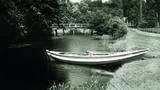 |
The River Ķīšupe (length – 31 km) begins its journey in the marshlands of Lēdurga Parish. As the river reaches the seashore, its bed and the location of its mouth often changes. One of the tributaries of the Ķīšupe carries a rather interesting name – Pupaļurga. The name of the River Ķīšupe probably comes from the name of a man and his house. In the 17th century a man named Ķīsis (in English: ruffe) used to live by the river. |
|
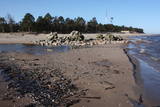 |
This is the most distinct cape in Latvia, with the waves of the Baltic Sea and the Bay of Rīga coming together. During storms, the waves can be as much as 7 metres high. The cape is an underwater shoal that stretches to the Kolka lighthouse, which is 5 km away. It is on an artificial island that was created between 1872 and 1875. When the island became stable, the 21 m lighthouse was installed in 1883. Manufactured in St Petersburg, the lighthouse became operational on July 1, 1884. Today the island contains the building for the supervisor of the lighthouse, several ancillary buildings and an impressive fog bell. A monument to men lost at sea that was sculpted by Ģirts Burvis is on Cape Kolka, as is a wrecked wooden ship, presumably from the 19th century. There is also a rock that is known as the “heart of Europe,” because the Latvian folklorist Krišjānis Valdemārs believed that the cape was the centre of Europe. There are stands with information about Valdemārs, and the Latvian Border Guard uses facilities that were once in the hands of the Soviet Coast Guard. Cape Kolka is an important place for migrating birds during the season, and it has a visitor centre and a summer café. There are unusual pines on the beach that were washed onto it during storms. Under the water around the cape is the largest ship graveyard in the Baltic Sea. It is a dangerous place for swimmers because of changes in the flow of water and shifting sands. At the end of the cape are the ruins of an old lighthouse that was built in the 18th century and lost during the latter half of the 19th century. |
|
 |
Ķesteri – the home where the Liv cultural activist and organist Kārlis Stalte
(1870-1947) was born.
|
|
 7 days
|
During this tour you experience the different ways of using milk either for edible products or body treatments. From Riga, through historic sea and spa resort Jurmala, the route goes to goats farms where you taste cheeses as well as exclusive ice-cream from goats milk. Then visit Dundaga Castle and try local diary products there. At Roja experience local traditions having fishermen meal and attractions Then the route goes along unspoiled seaside beaches of Cape Kolka to well maintained town of Ventspils from where it turns inland to the picturesque Kuldiga with well preserved wooden architecture. Further on enjoy beautiful Milk Manor where you could experience lavish spa treatments based on milk. There is also Milk Museum located where you can follow the milk route from a cow to the tables, also possible to try some old fashioned practical jobs like butter making. Further on the tour turns sweet. Visit candy factory in Saldus where traditional hand-made toffees are made. Then on menu is ice-cream at Druva. Next - sightseeing at Jelgava which used to be the main seat of the Duke of Courland. Visit cheese producer at Eleja and before returning to Riga visit splendid Rundale Palace which is regarded as a beautiful pearl of the Baltics. |
|
 |
Rokdarbniece Vineta Meistere piedāvā apskatīt, pasūtīt un nopirkt gleznas, dienasgrāmatas un recepšu grāmatas, kas izšūtas krustdūriena tehnikā. |
|
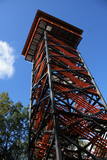 |
Labi redzams no Kornetu centra. Līdz tornim var nokļūt pa taku, kas ved pāri pļavai uz uzlokas pa stāvā Dzērves kalna nogāzi. No torņa paveras viens no skaistākajiem Vidzemes un Latvijas skatiem. Redzams Dēliņkalns, blakus esošie Dzērves un Ievas ezeri, Hānjas augstiene un Lielais Munameģis (acīgākiem vērotājiem). |
|
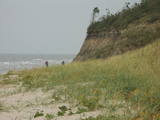 |
The Ziemupe nature restricted territory is on the shore of the Baltic Sea, and it protects a wide variety of coastline biotopes. The distinguished grey dunes are found here, as are various kinds of forest biotopes, some of them quite rare in Latvia. There are many protected plants and animals in the area, too. The Akmensrags lighthouse and several tourist accommodations, like camping Laikas who "Sējējs" award, are in the territory. On the sea shore not far from center of Ziemupe there is well-appointed parking area with information stands. |
|
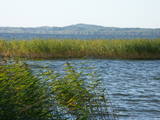 |
The eastern, southern and western shores of Lake Rāzna have roads which offer many lovely and unusual views of Latvia’s second largest lake and its surrounding landscape. Particularly lovely is the road between Foļvarkova and Vilkakrogs, which is part of the Rēzekne-Ezernieki road.
|
|


