
| No | Name | Description |
|---|---|---|
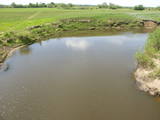 |
The Dviete Wetlands Nature Park contains a unique natural territory – the ancient Dviete River valley with the Lake Skuķi and the Lake Dviete and the surrounding wetland meadows. During flooding season, these wetlands store up waters from the Daugava River. They absorb a lot of floodwater at first and then slowly return it, thus reducing the level of floods in the Daugava River valley. This process is the reason for the unique ecosystem which exists in this area. It is an important location for plants and birds both during migration and nesting season. The river valley is important for birds during migration and nesting. In 2006, wild cows were released into the meadows. There is also work to improve the tourist infrastructure in the area. |
|
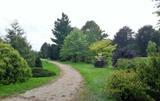 |
Work on this arboretum began in 1958 at a local forest research station that is near the village of Vaišvidava. The arboretum collects and exhibits various local and imported plants for scholarly, educational and decorative purposes. The arboretum covers some 50 ha of land, with more than 800 types of plants. Some parts of the arboretum have rare and protected trees and bushes, and these can only be visited if you contact the arboretum in advance. |
|
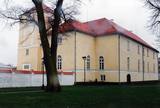 |
The Castle of the Livonian Order in Ventspils was first listed in documents in the late 13th century, and despite damaging wars, it has maintained its essence as a castle to this very day and only with minimal changes. The castle is also known as the oldest Medieval fortress in Latvia. Today it is home to a modern museum. |
|
 |
This is an institution that offers leisure activities for people of all ages. Creative workshops and various lectures are focused on families to facilitate creativity. There are kites that allow children to release their dreams into the sky. |
|
 |
The Lapmežciems People’s Centre was
built in 1957 and is home to the local
administrative district’s council at this time.
|
|
 |
The Rožlejas farm is in the Džūkste Parish of the Tukums Administrative District, where the Eastern Courlandian highlands interact with the Heath lowlands. The parents of the current owner, Jānis Ukše, began work there in 1989, establishing a natural farm to grow sugar beets and then also wheat. Thanks to thoughtful farming, Rožlejas has, over the past quarter-century, turned into one of the largest grain farms in Western Latvia. The owners have taken active part in EU projects to purchase modern equipment and to build hangars for the storage of grain and equipment. The farm specialises in winter barley and winter wheat, using ~1,200 ha of land for that purpose. |
|
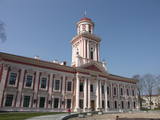 |
The late Baroque and early Classicism building was commissioned by Duke Peter Byron of Courland and Zemgale, and it was built between 1773 and 1776 on the basis of a design by a Danish architect. It was the castle of Duchess Anna. The first university in Latvia, Academia Petrina was established here in 1775 and named after Duke Peter. The first observatory was installed at the academy in 1772, and a high school was in the building during the age of the Russian Empire. Among graduates are distinguished Latvians such as Krišjānis Barons, Jānis Alunāns and Jānis Čakste, as well as the Lithuanian Antanas Smetona. The Jelgava Museum of History and Art took over the building in 1952, and in 1975 it was named after the Old Master Ģederts Eliass (1887-1975). The exhibition speaks to the history of the city and surrounding area during and after the period of the Duchy of Courland and Zemgale. Outside the impressive building are four cannons from the period of the duchy, as well as monument to Eliass that was designed in 1987 by the sculptor Jānis Zariņš. Another monument, “Lāčplēsis and the Black Knight,” was designed by the sculptor Kārlis Jansons and commemorates the liberators of Jelgava. |
|
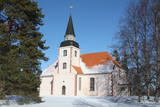 |
The church has a non-traditional design and layout: the altar is in the middle but the pulpit- above the altar. The church has also an original bell tower with a bell casted in 1634. The present wooden interior was created by the students of Riga Crafts High School. Next to the church there are ruins of the old church and the rectory where at the end of the 18th century as a tutor worked Garlieb Merkel who in Liepupe observed events used in his famous book "Latvians". |
|
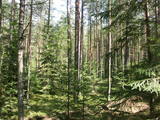 |
Ap 25 km gara un līdz 1,5 m plata vaļņveida reljefa forma Adzeles pacēluma dienvidu malā, kas apaugusi ar skujkoku mežu. Latvijā reti biotopi un nozīmīga daudzu aizsargājamu augu un dzīvnieku sugu dzīves vieta. Numerenes valni var ļoti labi "izjust", braucot pa Kārsavas - Tilžas ceļu. Dabas parkā atrodas slēpošanas kalns "Nūmerene".
|
|
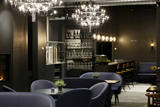 |
The “Zoltners” restaurant offers dainty dishes from fresh seasonal products. The key philosophy of the menu is staying natural and unsophisticated. Endijs Vīnerts, the restaurant chef, has a special approach to create the combinations of tastes that are characteristic to North Europe and to discover new nuances of the tastes of local products. |
|
 3 days
|
No Rīgas dodieties gar Daugavas labo krastu un apciemojiet Trušu Karalisti, kurā trušu mājiņas ir veidotas kā mazas muižas un pilis. Pēc tam dodieties uz Skrīveriem nogaršot mājas saldējumu un apmeklējiet Kokneses pilsdrupas. Nākamajā dienā apmeklējiet privātu mini-zoo ar dažādiem eksotiskajiem dzīvniekiem, pēc tam dodieties uz Raunas cepli, lai redzētu, kā top dažādi māla priekšmeti no sākuma līdz beigām. Vērts apskatīt Cēsis un tās viduslaiku pili. Izstaigājiet Līgatnes dabas takas, kur iespējams redzēt vairākus vietējos savvaļas dzīvniekus. Siguldā bērniem patiks piedzīvojumu parks. Siguldā atrodas arī divas viduslaiku pilis. Pirms atgriešanās Rīgā, apciemojiet zemnieku saimniecību, lai apskatītu kazas, ponijus u.c. dzīvniekus, kā arī nogaršotu kazas piena piena produktus. |
|
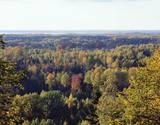 |
This is the highest point in the Latgale highlands (289 metres above sea level), opening up a narrow but lovely view of Lake Rāzna and the massive forests of the highlands. You really should visit this hill when the sun is setting beautifully!
|
|
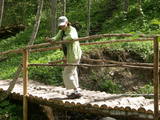 |
The Akmeņupīte river starts in the highlands and ends at the Daugava, and it is a rapid river only during the spring or after lots of rain. Otherwise it is a shallow little river with a rocky bottom. On the shores of the river is a nice path with several places to relax or to build a campfire (firewood is available). Water from the local streams is potable.
|
|
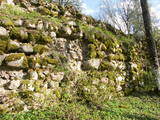 |
The Volkenberga Castle was built in the 13th century by the Livonian Order, and it was practically impregnable, as it was on top of Mākoņkalns hill. These were among the first fortifications in Latgale, and only fragments of the castle remain today. Architect Pēteris Blūms has said that this was a special type of fortification. Legends say that after the lord and lady of the castle died, the property was divided up among their three daughters – Roze, Lūcija and Marija. Each sister built a new castle on the land which she inherited – Roze built Rēzekne, Lūcija built Ludza, and Marija built Viļaka. A memorial plaque at the foot of Mākoņkalns hill recalls the visit which pre-war Latvian President Kārlis Ulmanis paid to Latgale in 1938. |
|
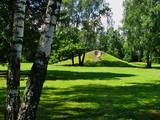 |
The monument dedicated to the Staburags cliff was installed in 2003. Designed by the sculptress Solveiga Vasiļeva, the monument is known as “The Ear of God,” and it is installed in the place where the reservoir of the Pļaviņas hydroelectric power plant flooded one of Latvia’s most interesting geological monuments. Staburags relates to many legends and stories told by rafters. It stood 18.5 m high and was a sandstone cliff on the left bank of the Daugava River, dating back to the last Ice Age. The Liepavots stream that trickled out of the cliff is now also underwater. Staburags and the flooded Daugava quarry were once among the most popular tourist destinations in Latvia. |
|
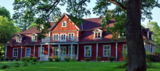 |
Muižas ēka tikusi restaurēta, taču tā celta 1732. gadā. Muižas kompleksu veido – kungu māja, bijušās skolas ēka, pārvaldnieka māja, klēts, saimniecības ēka, kā arī tējas namiņš, kas atrodas senajā ozolu parkā, no kura takas tālāk aizvijas uz Meža parku. Ungurmuižas iekštelpās ir grezni zīmējumi (grenadieri, ziedu motīvi, zīmētas tapetes, drapēri, ainas no barona karagājieniem un ceļojumiem) kuru autors ir Limbažu gleznotājs Georgs Dītrihs Hinšs. Ungurmuižā par seno auru rūpējas katrs gleznojums, zīmējums un katrs nostūris. |
|
 |
"Pūpoli" is located on the coast of the Gulf of Riga, 50 metres from the sea. Visitors have the opportunity to observe the preparation and smoking of fluke, vimba, bream, perch and other fish, as well as to purchase and taste them. |
|
 |
Piedāvā ļoti gardus Lietuviešu tradicionālos ēdienus. Var pieņemt līdz 80 personām. Pieņem bankas kartes, pieejama autostāvvieta. |
|
 |
For the groups of gourmandes the owner offers to participiate in different culinary workshops (2-3 hours): „The sweet cake workshop”, „The untraditional seasonal vegetable foods workshop”, „Pizza workshop”, Preparing hemp butter”, etc. Those who don’t wish to cook themselves are offered a lazy countryside dinner in combination with watching the farm, the grapes garden and talks about countryside life. |
|
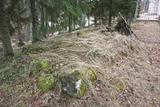 |
A place fraught with many legends and ghost stories about the old burial mound at the church of Mazirbe, an ancient tomb covered by stones– the only known grave of warewolves in Latvia. |
|


