
| No | Name | Description |
|---|---|---|
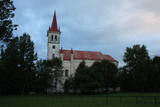 |
Meklējama Nīcgalē, starp Rīgas – Daugavpils šoseju (A 6) un Daugavas krastu. Baznīcu cēla (neogotikas stils) pēc muižnieka Henriha Plātera - Zīberga iniciatīvas 1862. - 1863. g., veltot to Jaunavas Marijas dzimšanai. Kā jau daudzas citas baznīcas, arī šī ēka un tās interjera priekšmeti cieta 1. pasaules kara laika notikumos. To atjaunoja 1922. gadā. Baznīcas iekārta ir saglabājusies no 19. gs. 60. gadiem, bet, centrālā altāra augšdaļu pārbūvēja 1957. gadā. Dažus gadus vēlāk - 1961. g. uzstādīja ērģeles. |
|
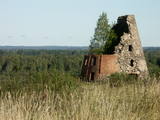 |
The area known as the territory of high hillocks has several heights – Lakta Hill (250 metres above sea level), Egļu Hill (268 metres above sea level), and Bākūži Hill (272 metres above sea level). They are connected by an earthen road – it’s worth hiking the trail to find the best viewing areas. A very fine view of the backs of hillocks in the Vidzeme highlands can be seen from the northern side of Lakta Hill.
|
|
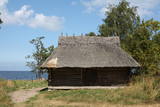 |
Altja village in Lahemaa National Park was first recorded in writing in 1465. It is a typical seaside village with houses along one street. Traditional farmsteads of Uustalu and Toomarahva from the late 19th C are open to visitors. Renovated fishnet sheds are located on Altja Cape. The village has a swing and a tavern (Altja Kõrts) providing national food |
|
 |
Viena no pirmajām bioloģiskajām saimniecībām valstī. Pamatnozare - dārzeņkopība. 33 ha platībā tiek audzētas sojas pupiņas, cietes un pārtikas kartupeļi, burkāni, galda bietes un citi dārzeņi, kā arī griķi un sinepes. Uzsākta eļļas auga Idra audzēšana. Saimniecībā pamazām pāriet uz pākšaugu audzēšanu, izmantojot moderno tehniku. Iespēja iesaistīties visdažādākajos lauku darbos: sulu spiešanā, pupiņu šķirošanā un našķu gatavošanā. Iespēja apmīļot tādus mājdzīvniekus kā trušus, kazas u.c. Bioloģisko produktu iegāde. Vizināšanās ar laivu un makšķerēšana piemājas dīķī vai ezerā. Nakšņošanai viesiem tiek piedāvāta vieta teltīm pie Adulienas ezera. Iespējama nakšņošana svaigi pļautā sienā siena šķūnī vai siena gubā. |
|
 |
Maizes un konditorejas izstrādājumu ceptuve “Re:Maize” gatavo kvalitatīvus produktus, kas ir ne tikai vizuāli pievilcīgi un garšīgi, bet arī ilgtspējīgi un organismam veselīgi. Nosaukums “Re:Maize” ietver sevī ilgtspējības filozofijas principus un to var definēt kā renovāciju kulinārijā. Tas saskan ar cirkulāras ekonomikas principu definīciju - “Raw to recycling”, kas šajā gadījumā pamatā attiecināms uz maizes un mīklas izstrādājumu ražošanu un patēriņu. Latviskojot šo filozofiju, izvēlēts sauklis, kuru izmanto uzrakstā uz izkārtnes un citos materiālos – «Rūpēs par ēdienu», kas pēc saimnieces domām pilnībā atbilst uzņēmuma principiem un ir saprotams arī viesiem. Re:Maize piedāvā katru dienu svaigi ceptu maizi un konditorejas izstrādājumus līdzņemšanai vai baudīšanai uz vietas, kafiju, vīnus un Straupes piena produkciju. Tiek piedāvātas arī meistarklases - praktiskas klientu apmācības par Zero waste principiem. |
|
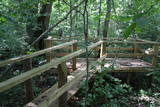 |
Informatīvi bagāta un interesanta dabas izziņas taka, kas ved pa Gaujas tuvumā esošajiem krasta biotopiem – boreāliem mežiem, nogāžu mežiem, gar vecupi, jauktiem lapu koku un platlapju mežiem, kā arī parkveida ozolu pļavām. Ziemeļgaujas aizsargājamo ainavu apvidū esošie meži ir vieni no sugām daudzveidīgākajiem Latvijā. Taka ir marķēta, izveidotas skatu platformas, izvietoti informatīvie stendi. Kopējais takas garums: 2,2 km |
|
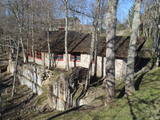 |
The saloon is alongside the Liepāja-Ventspils road (P111), alongside the restored wooden bridge across the Rīva River. The interior design is based on the sea. During the autumn, the large windows open up a view of salmon leaping across the dam of the windmill. Latvian cuisine: Chilled soup, baked potatoes in their jacket, baked filet of flounder and cod, baked herring in a sea buckthorn marinade, pork chop with mushrooms, sausages with marinated onions, grey peas with bacon, mashed potatoes, stacked rye bread, oatmeal with whipped cream. |
|
 2 days
|
Latvia is the land of apples, so producing cider here is only natural! The ancient traditions of apple growing in our country, as well as the variety of high-quality apple cultivars, are key advantages of Latvia's cider culture. In our climate zone, it is challenging to grow good grapes for wine production, but the local conditions are particularly suitable for making apple cider. This is a natural consequence that local cider producers are increasingly mastering with excellence. The Cider Route will take you to various cideries in Latvia, as well as to restaurants and pubs that serve it. The Cider Route allows you to understand the specifics of Latvian cider, introducing you to the culinary traditions and cultural heritage of different regions. You will have the opportunity to meet the cider makers themselves, who run small farms, tend to the orchards, share about their work, and even let you participate in it. |
|
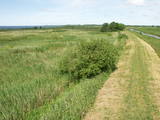 |
The Nemuna River divides up into two large streams at its estuary at Kuršių Marios, and this has established the Rusnė Island. This is a unique environmental territory with wetlands, streams, ancient rivers, lagoon lakes and flood plains which are important places for birds to nest and rest during migration season. Vast tracts of this territory are flooded each spring. The park includes the territory to the N and W of Rusne (lagoons, swamps, fishing ponds, Kuršių Marios).
|
|
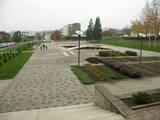 |
Madona is probably the only town in Latvia, in whose area a lake settlement was located around the 9th century. Its residues are preserved in the northern part of Salas Lake (Baznicezers) under water. Until the end of 19th century, a small estate with the same name (Madona) was located in place, where present town is located, Latvians called the place Bizi. In 1898 construction of narrow gauge railway between Stukmani (Plavinas) and Valka was started. The development of railway helped the development of the town. Today Madona is well maintained Vidzeme town with its own charm typical for small town. Interestingly that it can also be considered as one of the most highly placed towns in relief of Latvia. |
|
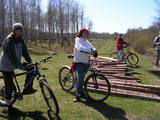 |
The nature trail was built in 2003 supported by the WWF, the Latvian Environment Protection Fund, the International volunteering organization supporting conservation initiatives in the United Kingdom (BTCV) involving volunteers from Nīca and Rucava municipal parishes. The trail exposes the surrounding landscapes and related biotopes – dunes, forest, grasslands and bog, as well as bird and animal species found there. On the trail, there is a bird watching tower and two birdwatcher hides. You can see the rivers Paurupe and Līgupe, beaver activity areas, grasslands, black alder forest, spruce forest, floodland, wild horses, aurochs, the Šķilu lime tree, the Holy Grove, the Ezerskolas sacrificial stone, the Pape ornithological field station, the Papes polder grasslands and the Pape lighthouse. There are resting places en route. The trail leads through the historical Ķoņu village with the traditional coastal fishing village architecture of buildings and yards. The trail is 9 km (5 km one way by a gravel road, returning 4km along the coastline). The trail is in the Pape nature park
|
|
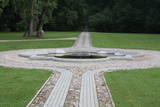 |
A small settlement on the banks of the River Daugava, between Aizkraukle and Jaunjelgava. Skriveru region is associated with the life and work of popular Latvian author A. Upitis. Near Skriveri lies the oldest arboretum in Latvia. Its establishment in 1891 was started by the owner of Skriveru manor Maximilian von Siverss. In the park there are about 400 plant species, varieties and forms. One of the finest views of the Daugava will open from the so-called Krauklu Mountains – steep upper part of the right riverbank, which is an ancient hill fort. |
|
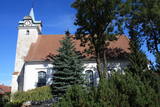 |
The church was built between 1640 and 1642 as a mark of respect for the king of Poland. It was commissioned by Duke Jacob Kettler and has a confessional bench with allegoric paintings (1691), as well as three altars decorated with Rococo carvings. There is a 16th century sculpture of the Madonna and her child. Contact the church for a tour. |
|
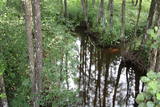 |
This territory is on both sides of the central section of the Raķupe River. On the banks of the river, there are many different meadow habitats, as well as massive oaks growing in the places of former farmsteads which are uninhabited by now. This is an important place for rare plants and animals. There is no tourism infrastructure for visitors in the area. Visitors who are especially interested in the environmental cognition are advised to visit the territory in attendance of experienced local guide. Raķupe is not usable for water tourism because of tilts of trees and beaver dams. |
|
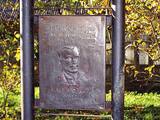 |
The Museum of Dekšāri was opened in 1996. Exposition includes
materials about the history of the rural municipality, school and collective
farms, biography of prominent people who contributed to the area, also the collection of Latgalian
literature.
Working hours: Mon– Fri : 10.00 – 14.00, Sat., Sunday : closed |
|
 |
The Gardening Institute is the leading scholarly centre for fruit and vegetable research in Latvia. The institute specialises in selection and introduction of plant cultivars that are suitable for cultivation under the agro-climatic conditions in the Baltic countries, have high nutrition value and are rich in fibre content. |
|
 |
The saloon is on the Rīga-Liepāja highway (A9) at the 72nd km road marker. Live music evenings are organised. Latvian cuisine: Vidzeme salad, herring with cottage cheese and soured cream, grey peas with bacon, sautéed cabbage with sausages, cabbage rolls, potato pancakes, bread soup, stacked rye bread. Special foods: “4 vēji” – pork with sauerkraut and potatoes on a hot pan. |
|
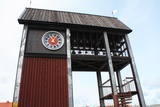 |
Tāpat kā Ventspils Rātslaukums, arī Tirgus laukums ir uzskatāms par pilsētas vēsturiskā centra nozīmīgu daļu, kura apkaimē ir saglabājies senais ielu plānojums. Kādreizējā Rātsnama vietā tagad slejas kariljonu zvana pulksteņu tornis. Tas zvana katru stundu, bet 12:33:44 un 00:33:44 ar īpašu melodiju ieskandina astronomisko Ventspils laiku. Tirgus laukumā ir aka, kas saulainā laikā darbojas arī kā Saules pulkstenis. Monētu automātā var izkalt īpašu piemiņas monētu. |
|
 |
No Vecās pasta ēkas ir redzama Sv. Jāņa kolonna. Domājams, ka tā celta 17. gs. un sākotnēji kalpoja kā blakus esošā tirgus laukuma „ziņojumu vieta”. Vēlāk kolonnu pārdēvēja Sv. Jāņa - zvejnieku aizbildņa vārdā, jo daudziem Traķu apkārtnes iedzīvotājiem zveja bija ikdienas dzīves sastāvdaļa. |
|
 |
This restricted area protects the highest hillock in the Alūksne highlands – Dēliņkalns Hill – as well as the biotopes on its hillsides. The local landscape is also protected. Downhill ski trails are on the mountain, and its southern side offers lovely views.
|
|


