
| No | Name | Description |
|---|---|---|
 |
Farm "Obelisk" is an industrial hemp farm located in Latgale region, Vilani county. This farm focuses on growing hemp as well as producing various hemp products like oil, seeds, salt, spices and more. There is possibility to learn about hemp and it’s many applications while taking a tour around the farm, joining a workshop or a course, having a group team building event or experience the first and only hemp escape room in Latvia. |
|
 3 days
|
This three-day tour offers a variety of culinary experiences. A bus tour is combined with cycling on Kihnu Island to visit local farms and production facilities making unique foods from local ingredients. You will taste cider, fish, herbal teas, beer, dairy products, and pastries. You will visit traditional Estonian and Russian households to enjoy real home-made meals and experience local culinary heritage. |
|
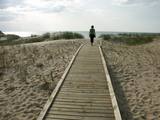 |
The trail tells about the protected nature area which is found in Riga city and has been established to protect the seashore habitats (forests, meadows, reeds, dunes) and the birds, populating the daugavgrīva meadows. There is a bird watching tower with facilities for people with special needs.
|
|
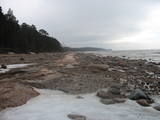 |
This is an important territory to protect the little gull during spring migration. It is opposite the Salacgrīva, Limbaži, Saulkrasti and Carnikava administrative districts, with a total area of 58,600 hectares.
|
|
 |
Go horseback or wagon riding all year long, find contacts with goats, sheep, chickens, turkeys, geese, and ducks, and taste smoked goat cheese. The owner also produces Christmas and other decorations. |
|
 |
The town of Subate was first listed in documents in 1570, when Duke Gotthard Kettler of the Duchy of Courland sold the Subāte marketplace to Count G. Plater-Sieberg. When the Plater-Sieberg dynasty converted to Catholicism in the mid-17th century, Lutherans in Subate protested by moving to the eastern bank of Lake Subate. That was the property of the Prode Estate (only ruins remain at this time), which was owned by the Osten-Sacken dynasty. In 1685, the Osten-Sackens built a Lutheran church for the “refugees,” and Jaunsubate was established around it. Both parts of the town were merged again in 1894. During Latvia’s liberation battles in 1919, Subate was liberated by Lithuanians, at which time the town was divided up between Latvia and Lithuania (though the border between the two countries was set at the previous line in 1921). The historical centre of Subate was established between the 16th and the 19th century, and it includes four churches for various congregations and low wooden buildings which stretch along narrow and curvy streets. The town is on the shores of a sub-glacial depression with Great Lake Subate and Lesser Lake Subate therein. This provides the town with unusual landscapes for Latvia. |
|
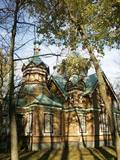 |
Located at 1 Katedrāles Street. The oldest church in Ķemeri was built in 1893 in the style of the wooden churches of the Northern Russia. (Architect V. Lunskis). Near the church, there are buried 97 Russian soldiers killed in World War I for whom in 1925, a monument was unveiled-a black marble cross. Not far from the church you can find the Brethren's Cemetery and a monument to the Soviet soldiers who died from the wounds in World War II and after the war. This is the oldest church in Ķemeri. According to legends, it is built without a single nail. You can see the church during the worship but the visitors must be appropriately dressed! During the rest of the time, the building can be viewed from the outside. |
|
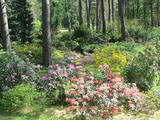 |
This arboretum was established in 1996, when dendrologists Raimonds Cinovskis and Ināra Bondare joined with the local government in Rucava in experimenting with plants on the Rucava castle hill. The first plants were planted in 1998, and ever since then the collection has been expanded in the town centre and outside the Rucava Elementary School. Each year new and exotic plants are brought in from all around the world. A traditional garden festival is held each year in May, when rhododendrons and magnolias are in full bloom. |
|
|
|
Atrodas Inciema centrā. Piedāvā maltīti visām ēdienreizēm. Lielas porcijas, garšīgs ēdiens. Iecienīta tuvākas un plašākas apkaimes maltītes ieturēšanas vieta. Klāj galdus. |
|
 |
This is a new café in Naujene, which is part of the “Curves of Daugava” nature park. |
|
 |
This saloon is in a lovely place – the ancient Abava River valley between Kandava and Sabile. It is housed in an historical building with among the largest chimneys in the Baltic States. A camp for water tourists is alongside the saloon. Latvian cuisine: Chilled beet soup, dumpling soup, sorrel soup, sauerkraut soup, chicken livers, homemade steak haché, dried pork ribs, roast pork, grilled pork, potato pancakes with cream, crepes, herbal teas. Special foods: Cabbage stuffed with smoked meat, cottage cheese and onions. |
|
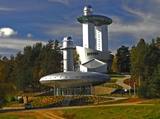 |
Das einzige Museum solcher Art im Baltikum. Das Ziel des Museums besteht darin, die Mensch(und litauisches Volk)-Kosmos-Beziehung zu zeigen. Ausbildungsprogramme, mythologische Steine. |
|
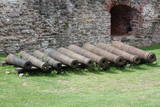 |
The Bauska Castle contains a collection of cast iron cannons which date back to the latter half of the 17th century and the beginning of the 18th century. They were manufactured in the Duchy of Courland. The cannons that are in the garden of the castle were not found there – they were found in different locations in Zemgale. Four of the largest cannons came from Jaunsvirlauka, where they were found on the banks of the Lielupe River opposite Emburga. They are the best preserved weapons of their type in Latvia. The only cannon that was found in the castle itself is currently in its South-eastern tower as a thematic exhibit. When it was being cleaned, two cannonballs were found in the weapons. The local Livonian Order castle is in ruins, but it and its defensive structures, including earthen ramparts that were installed from the mid-15th until the early 18th century, represent an important element of Latvia’s military heritage.
|
|
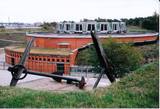 |
Schon seit der früheren Zeiten – ein Platz von der militärischen und strategischen Bedeutung. Für den Schutz des Hafens von Klaipeda wurde 1866 von preussischer Militär den Bau einer Festung angefangen. Im Laufe des 2.Weltkriegs wurde die Festung in die Luft gesprängt. Die Renovierung begann 1979. |
|
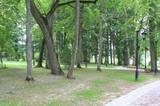 |
This is a natural monument of protected dendrological plants. The park is in the Upmala Parish, covers 2.7 ha, has been protected since 2001 and is managed by the Vārkava Administrative District Council. Judging from the oldest oak trees (approximately 200 years old), the park was established in the early 19th century, with other plants from the latter part of the century. Local species of trees, including maples, elms, fir trees, aspens, oak trees, willow trees, linden trees and hazelnut trees grow in the park, as do more than 10 exotic types of trees and bushes, including various types of maple, aspen, willow, lilac and linden trees. |
|
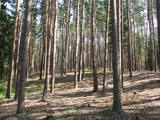 |
Aizaudzis un purvains ezers - Ļūbasts, ar grūti pieejamiem vai nepieejamiem krastiem. Dabas vērošanai šobrīd nepiemērota vieta. Galvenās aizsargājamās vērtības - dažādas putnu sugas, t.sk. dzērves un melnie zīriņi.
|
|
 |
Atrodas 0,1 km ziemeļos no Dobeles pilsdrupām - laukumā starp Tērvetes ielu un Liepājas šoseju. Tas veltīts 1. pasaules karā un Latvijas Brīvības cīņās kritušajiem kareivjiem. 1940. g. pilsētas Vienības laukumā atklāto pieminekli (tēlnieks K. Zemdega) desmit gadus vēlāk uzspridzināja, bet 1996. g. atklāja no jauna (tēlniece I. Berga). Laukumā apskatāms 1989. g. uzstādītais piemiņas akmens (tēlnieks M. Zaurs) zemgaļu aiziešanai no Dobeles, kas notika 1289. g. Pirms aiziešanas uz Lietuvu, tie nodedzināja savu koka pili Dobeles pilskalnā. No laukuma paveras labs foto – rakurss uz Dobeles pilsdrupām. |
|
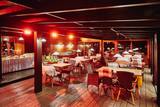 |
The restaurant is at the edge of the Vidzeme Highway (A2). It is a lovely log building with a straw roof and an antique interior. Dishes are based on ancient traditions merged with the requirements of modern clients. Latvian cuisine: Cold soup, dumpling soup, grey peas with bacon, wheat grain porridge, lampreys in mustard sauce, pike-perch grilled on coals, roast pig’s ear, roast pork leg, chicken livers in a creamy sauce, stacked rye bread, cottage cheese dessert with cranberry sauce. |
|
 |
“GREEN HIVE” ir pārtikas ražotāju uzņēmums, kas nodarbojas ar medus un ogu pārstrādi. Uzņēmums atpazīstams ar saukli “Medus citās garšās!”. “GREEN HIVE” piedāvā vairāk nekā 60 produktus – medu daudzās un dažādās garšās, kā arī sīrupus, sulas un nektārus. “GREEN HIVE” atbalsta zaļas Latvijas ideju, un ievēro šo pārliecību uzņēmuma ražošanas procesā, dzīvojot saskaņā ar dabu un lietojot dabas dotus produktus. Ražotnē uzņem tūristu grupas, produkciju iespējams degustēt un iegādāties. |
|
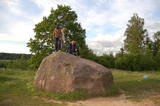 |
The rock is not too big (2.1 m high, 15 m in circumference), but since the early 20th century it has been a popular tourist destination. There is a lovely view of the
|
|


