
| No | Name | Description |
|---|---|---|
 |
The farm breeds some 400 rabbits and also grows strawberries. Breeding rabbits, rabbit meat, strawberry plants (3-4 different kinds) and berries can be purchases. Lettuce is available in the spring and vegetables are on offer in the fall. You can take a tour of the farm and learn about rabbit breeding. |
|
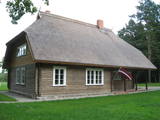 |
“Airītes” is a museum found at the place where the first commander of the Latvian Armed Forces, Col Oskars Kalpaks and other Latvian soldiers (including three officers) fell during a battle on March 6, 1919. The public donated money in 1920 to build a monument, and it was unveiled on September 3, 1922. In 1935, work began on a building that was proposed by the Col Kalpaks Battalion organisation, the plan being to exhibit items related to Kalpaks’ battles. It was opened a year later. The monument was destroyed during the Soviet era, and the building housed a post office and some flats. The memorial was restored during the national Renaissance in 1988 and 1989, and on November 11, 1990, the museum was reopened. During renovations in 2007, the second floor burned down. The museum and exhibition were renewed in 2013. The exhibits speak to Kalpaks’ life during World War I and Latvia’s liberation battles. Employees regularly organise commemorative events in honour of Kalpaks, as well as celebrations of Lāčplēsis (Veterans’) Day. |
|
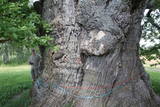 |
Most of the great tree’s mighty branches are gone, and among those that are still there, the thickest ones are held up by supports, and the tree’s hollow centre is protected against snow and rain with a little roof. This is the thickest Common Oak (Quercus robur) in Latvia and the Baltic States. Indeed, it is one of the thickest oak trees in all of Northern Europe. The tree is a gorgeous part of the surrounding landscape. There is a car park and an information stand nearby.
|
|
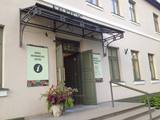 |
Located on the side of the Daugavpils-Krāslava (A6) road in Naujene, the museum features a replica of the room of a wealthy Latvian farmer with household objects from the 19th and 20th century. Younger visitors will be interested in Latvia's only diorama, "Underwater World," which will introduce them to the inhabitants of the Daugava River. An outdoor exhibition, "Daugava of the Heart," has information about the protected Curves of Daugava Nature Park and the protected Upper Daugava landscape region, as well as local cultural and historical values. The museum offers creative workshops and educational programmes. There is an apple orchard to the east of the museum. On the opposite side of the road, is the Juzefova (Juzepova) Park, which once was a baronial estate owned by Duke Bogdan Shahno. It no longer exists. The park has pathways, relaxation areas and information stands about the history of the park and the most interesting trees that are found therein. You will need at least one hour to walk through the park. |
|
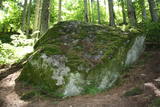 |
Vienu kilometru garā lokveida taka, kas ved pa lielāku nacionālā parka meža masīvu, uzskatāmi attēlo Žemaitijas augstienes un tuvākās apkārtnes reljefa veidošanās vēsturi. No takas augstākā punkta – Mikitai kalna, kas ir sens pagānu upurkalns, paveras (ainaviska stiga) tālākas apkārtnes skats. Kā takas interesantākie apskates objekti ir jāmin teikām apvītais akmens ar Velna pēdu un ar akmeņiem izliktas akas paliekas. |
|
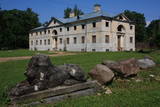 |
Muiža sāka veidoties 16. gs. beigās (īpašnieki - Tīzenhauzeni, vēlāk Bēri), bet no 1753. g. tā kļūst par Mēdemu dzimtas īpašumu. Tagad redzamo muižas pili (mūsdienās tikai atliekas) cēla 1806. - 1810. g. klasicisma stilā (Johana Georga Ādama Berlica projekts) pēc itāļu izcelsmes Pēterburgas galma arhitekta Džakomo Kvarengi meta. Muižas īpašnieks tajā laikā bija Johana Frīdriha Mēdema dēls - Kristofs Johans Frīdrihs (saukts par Žanno). Elejas pilī bija savākti daudzi nozīmīgi Eiropas mākslinieku darbi, kā arī iekārtots izcils interjers. 18 muižas kompleksa ēkas nodedzināja Pirmā pasaules kara laikā (1915. g.) un līdz mūsdienām ir saglabājušies tikai nelieli pils pirmā stāva drupu fragmenti ar kaltiem portika kolonu kapiteļiem, pārvaldnieka māja (apskatāma no ārpuses), atsevišķas saimniecības ēkas un parks. No pils drupām pa aleju var aiziet līdz Tējas namiņam (bēdīgā stāvoklī). 0,5 km ziemeļos no pils drupām atrodas 1912. g. izveidotā Mēdemu dzimtas kapsēta. Elejas pils mūra žoga arkādē iemūrēts dobumakmens. |
|
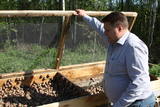 |
Here you will find an attractive and interesting story about Burgundy snails and how they are bred. You can tour the farm, receive valuable advice, taste Burgundy snails prepared on the basis of various recipes, and purchase semi-finished products. |
|
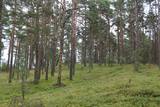 |
This may be an ancient cult object, and today it is a little hill in the dunes that is a bit larger than other local hills. It is said that a church once sank into the dune. This tale suggests that there was a Christian or pagan prayer place here at one time. (Source: Roja TIC) |
|
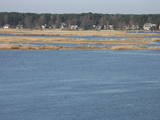 |
The restricted area protects the seashore meadows of the Lielupe River estuary, which are a very uncommon habitat in Latvia. The restricted area is on the left bank of the river, where one of the largest areas of wild swamp angelica is found. This is an important nesting area for birds. The territory is not improved for tourism, and it should be viewed from the Baltā (White) dune that is on the opposite bank of the Lielupe River. From there, the visitor will see a lovely landscape featuring the river estuary and the meadows which are around it.
|
|
 |
Meklējams pie Gulbjiem – Dvietes senlejas informācijas centra. No torņa labi pārskatāma ūdeņiem bagātos pavasaros pārplūstošā Dvietes paliene, dzīvei savvaļā pielāgoto mājlopu aploki un izlīkumotā Dvietes upīte. |
|
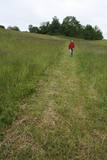 |
Viens no iespaidīgākajiem nacionālā parka pilskalniem, kura piekājē atradusies senpilsēta. Arheoloģisko izrakumu gaitā te atrastas kuršu senlietas. Tiesa, mežs un biezais augājs traucē uztvert šī nozīmīgā arheoloģijas pieminekļa patiesos apjomus un formu. Uz pilskalnu vasarās ved izpļauta taka. Ja esat Žemaišu Kalvarijas pusē un atliek brīvs brīdis, tad savā maršrutā var iekļaut arī šo apskates objektu. |
|
 |
Traditional Estonian food from products of organic farms Saare Ubin and Vatsliku. |
|
 |
The farm shows traditional rural life activities, raising sheep and Estonian Blackhead sheep. A heritage trail on the farm takes in a sacred grove, ancient burial sites and fields, and we tell stories of ancient Estonians and history of the farm. Handicrafts are displayed and wool workshops are offered. |
|
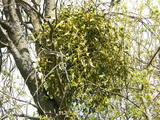 |
This is a mostly forested territory which is home to one of the largest areas of the white mistletoe, which is a semi-parasitic plant. It is best to observe this unique plant when it has no leaves. Latvia is the northern limit to the white mistletoe, which is why it is not all that common. It is interesting that even more of this rare specie can be seen outside of the nature restricted area. |
|
 |
Latvijai neparastā izskata tornis tika uzcelts līdz ar Ziemeļblāzmas kultūras pils un parka atjaunošanas procesu. No torņa paveras plašs apkārtskats uz jau minēto parku, pili, Daugavu, Pārdaugavu un Daugavas vārtiem (Daugavas ieteka jūrā). Darbojas lifts. Tornis atvērts sezonas laikā. |
|
 |
Suhka farm observes old traditions and serves local food. It also offers accommodation in a picturesque location. In addition, here you can learn of hiking routes in places you will not hear about elsewhere. |
|
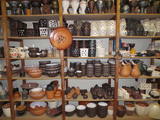 |
This old brickmaking kiln is used to prepare clay that is used by many ceramics artists. The owners also produce handmade household and design objects. Tours are available with attractive stories and creative workshops. Individual orders are also accepted. |
|
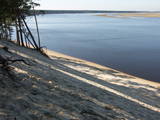 |
An important complex of the coastline and its sand dunes along with the mouths of three major rivers – the Lielupe, the Daugava and the Gauja. This area has ancient traditions of recreation and spa services. The territory has lovely shoreline landscapes and features one of the few coastline meadows in Latvia. The nature park includes several restricted areas – the meadows of the Lielupe estuary, Vakarbuļļi, Daugavgrīva, Vecdaugava and Ummis (see the section on “Restricted Natural Areas”). Interesting elements of nature in this area include the amphitheatre of the Garciems dunes, along with individual dunes such as the Legzdiņi dune and the so-called ski mountain dune. Visitors will be attracted by various cultural and historical monuments – fortifications on the Mangaļi peninsula, military buildings from the period of the Russian tsars all the way through the late period of the Soviet occupation, the fortress of Daugavgrīva, the Vecāķi spa with its old shoreline buildings, and the beaches at Daugavgrīva and Vecāķi. The proximity of the city of Rīga and various important recreational resources are the reason for the massive anthropogenic burden that is placed on this territory. The nature park is appropriate for active tourism (hiking, bicycling, boating, driving), distance skiing, nature and bird-watching, cultural tourism, passive leisure and educational tourism. There are nature trails at Daugavgrīva and the Rožu dunes, along with other elements of infrastructure. |
|
 |
A café and bakery in Kuldīga that offers fresh, home-made pastries until the very evening. |
|
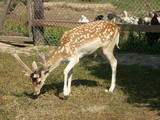 |
The owner will give you a tour during which you will see African ostriches, fallow dear, the Soay breed of sheep, exotic birds and fowl. You can establish contacts with the animals and purchase souvenirs. |
|


