
| No | Name | Description |
|---|---|---|
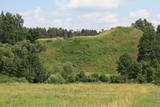 |
Das alte zemgalicshe wirtschaftspolitische Zentrum, das eine stark befestigte Siedlung vor der Ankunft der Kreuzritter war. Die Ruinen der Burg des Livländischen Ordens. |
|
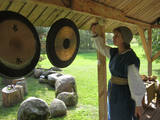 |
Natālija Rutule owns this workshop in the Alsunga Museum building. She teaches master classes in preparing various health and beauty products. A sound workshop offers a chance to listen to the peaceful sounds of gongs, bells and other instruments. |
|
 |
Family farm near Valmiera with large fields, meadows and 400 cows. Production of cream, cottage cheese, yoghurt, cheese, ice-cream and other products from the farm's milk. |
|
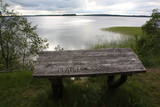 |
Nacionālā parka galvenā ainavas dominante. Ezers ir ~ 8,4 km garš un līdz 3,3 km plats. Tā austrumu krasti pārsvarā ir ar mežiem apauguši, ziemeļrietumu krasts – purvains, bet rietumu krastā parādās apdzīvotas sētas un simpātiskā Plateļu (Plateliai) pilsētiņa, kur meklējamas skaistākās skatu vietas. Ezera krastos ir labi attīstīta infrastruktūra - tūristu mītnes, ēdināšanas uzņēmumi (Plateļos), ūdenssporta un atpūtas inventāra noma. Ūdens dzidruma dēļ, Plateļu ezeru ir iecienījuši zemūdens niršanas entuziasti. Ezerā ir vairākas salas, no kurām interesanta ir Pils salas (Pilies sala), uz kuras no 15. – 16. gs. atradās muiža. Pastāv uzskats, ka senie Plateļu apkārtnes iedzīvotāji sākotnēji ir dzīvojuši uz salas, kuru ar krastu savienojis uz pāļiem celts tilts. Jāpiemin, ka 15 gs. pirmoreiz pieminētā Plateļu pilsētiņa atradusies uz Šventorkalņa (Šventorkalnis) kalna. Apkārt Plateļu ezeram ir izveidots ~ 24 km garš velomaršruts. Tā ir ļoti laba iespēja iepazīt parku videi un ceļotāja veselībai draudzīgā veidā. |
|
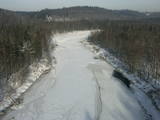 |
The impressive Gauja River valley and its best natural and cultural landscapes can be seen from Paradīze (Gleznotāji) Hill, the Sigulda castle ruins, the aerial tram, the Ferris wheel, the Ziediņi and Pilsēta ski trails, the area of the bobsled and sledding trail, Ķeizarskats, the viewing area of the Velnala cliffs, the mountain bike route of Sigulda (on the right bank of the Gauja, particularly when the trees are bare), the area of the Krimulda castle ruins, Dainu Hill, and the Turaida castle tower.
|
|
 |
The farm produces tomatoes, cucumbers, strawberries, grey peas, herbs, pumpkins and cabbages, and it also has a group of chickens which spend their time outdoors. The farm’s products are available for purchase. |
|
 |
Silmači ir neliela ģimenes saimniecība, kur no pašu kazu piena top dažādi kazas piena sieri. Siera gatavošana apgūta pakāpeniski – apvienojot vietējās lauku sētas tradīcijas ar zināšanām un pieredzi, kas gūta, pētot un mācoties gan Latvijā, gan ārpus tās. SieriDažādi kazas piena sieri – no svaigiem un maigiem līdz izteiksmīgiem, kūpinātiem un ilgi nogatavinātiem cietajiem sieriem. Piedāvājumā ir gan klasiskie svaigie sieri, gan sieri ar garšaugiem, kā arī kūpināti sieri ar bagātīgu garšu. Kā top siersSiers top no kvalitatīva kazas piena, kas nāk gan no pašu ganāmpulka, gan no uzticama vietējā piena ražotāja. Kazas tiek audzētas lauku vidē un barotas ar dabīgu, pašu sagatavotu barību, kas tieši ietekmē piena garšu un kvalitāti. Siers tiek gatavots no svaiga piena, rūpīgi kontrolējot katru soli – no slaukšanas līdz nogatavināšanai. Katrs siers top ar rokām, ļaujot pienam saglabāt savu dabisko raksturu un pārtapt izteiksmīgā, niansētā garšā. Svaigie sieri tiek gatavoti pēc vienkāršām, paaudzēs mantotām metodēm, savukārt puscietie un cietie sieri top, iedvesmojoties no senām itāļu un pat Senās Romas laiku receptēm, piešķirot tiem savu raksturu un garšu. ApmeklētājiemIespējams iepazīt kazu saimniecību un siera tapšanas stāstu no pirmavota. Sezonā no aprīļa līdz oktobrim var piedalīties degustācijās, nogaršojot dažādus kazas piena sierus un citus saimniecībā radītos produktus. Apmeklētāji var satikt kaziņas un kazlēnus, uzzināt vairāk par to ikdienu, dzirdēt saimniecības stāstus un kuriozus, kā arī nesteidzīgi izbaudīt lauku vidi. Mazākajiem viesiem pieejams rotaļu laukums. Tiek piedāvātas arī meistarklases nelielām grupām – no kazas pupa līdz galdam, ļaujot izsekot visam siera, sviesta, biezpiena tapšanas ceļam. Kur iegādāties sierusSaimniecībā uz vietas. Piegāde maršrutā Gulbene–Sigulda–Rīga–Ādaži, kur produktus var saņemt, iepriekš pasūtot. Gulbenes Zaļajā tirdziņā un Slow Food Straupe tirdziņā. |
|
 |
The restaurant is in the Park Hotel Latgola with a broad view of the city from the 10th floor. It offers Lettigalian and global cuisine. |
|
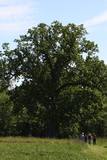 |
The tree is on the side of a hillock, and its visible roots are unusually huge.
|
|
 |
Another example of a costal defence battery along the Kurzeme shoreline is found here.
|
|
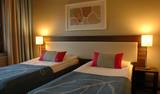 |
Spa Hotel Lohja is located in a beautiful place near Lake Lohja, surrounded by peaceful nature. This place has a lot to offer, there is wide range of things you can do while you are here, for example, you can rent a bicycle or/and a boat, go to the gym, play mini-golf, swim and much more. |
|
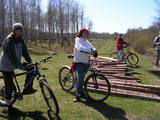 |
The nature trail was built in 2003 supported by the WWF, the Latvian Environment Protection Fund, the International volunteering organization supporting conservation initiatives in the United Kingdom (BTCV) involving volunteers from Nīca and Rucava municipal parishes. The trail exposes the surrounding landscapes and related biotopes – dunes, forest, grasslands and bog, as well as bird and animal species found there. On the trail, there is a bird watching tower and two birdwatcher hides. You can see the rivers Paurupe and Līgupe, beaver activity areas, grasslands, black alder forest, spruce forest, floodland, wild horses, aurochs, the Šķilu lime tree, the Holy Grove, the Ezerskolas sacrificial stone, the Pape ornithological field station, the Papes polder grasslands and the Pape lighthouse. There are resting places en route. The trail leads through the historical Ķoņu village with the traditional coastal fishing village architecture of buildings and yards. The trail is 9 km (5 km one way by a gravel road, returning 4km along the coastline). The trail is in the Pape nature park
|
|
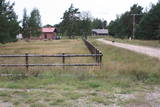 |
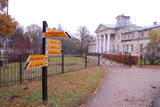
A long village stretching along both banks of the Lūžņa River. In 1937, there were 36 houses and two boat piers here. During the 1860s, ships were built here, but during the Soviet occupation, there were military bases there. During the 1930s, the village was visited several times by the Finnish linguist Lauri Ketunen and Estonian student Oskar Lorits. They were working on a Livonian dictionary. Another resident of Lūžņa was the first Livonian artist, Jānis Belte (1893-1946). The "Dēliņi" fisherman's homestead has been transferred to the Latvian Ethnographic Open-Air Museum and can be seen there. |
|
 |
The Lutheran Church of Krimulda is considered one of the oldest churches in Latvia. It was originally built in the 13th century, soon after the conquest of Kubesele and later rebuilt many times. Near the church a meditation labyrinth "Lily Flower" is set up. When Liv chief Kaupo fell during the battle at Viljandi in 1217, according to the legend, the ash was buried at the church. A small hill adjacent to Runtinupite (Runtins) is popularly known as a grave site of Kaupo, at its right bank is located ~7 m long, artificially dug Kubesele or Runtin cave. On the left bank of Runtinupite columns the Kubesele hill fort. Kubesele nature trail starts at the church. This trail leads to the Gauja River, where the Great (Runtina) stone lies. Here can be seen anchor pads installed by Gauja raftsmen. Krimulda medieval castle (4 km east of Krimulda Church) was built the second half of the 13th century in the place where the right bank of Gauja valley is split by deep ravine of Vikmeste. Castle (residence of Riga dome capitol - Riga's Archbishop Council) was an imposing building, whose big inner yard was included by 1.5 m thick defensive wall. In 1601, while retreating, Swedish military leader Heinrich Lieven blasted Krimulda castle. Now at the hill fort, grown with the forest a small castle ruins can be seen. Nearby is located air cableway and starts Krimulda mountain road. Located nearby Krimulda manor was first mentioned in writings in the 15th century. Present manor castle was built in the 19th century in neoclassical style (owner - First Lieven). During the twenties of the 20th century, the castle after its alienation became a property of the Latvian Red Cross, which established here children's sanatorium. Nowadays the castle houses rehabilitation hospital "Krimulda", but from the farm buildings, manor stables, barn, servant, manager houses and the so-called Swiss Cottage and Park have been preserved. Thematic tours are offered here. If we go down the Gauja by boat, then we will be able to take a close look at about 15 m high Velnalas cliffs. They can be well seen also from the opposite - left bank of Gauja (resting place is established). In the middle of the cliff about 19 m deep and 4.7 m high Krimulda Velnala cave is located. If we go from the Velnala cave cliffs along the lower part of the right bank of Gauja in Turaida direction, you will see Pikenes cliff, rich with sandstone outcrops. At its foot ~ 1 km long Pikenes beaver trail is established. The Little Devil's Cave (5 m long) is on the side of the trail, with the Gudribas (Wisdom) spring that springs out of the cave, as well as Aunapieres cave which is the same length as Devils cave. Small oxbow lakes also can be seen. |
|
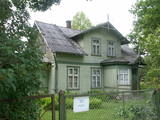 |
This is the one street in Ķemeri where the towns' wooden buildings have been preserved to the greatest degree. Turning onto Durbes Street from Karogu Street, you will find the Miervaldis Ķemers Museum, which is focused on the well known Latvian cultural activist, pastor and painter (1902-1980). The museum is at Durbes Street 21. |
|
 |
Neliela ziepju un dažādu citu ķermeņa kopšanas produktu darbnīca. Pašu audzētos un saimniecības pļavās ievāktos ārstniecības augus iestrādā ziepēs un skrubjos, gatavo no tiem izvilkumus augu eļļās, kurus iekļauj lūpu balzamos un krēmos. Ziepes tiek vārītas tā, kā to darīja agrāk - no sārma un taukvielām. Apmeklētājiem iespēja ielūkoties “Ezervanna” mazajā darbnīcā, paklausīties stāstā par ziepju vārīšanu, iemēģināt roku un radošumu skrubju gatavošanā vai “pamīcīties” ar ziepju veidojamo masu un pagatavot savu ziepju gabalu. |
|
 8 days
|
This tour offers a look at modern farms that based their work on ancient jobs and skills. Everything that is grown and processed in Latvia's countryside is found at the Central Market in Rīga, where this tour begins. It is one of the largest and oldest markets in Europe. From there you will travel to several farms to taste candy made of natural juices, cheese, grain foods, yogurt and ice cream. You will visit a traditional farm with a technology museum. Each farm will offer a brief introductory tour. Along the way, you will visit the Rundāle Castle and its park and rose garden, which were designed by the 18th century architect Rastrelli and are a true jewel of Baroque and Rococo architecture. In Bauska you will visit City Hall to see a collection of old measuring items, the Bauska Castle and the Bauska brewery. In Lithuania you will visit farms that grow lavender, medicinal plants and hemp. They will be happy to sell their products to you. The town of Anykščiai offers a trail above the trees, and the Krenave archaeological complex is on the UNESCO heritage list. At the conclusion of the tour, you will visit the Trakai lake castle that was built in the 14th and 15th centuries, as well as Vilnius. |
|
 10 days
|
From Riga the tour goes along the right bank of the river Daugava and crosses it over at Plavinas HES to Salaspils. Visit National Botanic Garden then continue along the left bank of Daugava. On the route there is a model of ancient wooden castle where you can walk about. . Then visit the Kingdom of Rabbits where their homes are made like a little castles too. Time to taste some wonderful home-made ice-cream at Skriveri and visit legendary Koknese castle ruins park. Next day visit ethnographic working farmstead where you can see wild horses and cows as well as various waterbirds in the pond. Then the route goes to private mini zoo "Ezerlejas" with some exotic animals, visit ceramics factory where you can see how the hand-made clay products are made from the beginning to the end, walk around Rauna medieval castles ruins. Cesis town with mighty medieval castle and pretty old town is the next on the route. At Ligatne walk nature trails where you can see local wild animals. At Sigulda kids would love to visit "Tarzans" adventure centre. There is also Olympic bobsled centre and two medieval castles located. From Sigulda the route goes towards the coast with a stop at elegant Birini Manor with large park where you can try horse ridding. Then you are at the sandy beach of Saulkrasti. Before returning to Riga you can visit a farm with goats and ponies to taste goats products and cuddle animals. |
|
 2 days
|
On the first day visit a farm specialised in goat breeding and making exclusive cheese, a farm which grows and processes hemp in several generations, berry and fruit grower as well as traditional lamprey fishermen. Next day have a master-class with famous chefs in the restaurant in Riga where these ingredients will be used to prepare first class meals. |
|
 |
The number of types of peonies in this garden is close to 400, and collect Dagnija Voika is proud of one of the largest collections in Latvia. There are 30 types of shrub peonies, and other flowers that grown there include bearded irises, Siberian irises, daylilies, as well as less common plants such as yuccas and eremurus. The garden is open in June, when the owner organises a peony festival and offers tours. The valuable peony roots are used to produce the PEO series of cosmetics, and plants can be purchased. |
|


