
| No | Name | Description |
|---|---|---|
 4 days
|
Салаца с точки зрения водного туризма является интересной рекой, на которой даже в период маловодья будут радовать береговые ландшафты и объекты осмотра, а также многообразие самой реки. Для похода на лодках самыми привлекетельными будут окрестности Мазсалацы и участок Мерниеки – Вецсалаца, где на карте видны топонимы, связанные с заколами. Заколы (лат. tacis) – бывшие места ловли миноги – это та уникальность, характерная только для Салацы на участке реки ниже впадения реки Иге. В наши дни о прежнем существовании заколов свидетельствуют топонимы – Гедерту тацис, Жвигулю тацис и др. Заколы для миног строили в местах, где река самая мелкая, самая узкая, более богата островами и стремнинами, поэтому топоним «тацис» означает также самые интересные обстоятельства для сплава. Сами заколы сохранились только в нижнем течении реки у Салацгривы. Ночлег в основном на стоянках для водных туристов (в палатках). Маршрут проходит по территории Северовидземского биосферного заповедника. Информация о маршруте от Latvijas Lauku forums |
|
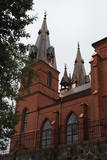 |
In 1685, a military leader from Krakow, Belinsky, paid for the construction of a wooden church in the current location. It was restored in 1749 and lasted until 1887, when it burned down during a storm. A church with two steeples was designed in the Gothic style, and construction of it began one year later. The church was consecrated in 1904 and is one of the most impressive churches in Latvia. Attention should be paid to stained glass windows that feature images of St Meinhard and Albert. Alongside the church is the centre of the Rēzekne-Aglona diocese, which is the seat of the local bishop. |
|
 3 days
|
On this tour, you will see the most beautiful places and towns in the Vidzeme region and Gauja National Park such as Sigulda with the River Gauja valley, the medieval old town of Cēsis, and Valmiera. You will feast on the Miller’s Lunch, visiting a working windmill, explore a herb and vegetable garden by a medieval castle, taste hemp butter, and Valmiermuiža local brewery beer. You will taste the “green cheese”, a sparkling birch sap drink, and can buy delicacies made from locally grown garlic. |
|
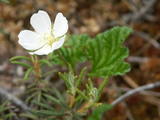 |
Augstā un purva vidusdaļā - pārejas tipa purvs, putniem nozīmīga vieta. Apmekļējumiem nav piemērota infrastruktūras trūkuma un sugu aizsardzības nolūkā. |
|
 |
The bakery offers baked goods made of natural ingredients. It also offers salads, pizzas, cakes, ice cream and other treats. |
|
 |
The café is in the centre of Lielvārde and offers a full feeding service, including breakfast, dinner, supper. Latvian cuisine: Cold soup, fresh cabbage soup, baked carp or catfish, steak haché, grey peas with bacon, pancakes. |
|
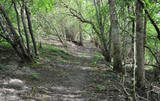 |
4 km garā un marķētā taka iepazīstina ar dziļo Imulas ieleju – Abavas kreisā krasta pieteku. Īpaši iespaidīga ieleja izskatās bezlapu periodā, kad ir apjaušami tās izmēri un formas. Vēstures cienītāji var upes gultnē uzmeklēt Langsēdes Velna pēdas akmeni. Atrodas dabas parkā „Abavas senleja”. |
|
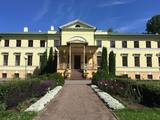 |
The Naukšēni People’s Museum, where we tell intelligent people about those who were born at the NAUKŠĒNI DISCO, arrived here and stayed here. We’ll look at how they talk, sing, think and love. |
|
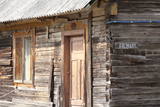 |
Vāldamõ – a residential building that is yellow and has natural roofing materials. It was built as a new farm at the beginning of the last century. Virgo is the next homestead to the North from Vāldamõ, and it was established as a new farm in the 1920s. The house (1930) features interesting wood carvings. Next to the North is Fīlmaņi, which has a building that appears antique, but was built in the early 20th century as a single roof. Silkalni is the homestead that we find if we turn to the right toward Pitrags at the crossroads. The yellow building was built around 1906 as a single room. Norpiedagi is to the South from Silkalni – a brown and larger house than the previous one. The home was built around 1906 as a one-room granary by the active Liv public activist and boat builder Diriķis Volganskis (1884-1968). His son, Edgars Valgamā, who was also a Liv cultural activist and worked as a pastor in Finland, was born here. Anduļi can be found at the aforementioned crossroads. This is one of the largest old farms in the village, and it is owned by the village elder. The history of the homestead was first recorded in 1680, when it was called Kūkiņi. The homestead includes a residential building (c. 1909), a threshing barn (1905), a granary (mid-19th century), and a smokehouse made of a boat that was cut in two. Under the part of the threshing barn which is on the back of the dune, there is the medieval, so-called Plague cemetery. Žoki is a homestead that is on the other side of the road from Anduļi. The building that is there now was built on the foundation of an older one. In the mid-19th century, Žoki was home to the first reading school for Liv children from the seashore villages of the Dundaga region. Liv Nika Polmanis (1823-1903) worked there as a teacher. Next to the North of Žoki is the Tilmači homestead, with several buildings that were built in the late 19th and early 20th century – a brown residential building, a stable and part of a granary. When the residential building was restored, the owner found a board reading "1825. Kurlyandskaya gubernya." The seven historical homesteads and buildings were at one time considered for listing on the UNESCO list of world heritage. |
|
 |
Sēlijā, 5 km attālumā no Aknīstes, mājā "Skārdupītes" atrodas biedrība “Sēlijas laivas”. Kamēr teritorijā vēl tikai tiek attīstīta aktīvā tūrisma bāze, jau tagad viesiem tiek sniegts ieskats laivošanas kultūras attīstībā, kā arī ir iespējama dažādu laivu veidu noma un laivošanas tehnikas apmācība. Papildus: vides gida pakalpojumi ar iespēju laivojot iepazīt upes ekosistēmu, floru un faunu. |
|
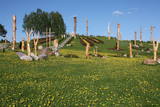 |
Atrodas nepilnus 2 km austrumos no Aglonas, Aglonas – Dagdas ceļa malā. Tā ieceres autors ir Ēriks Delpers, kurš 2006. g. uzsāka vietas labiekārtošanu, izveidojot brīvdabas skulptūru dārzu un stādījumus. Kristus Karaļa kalns šobrīd atrodas izveides procesā, taču neskatoties uz to – objekts, ko ir vērts redzēt! |
|
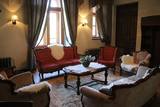 |
The castle was built as an almost exact copy of the architecture of Windsor Castle in the UK and is among the most unusual of the Estonian manor buildings. At least as interesting is the owner and initiator of the manor building design - Count Friedrich von Berg. There is also a Dendro park with rare species behind the Castle. |
|
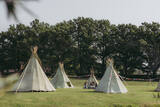 |
Glamping "Kadiķi" is located in Auce region - it will open in July 2021. It is a unique recreation area with a private area where you can find new feelings, spend the night in wigwam, merge with nature, enjoy the peace and quiet far from the city, see flocks of deer and deer, surround the surrounding waters, go hiking on forest trails, archery, enjoy the beauty of the natural landscape and gain an unforgettable rural adventure. The company's values are nature, private space and atmosphere, ecologically responsible attitude towards the environment. The wigwam has amenities worthy of a glamping tent - bed, interior items, outdoor terrace. Guests will also have breakfast. Nomadic Homes also offers to buy or rent wigwams for private events, recreation or starting your own business. |
|
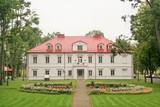 |
This is a lovely park and a reconstructed estate from the mid-19th century, located 14 km away from Panevežys in northern Lithuania. The estate was established during the latter half of the 19th century, and during the 20th century, various buildings were erected, including a two-story mansion with two floors (mid-19th century), stables, cellars, a gardener hut and ancillary buildings. The mixed-type park with ponds was installed in during the latter half of the 19th century. There was a large pergola on a hillock in the park, and it was alongside the gardener's hut. The silhouette of the park is enlivened by newly pave pathways and little bridges that link the ponds. |
|
 |
Piesta Kuusikaru farm is located in Vändra forest, Pärnumaa. We invite everyone who would like to know how this family decided to create their own farm in the countryside and started to make wonderfully delicious products from apples. At the farm you can taste all the products and buy all your favourites to take away. A great place to relax with your family. |
|
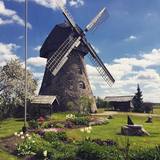 |
The windmill is on a hill and offers a lovely view. This is one of the few Dutch-type windmills (built in 1852) to still be in operational order, and guests can help to grind grain. On the last Sunday of every July, the windmill organises a celebration in honour of St Jacob and of bread baked from freshly harvested rye. Latvian cuisine: Miller’s lunch – wheat flour porridge with meat sauce, crepes, kefir, herbal teas. |
|
 |
The farm produces six different kinds of blackberries. You can tour the surrounding fields, learn about how blackberries are grown, and taste and purchase valuable berries. Your children will love the rabbits and goats that are at the farm. |
|
 |
Ģimenes uzņēmums Svētes pagastā, netālu no Jelgavas. Kopš 2019.gada šeit top dažādi Latvijas priežu produkti, kas vērtīgi kā imunitātei, tā arī veselībai. Mītavas Čiekurs produktu galvenā sastāvdaļa ir Parastā priede (Pinus sylvestris). Tā bagāta ar ēterisko eļļu, sveķiem, miecvielām, C vitamīnu u.c. vērtīgām vielām. Tiek gatavotas priežu čiekuru karameles, čiekuru sīrupa zefīri, želejkončas, priežu čiekuru zapte, karamelizēti čiekuri sīrupā, šokolādē, kā arī priežu pumpuru sīrups un tēja. Ekskursija norisinās 90-120 minūtes, kuru laikā atraktīvais saimnieks Reinis pastāstīs par uzņēmuma vēsturi, dalīsies receptēs, pagatavos katram apmeklētājam gardu dāvanu (čiekuru marmelādi), kā arī protams- varēs degustēst dažādos priežu produktus. Papildu pirms vai pēc ekskursijas iespējams ieturēties ar uz ugunskura gatavotu pupiņu zupu ar lauku kūpinājumiem, soļanku vai biešu zupu. Tūristus uzņem nupat uzbūvētajā ekskursiju telpā- Čiekurnīcā. Uzņemt var līdz pat 60 interesentiem reizē. |
|
 |
Sprižu ģimenes bioloģiskā saimniecība "Dabas Gardumi" atrodas Mārupes novadā un tā apsaimnieko ogulājus 23 ha platībā. Audzē avenes, upenes, jāņogas, ērkšķogas, sausseržus, piparmētras, ābolus, plūmes u.c. Visas ogas svaigā veidā tiek piedāvātas sezonas laikā, kā arī tiek pārstrādātas, no kurām ražo dažādus augļu - ogu gardumus: augļu-ogu bumbiņas, salmiņus, sulas, marmelādes un tējas. Saražotā produkcija ir dabiska, garšīga, veselīga, šķiedrvielām un vitamīniem bagāta, jo pārstrādes procesā augļiem, ogām un garšaugiem tiek saglabāts pēc iespējas lielāks tā dabiskais sastāvs. Pārsvarā gardumi top no pašu izaudzētiem un savāktiem dabas izejmateriāliem (augļi, ogas, garšaugi), ražotajiem produktiem netiek pievienots cukurs, līdz ar to augļu-ogu gardumi ir lieliska gan ikdienas, gan svētku uzkoda kā maziem, tā arī lieliem baudītājiem. |
|
 |
The Rudeņi farm is in the southern part of the Zemgale lowlands, to the East of Bērvircava. Established in 1999, the farm specialises in dairy farming with more than 300 cows and an equal number of calves. It is also a grain farm, with more than 400 ha of land for winter and summer crops, rapeseed and corn. Farming waste is used for a modern biogas plant that provides energy for the farm. The owners actively make use of EU projects, one of which allowed it to build a cattle shed for more than 400 animals and a cow milking carousel. |
|


