
| No | Name | Description |
|---|---|---|
 |
Atrodas Lielvārdes parkā pie Rumbiņas ietekas Daugavā. Līdzīgi kā citur, arī šeit 13. gs. pirmajā pusē bīskapa pili cēla nodedzinātās lībiešu koka pils vietā. Mūra pili nopostīja Livonijas kara laikā - 1577. g. Tikai 1987. g. notika drupu konservācija. Lielvārdes parka veidošanu uzsāka 19. gs. beigās Lielvārdes muižas barona Artura fon Vulfa vadībā. Sagaidot eposa „Lāčplēsis” simtgadi tajā izvietoja sešpadsmit no ozolkoka veidotas skulptūras (t.s. Skulptūru dārzs) (autori V. Ansavs, P. Mellis, Ē. Delpers, A. Dauvarte). Aiz pilsdrupām Daugavas krastā ir stāva krauja ar dolomīta iežuatsegumu. Līdz HES ūdenskrātuvei var nokļūt pa kāpnēm. Lielvārdes muižas pils līdz mūsdienām nav saglabājusies. |
|
 |
Ziemciešu audzētava „Puķu lauki” ir ģimenes uzņēmums, kurā audzē un piedāvā dekoratīvos stādus. Saimniecība ir specializējusies konkrētu augu grupu audzēšanā. Tās laukos bagātīgi zeļ ziemcietes, graudzāles (zāļveida ziemcietes) un dažādas cirpto bukšu formas. Turklāt, šejienes augu šķirnes ir pielāgotas mūsu klimatiskajiem apstākļiem. Apmeklētāji var izstaigāt skaisti iekopto un ainavisko paraugdārzu, kā arī iegādāties stādus plastmasas konteineros visas sezonas garumā. |
|
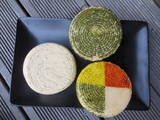 |
The Talsi Dairy was established in 1922 after merging several other dairies. The Talsi Dairy company was established later on these foundations. One of the best known products is “Talsu Ritulis” cheese. Products such as milk, kefir, cottage cheese, butter, cheese, etc., can be purchased at the “Piena sēta” store that is alongside the company. |
|
|
|
The Ristna Cape lighthouse was constructed in 1874 from parts manufactured in France. There is a small cafe at its foot, open summer only. |
|
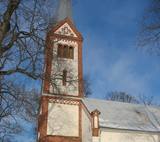 |
The Krimulda Lutheran church is seen as one of the oldest in Latvia. It was built in the early 13th century, soon after the territory of Kubasele was conquered. Over the subsequent centuries, it has been rebuilt many times. Alongside the church is a meditation maze called "Lily Blossom." When the Liv warrior Kaupo fell in battle near Vīlande in 1217, his remains were supposedly interred at the church. Local residents, true, describe a small hillock that is near the church as the grave of Kaupo. The site is located alongside the little Runtiņupīte (Runtiņš) river, on the right bank of which is a manmade cave that is approximately seven metres deep. It is the Kubesele Cave or the Runtiņala Cave. The Kubesele castle hill is on the left bank of the Runtiņupīte. The Kubesele Nature Trail starts at the church. If you hike down the trail, you'll see all of the aforementioned objects and others. The trail leads to the Gauja River where, on the right bank, is the Great (Runtiņš) Rock. Nearby you'll find anchor blocks installed by rafters on the river. |
|
 8 days
|
Saaremaa and Hiumaa are the two largest ones amongst 1500 other Estonian islands. In fact Saaremaa is the common name for Muhu and Saaremaa islands which are connected by the causeway like Hiumaa and Kassari islands. |
|
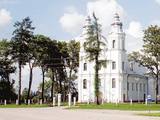 |
St. Anna Roman Catholic Church of Bērzgale. The Church was
built in 1770 and sanctified in 1776. The building is an example of Baroque style with a woodcarved altar
and two pictures of Virgin Mary. The church resembles Aglona Basilica.
|
|
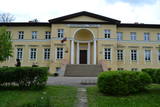 |
Tāšu – Padures muiža (Tasch – Paddern) celta 19. gs. sākumā kā Korfu dzimtas pils, kas 1852. gadā pāriet Keizerlingu dzimtas īpašumā kā medību pils, kas kalpojusi kā vasaras mītne, un ir izcils vēlīnā klasicisma paraugs. Iekštelpās saglabājušies vairāki senā interjera apdares fragmenti. Pēc pils pabeigšanas, ap to sāka veidot vairāk kā 10 ha lielu parku ar svešzemju kokiem. Šobrīd muižas ēkā atrodas Kalvenes pamatskola. |
|
 |
The hard-working family of the owner makes smoked ham and bakes bread. The meat is smoked according to local recipes in a self-made smokery, which gives the meat a special smoky taste, while the bread is baked from high-quality whole-grain rye flour. You can purchase bread and ham on Fridays. |
|
 |
The Lapmežciems Museum features
information about the history of the local
parish, its school and its fishing industry.
There are also exhibits featuring World
War I battles near Klapkalnciems which
involved Finnish soldiers. The museum
also organises themebased exhibitions.
Alongside it is a memorial rock for the
politically repressed.
|
|
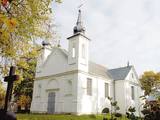 |
Blessed Our Lady’s Birth Roman Catholic Church of Kaunata
was rebuilt in 1850 by Zuzanna Druva after the wooden building was
burned down. The church has a fabric icon „St. Elizabeth is visited by Mary”.
|
|
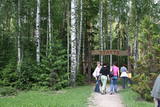 |
Dabas parkā izveidota Baltijā vienīgā Bišu taka, kurā apmeklētājs var iejusties bites ‘’lomā’’. Zinātkārie var ieģērbties bitenieka tērpā un novērot bišu dzīvi stropā vai kāpt kokā ar seno dravnieka ierīci – dzeini. Ekskursija, Bišu, Putnu, Meža, Sporta un Augu takas. |
|
 |
The brewery of Uzava offers group excursions where you are told about the history of the place and the brewing process. It is possible to buy different sorts of beer and beer-related souvenirs in the nearby shop. |
|
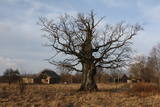 |
A small settlement with a school, library and shop. North from the Vidale are visible remains of the windmill. Going towards the Gulf of Riga, the road crosses Shlitere Zilie mountain precipice with spectacular views during late autumn, early spring and winter, when there are no leaves on the trees and sandstone outcrops. To the left you can see Zilie mountain spring - a landscaped water taking place. Road that runs from the Vidale to Melnsils side, is called by the locals Knipeldambi. They say that it was built by the German army first During World War I, putting logs on the road and covering them with sand. |
|
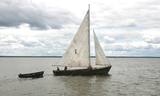 |
Kale is a traditional wooden sailing ship for trawling nets on Lake Võrtsjärv, but its graceful appearance with two triangular sails often inspired pleasure trips too. Võrtsjärve Foundation supported the building of the ship Paula, completed in 2005 and Liisu in 2009. Trips aboard a kaleship are a genuinely memorable experience. |
|
 12 days
|
The duration of this route is 9 days with an option to extend it for 12 days. The target audience for this route - independent travellers with transportation like bicycle and canoe boat. The total length sums up to ~ 446 km cycling and ~ 7 km canoeing. Itinerary: Rīga - Gauja National Park - Otepaa - River Ahja - Tartu - Lahemaa National Park - Tallinn. |
|
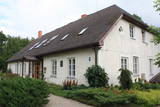 |
All that remains today is the governor’s house in which the Latvian author Rūdolfs Blaumanis (1863-1908) lived from 1885 until 1887, and a stable built of fieldstones. The Central Daugava Forestry Centre of the Latvian State Forests company is located in the building. The stone gates of the
|
|
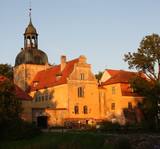 |
The Lielstraupe Castle is the only building in Latvia which contains a Medieval castle and a church. Work on the castle began in 1263. The building suffered great damage during the 17th and 18th centuries, as well as during the riots of 1905. The complex was restored in 1909 by the architect Wilhelm Bockslaff. There are several artistic monuments in the church – the organ loft from the 17th century and the pulpit paintings of the 18th century. In 1944, two stained glass windows produced by the artist Sigismunds Vidbergs were installed at the church – Golgotha and Birth of Christ. The tower contains a clock produced by a local clockmaker, and there is a sun dial on the wall of the church. Visitors to the park of the castle will see the wooden bell tower which dates back to 1744. A memorial plaque to men who fell during World War I and Latvia's liberation battles was installed in the church in 1938. A drugs treatment hospital was installed in the castle in 1963. The church is open during worship services, and the rest of the complex can only be viewed from the outside. |
|
 |
This farm is run by a young family which left the hurly-burly of
|
|
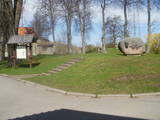 |
This site has a commemorative stone which speaks to Krišjānis Valdemārs’ achievements in the development of the Latvian state. This used to be the location of the Roja or Lubezere maritime school, and the home for teachers is still there. A private medical practice is in the building right now. The maritime school existed from 1873 to 1915 and was wrecked during World War I. The school trained helmsmen for short-distance trips. Tuition was free, and classes were taught in Latvian. Latvian sailors were known in Russia and abroad, including the Americas. They were respected for their serious approach to their work, their honesty and their loyalty. (Source: Roja TIC) |
|


