
| No | Name | Description |
|---|---|---|
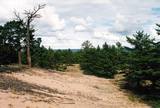 |
This is a forested island in the Bay of Finland which is the 6th largest Estonian island and is found 14 km to the N of Tallinn. Two decades ago it was a closed zone, because the Soviet Union had a highly secretive manufacturing plant for maritime mines here.
|
|
 |
There’s hardly anything left of the zenith missile base which once stood here for the purpose of protecting the western boundaries of the USSR – even specialists would have a hard time finding the location.
|
|
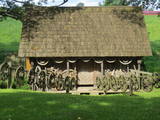 |
Saimnieks Valentīns Kuklis savā viensētā izveidojis no koka un citiem materiāliem un vēsturiskiem priekšmetiem veidotu brīvdabas kolekciju, kas savākta g.k. no Latgales lauku sētām. Daļa no vēsturiskajiem priekšmetiem ir izvietota saimnieka veidotā muzejā. Piedāvā ekskursiju un stāstījumu par savāktajiem darbarīkiem un sadzīves priekšmetiem. |
|
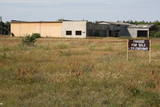 |
The job for the No. 15 Radio Technology Brigade at Saraiķi was to defend Soviet Latvia’s shoreline back in Soviet times. Today the facility is owned by the Defence Ministry, and the No. 17 Home Guard Battalion uses it for training purposes.
|
|
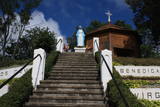 |
Находится в 50 м к западу от Лудзенской католической церкви. Построена в 1738 году в форме восьмиугольной ротонды и служила местом отдыха графов Карницких. Небольшое здание с дощатой обшивкой, деревянным потолком и кирпичным полом. Возле капеллы установлена скульптура Девы Марии (1934 г.) работы лудзенского художника Леона Томашицкого - королевы земли Мары. |
|
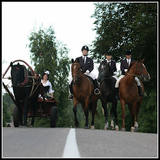 |
Kalnbundas offer possibilities for active rest – horse-back riding and horse riding. |
|
 |
33,5 m augstais tornis tikai nedaudz paceļas virs priežu galotnēm. Tas meklējams Dzintaru mežaparkā, kas ir ģimenēm ar bērniem draudzīga vieta. No torņa redzami Jūrmalas meži, augstākās ēkas (sanatorijas, viesnīcas) un Rīgas jūras līča ūdeņi. |
|
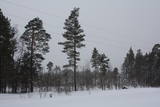 |
Between Saunags and Vaide on the road to Kolka, you will see an area on the left (South) side of the road where there was a massive forest fire in 1992 which burned approximately 3,300 hectares of forest. Biologists use the area to study the regeneration of the forest. There were extensive and destructive fires here during the early 20th century, as well. Swedish scientists say that there have been at least 15 fires in the forests of Šlītere over the last several centuries. The burned area is in a nature reserve and can only be viewed from the road. |
|
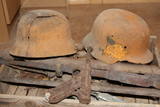 |
In 1944, between November 14 and December 9, there were fierce battles between SD and SS units from the German 16th Army, under the command of Police General Friedrich Jekeln, and a separate battalion of the Kurelians, under the command of Lt Roberts Rubenis. The battles were waged in the Ugāle, Usma, Renda and Zlēki parishes. Rubenis’ men were well-armed and organised. There were more than 600 troops, and the soldiers saw themselves as a national force which stood apart from the two hostile occupant regimes. This was the longest and most extensive battle in the history of Latvian national resistance. As the military force of the Latvian Central Council, the unit enjoyed extensive public support and confirmed a high level of morality in fighting for the restoration of a democratic Latvia. (The preceding text comes from the Rubenis Fund.)
|
|
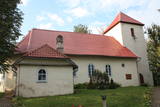 |
Celta ~ 1560. g. vietā, kur agrāk atradusies Sakas osta. Dievnamā apskatāms > 170 gadus vecs kuģa modelis. Vietējie ticēja, kas tas aizsargā jūrniekus un bojāejas. Šāda tradīcija Latvijā ir novērojama tikai dažās baznīcās. Baznīcu var apskatīt arī no iekšpuses. |
|
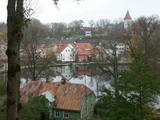 |
The historical centre of Talsi, which is known as the town of nine hillocks. The historical construction around Baznīckalns hill, Lake Talsi and Lake Vilkmuiža mostly dates back to the 19th century. Lielā Street is particularly beautiful with its low-rise buildings (two or three floors and ridged roofs). There are beautiful views from the area around Lake Talsi and Ķēniņkalns hill. |
|
 1 day
|
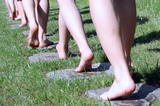
The Barefoot Path begins at the Valguma Pasaule Recreation Centre by Lake Valgums, which is surrounded by forest. The recreation centre includes a hotel and restaurant, and offers nature-based services such as the Barefoot Path and other walking trails. The Barefoot Path is a 2.6 km long trail through the natural environment, along which visitors walk barefoot and experience a variety of surfaces including pine cones, glass balls, small stones and shingles of various shapes, moss, fine sand, clay, river water, turf, gravel, reeds, chipped wood, pinewood logs, wooden poles and millstones. Walking barefoot has a number of positive health effects: it strengthens the immune system; it improves blood circulation and stabilises blood pressure; it strengthens the leg and foot muscles, joints and ligaments; and it enhances relaxation, and aids mental and physiological stability. The walk is led by an English-speaking guide. Before the walk, visitors receive a briefing. It is recommended that visitors wear comfortable outdoor clothing, appropriate for the weather. After walking the barefoot path, visitors usually feel energised, strong and happy. The walk finishes with a relaxing herbal foot bath. |
|
 16 days
|
This long-distance tour follows the Baltic Coastal Hiking Route from the Lithuanian coast, starting on the island of Rusnė and continuing to the Curonian Spit, running along the Baltic Sea coast to Cape Kolka and finally reaching Rīga. On this route you will hike some sections of the Baltic Coastal Hiking Route and experience the diversity of coastal landscapes: rocky beaches, steep shores, overgrown beaches, bird migration sites, vast sandy beaches. You will walk on solitary beaches with no-one in sight for several kilometres just to suddenly find yourself in lively resort towns. There are both sections of hiking and bus transfers along the route. Initially you will visit the peculiar island of Rusnė with its bird migration sites, observation towers and the delta Crossing the Lithuanian/Latvian border on foot you will stop over at the Pape Nature Park and enjoy its lighthouse, wild horses, the authentic fishermen village and local museum. The walk on lone beaches takes you to the top of the highest dune in Latvia – the Pūsēnu dune – and afterwards continues to reach the village of Bernāti. Next on the route is the windy seaside city of Liepāja, also known as the Latvian capital of rock music. Karosta is another distinctive site in Liepāja – it is the former military town and nearly every street of this part of the city has some footprints of its military heritage. Heading further, your feet will take you through the solitary beaches of Ziemupe to the village of Pāvilosta. If you are lucky, you might find some ambers washed ashore. Pāvilosta is a small charming village with a marina and some notes of smoked fish lingering in the air. Moving on, from Ventspils through Slītere National Park, through the Livonian fishermen villages to finally reach the Kolka Cape – the meeting point of the Baltic Sea and the Gulf of Riga. Also, a top site for bird watching. At the end of the tour, the Baltic Coastal Hiking Route leads to Engure Nature Park, meandering through reed trails running between the villages of Mērsrags and Engure. The tour ends in Jūrmala with its wide sandy Beaches, the bustling urban life of a resort town, impressive villas and summer cottages, and the Ragakāpa Nature Park in the resort’s neighborhood Lielupe. |
|
 3 days
|
Это один из 6 маршрутов путешествий в серии «Насладитесь деревней!», который приглашает Примерное время прохождения маршрута: четыре – пять дней, в зависимости от количества выбранных достопримечательностей и времени, отведенного для их осмотра. |
|
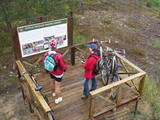 |
Lietuvas lielākais sūnu purvs, kura aizsardzības nolūkā ir izveidots Čepkeļu dabas rezervāts (Čepeklių gmatinis rezervatas). Tas izvietojies starp Dzūkijas nacionālā parka dienvidaustrumu daļu un Baltkrieviju. No Marcinkones pa smilšainu meža ceļu (~ 9 km turp - atpakaļ) ar kājām vai divriteni (arī nelielu tūrisma autobusu līdz 20 vietām) var nokļūt līdz purva malai, kur mežainās kāpās un purvā izveidota 1,5 km gara dabas taka un skatu tornis, no kura labi pārredzama purva rietumdaļa. Pirms došanās uz Čepkeļu purvu, ir jāreģistrējas Dzūkijas nacionālā parka apmeklētāju centrā (Šilagėlių gatve 11), kas meklējams aiz dzelzceļa pārbrauktuves. Te apskatāma neliela nacionālajam parkam un rezervātam veltīta ekspozīcija. |
|
 |
The largest city near the Liv Coastline, where visitors will find the Ventspils branch of the Liv Association and the Liv ensemble "Rāndalist." In nearby Tārgale are the Liv ensembles "Kāndla" and "Piški kāndla." |
|
 |
This is one of two sanatoriums in Jūrmala where mud from the surrounding area is used for medical procedures. The Jūrmala Spa Museum of History was opened here in 2009, and it offers interesting information about the history of the spa and the sanatorium. You will see historical photographs and medical equipment from the 1970s and 1980s. Guides will tell you all kinds of interesting information. |
|
|
13 days
|
This tour can be done with your own or rented car and it includes driving, some hiking parts and transfers with the public transport. This grand Forest Trail and Baltic Coastal Hiking Route tour includes some of the best and most beautiful parts of the Forest Trail and Baltic Coastal Hiking Route in Lithuania and the southern part of Latvia. Hikes are combined with trips and excursions in cities, as well as other popular tourist sights in both countries. You will get a detailed impression about the forest diversity, coastal landscape and most popular national and regional nature parks in Latvia and Lithuania.
At the end of the tour you will go for a 1 day hike in Kurtuvėnai Regional Park which is one of the most forested areas in Central Lithuania with very pronounced glacier-shaped terrain forms spread in the Eastern Žemaitija Upland. |
|
 |
Viengadīgo krāšņumaugu, ēdamaugu dēstu audzēšana. Dažādu krāsu un formu tomātu audzēšana segtajās platībās. Ar 2021. gadu tomātu pārstrāde - sulas un pulvera ražošana. |
|
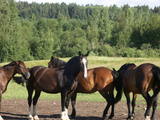 |
The farm has a herd of horses and buys horses which confirm to historical demands related to breeds of animals. You can learn to ride a horse in the company of an instructor and in a limited area. During the summer, there are cart rides, while in the winter there are sleigh rides. The horses are also used for weddings and other ceremonies. |
|


