
| No | Name | Description |
|---|---|---|
 |
Take a tour of this lovely plant farm, which has more than 3,000 types of plants, including a wide range of water plants. You can purchase plants and receive consultations on growing them. |
|
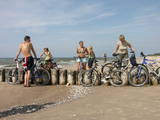 |
The most important aspects of this park are a shallow lagoon-type lake – Lake Pape, with its flood land meadows, the shore of the Baltic Sea, the Nida swamp, and the more than 270 different types of birds that have been spotted here. The oldest bird ringing station in Latvia (est. 1966) is found between Lake Pape and the Baltic Sea. Birds and bats are caught and ringed there. Lake Pape is the first place in Latvia where so-called “wild” horses (the “Konik” breed) were released with the aim of managing the flood land meadows.
|
|
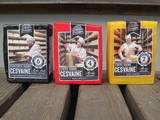 |
There are ancient cheese-making traditions in Cesvaine, where the Cesvaines Dairy was established on the basis of the historical Cesvaine Estate dairy operation. The company produces butter, cottage cheese, cheese, home cheese and soured cream. The “Pie Arkas” store that is alongside the dairy sells those products. |
|
 |
Located in Obinitsa Village, open daily in the summer, please book in advance in winter. White bread and rye bread baking masterclass with natural yeast preparation. The café bakes brown country bread, bread with seeds, various white breads. |
|
 |
In Pärnu Farmers’ market you can buy produce of Pärnumaa and other small manufacturers of the region, as well as freshly baked bread and confectionary. |
|
 2 days
|
Маршрут предусмотрен для путешественников, которых привлекает большой и частый перепад рельефа, а также для тех, кто жаждет увидеть и на себе испытать впечатляющие берега глубокой древней долины Аматы, передвигаясь по мало тронутым лесным тропам. Тропа, проложенная на правом берегу реки, петляет как по нижней, так и по верхней части долины, поэтому местами необходимо преодолевать перепад высоты более чем 40 метров. Maršruta informācija no Latvijas Lauku foruma |
|
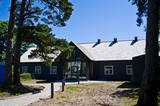 |
Livonian Community House at Kolka was opened in 2019. It is a place where you can get to know the Livonian culture of Northern Kurzeme, learn about traditional activities, listen to the sound of the language, and get an idea of the cultural and historical heritage of the coast. In House you can organize and attend cultural events, seminars, trainings, exhibitions, and also receive tourism information. |
|
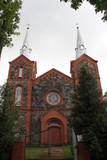 |
Dievnams celts no šķeltajiem laukakmeņiem un sarkanajiem ķieģeļiem laikā no 1894. - 1909. g. Tajā saglabājušās vecās koka baznīcas iekārtas un 18. gs. sākumā veidots cilnis “Svētais vakarēdiens”. |
|
 |
Atrodas uz Imulas upes un celtas 19. gs. sākumā. Uz dzirnavu vārtu staba redzama tēlnieces D. Ezergailes veidota pūce. Pūces dzirnavās savulaik uzņēma pazīstamo latviešu mākslas filmu Likteņdzirnas.
|
|
 |
This farm is engaged in dairy farming and rearing chickens; the obtained eggs and milk is processed in its very own dairy plant. You can taste various dairy products, including ice-cream in the farm, and also get to know the entire production process. You can also order meals for a picnic and apply for a dairy product masterclass. |
|
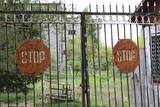 |
The first Dnyestr-M radar station was opened here in 1969 to calculate the trajectories of ballistic missiles. The trajectories of satellites were also calculated here. The range of the radar station was 5,000 km. In 1972, construction began on a second, more modern radar, the Dnyepr-M. In 1977, it was ready for use, and the first radar was modernised at the same time. The two radars were located in buildings that were 250 m long and 17 m high. During a 24/hour period, they could identify the height, speed and flight trajectory of up to 750 space objects. In 1985, work began on a third, even more modern radar – the Daryal-YM. This was a radar that could “peek” across the horizon. The antenna building was 117 m high (19 stories), 80 m long and 80 m wide. It had a planned range of 6,000 km, but it was not completed. After the withdrawal of the Russian army in 1995, the building was blown up. That cost LVL 6,172,311 and used up 360 kg of explosives. The territory of the radar stations took up 1,072 hectares, with barracks, a hotel, 551 apartments, a medical facility, a water tower, a war hospital, a bomb shelter, etc. The aim of the facility was to monitor space above Western Europe and North America, as well as to “intercept” any ballistic missiles that were fired at the USSR. The territory is closed to visitors, but it is an important part of Latvia’s military heritage. The abandoned territory can be viewed from the outside. The nearby bus stop is called “Kombināts.” This was the only facility of its kind in the Baltic States. !!! Since March 2018 the Skrunda army base is closed for visitors. |
|
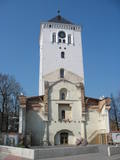 |
The most significant period for the town is the time from 1561 to 1795, when the Jelgava district is a part of the Duchy of Courland and Zemgale. When Jelgava obtains the status of residence of the Duke of (1567t) and becomes the capital of the Duchy (1616) a rapid urban development begins, which is highest of during the reign of Duke Jacob. During the reign of last two Dukes of Courland - Ernst Johann Biron and his son Peter (1775) St. Peter's Academy (Academia Petrina) - the first Latvian Institute is founded, in 1816 is founded Courland Society of Literature and Art, in 1822 the first newspaper in Latvian "The Latvian newspaper" is published, in 1802 the first Latvian theatre building is built, but in 1898- the first building intended for museum. In 1937 Latvian agriculture camera is located in the Jelgava palace, but after two years Jelgava Agriculture Academy is opened. Nearly all the town's historic buildings and art treasures perished in the summer of 1944. After the World War II, Jelgava was rebuilt. Recently the Trinity Church tower has been restored, in which now is located one of the best Latvian interactive museums (very friendly for families with children). |
|
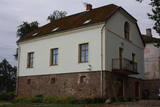 |
Krogus un Brengūža ezeru un Drustu parka ieskāvumā samērā plašā teritorijā „izmētātas” Drustu muižas ēkas. Muižas kungu māja celta 1787. g. Līdz mūsdienām dažādā stāvoklī ir saglabājusies pārvaldnieka māja (19. gs.), klēts (ar kolonnām), krejotava, brūzis, smēde, magazīna, sķūņi u.c. ēkas. Muižas Kavalieru namā ierīkots viesu nams. Interesanti, kāda izskatītos Latvijas lauku ainava, ja tajā šodien nebūtu saglabājušās muižu kompleksi, kas tiek izmantoti vēl joprojām? |
|
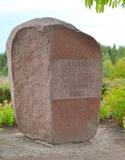 |
The stone is in the small village of Vasiļova, which is along the Daugavpils-Rēzekne (A13) road. The Vasiļova Semi-Estate used to be leased by the father of the great Latvian playwright Rainis, Krišjānis Pliekšāns. |
|
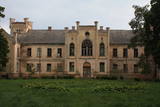 |
A very impressive ensemble that is in terrible shape. The estate dates back to the 18th and 19th century, with the castle being built in the early 19th century. Half a century later it was rebuilt in the Neo-Gothic style with symmetrical towers and bricks in the cornices. The estate belonged to the Manteufel-Stzege dynasty. The vestibule, stairwell and second floor hall still have ornamental ceiling paintings, but visitors are not allowed to enter the building, so they cannot be seen. Valuable interior design elements include a fireplace from the early 19th century that is decorated with marble elements. After the expropriation of the castle in 1920 and until 1951, the building housed a forestry school and then an agricultural crafts school. Opposite the castle was the stable of the state that was built in the style of Classicism with a pediment and mighty columns. Built in the early 19th century, the stable is no longer used and can only be viewed from the outside. A very much overgrown park surrounds the complex, and the hillock is the grave of one of the baron’s dogs.
|
|
 |
The forest covered area formed to protect tort protected plant species as yew-tree etc. Territory is not suitable for visitors as visitor without environmental knowledge will see “regular” forest.
|
|
|
|
Only indirect evidence of the former tank base that was here is still available (see the story).
|
|
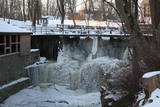 |
Atrodas pie Kuldīgas pils dzirnavām, kur straujā Alekšupīte pirms ietekas Ventā izgrauzusi dziļu „kanjonu” dolomītā. Šo dēvē par vienu no augstākajiem Latvijas ūdenskritumiem (4,15 m). 17. gs. ūdenskritumu ievērojami pārveidoja – paaugstināja un nostiprināja, lai Alekšupītes straumi izmantotu dzirnavu darbināšanai. Upītes kreisais krasts ir labiekārtots. |
|
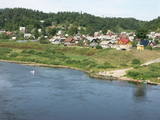 |
An ancient Latgalian settlement. During the 10th century Kraslava district was under authority of the Prince of Polotsk, but the 13th century - under the authority of the Livonian Order. Until the beginning of 18th century it existed as a manor centre. In 1729 Kraslava was bought for 1400 thalers by Johan Ludvig Plater. Plater family ruled Kraslava for two centuries. In the of the18th century Platers began construction of Krāslava palace. After first division of Poland in 1772 Latgale was annexed to Russia. Kraslava began to perish. After construction of Riga - Daugavpils - Vitebsk railway (1865) economic life flourished again. Kraslava was little affected by the World War II, therefore, early wooden buildings of 20th century remained almost untouched. |
|
 |
This park was established to protect Lithuania’s longest lake, Lake Asveja (> 20 km). The lake is in a sub-glacial valley carved out by ice during the Ice Age, and it actually resembles a wide and curvy river.
|
|


