
| No | Name | Description |
|---|---|---|
 |
A cosy café in the centre of Liepāja. Offers coffee, delicious cakes and great food. Every morning at around 5 a.m., the croissant master starts to work in order to have fresh croissants ready to serve for 9 a.m. |
|
 |
Находятся в 100 м к юго-востоку от Приекульского замка. Символ Приекуле, изображенный на гербе города. Ворота (1688 г., отреставрированы в 1954 г.) служили в качестве сторожевой башни сквозных ворот Приекульской господской усадьбы, где проводился досмотр торговцев (таможня), отправляющихся или приезжающих из Литвы. Интерес представляет родовой герб баронов Корфов выполненный в XVIII веке из голландского песчаника, с серебряным ядром и своеобразный маскарон в центральной части фасада. Во времена баронов в нишах по обеим сторонам стояли двухметровые, выполненные в камне, грозного вида фигуры стражников - солдат. Сегодня на их месте стоят деревянные фигуры стражников. |
|
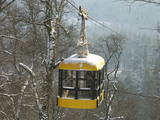 |
The aerial tram across the Gauja is the only vehicle of its type in the Baltic States. It was installed in 1969 with the help of engineers from Georgia. The crossing is 1060 m long, and the cable which crosses the river is just one cable without any supports. The tram rides about 40 metres above the river, and it offers an outstanding look at the local landscapes. During the evening, the tram is used by Bungee jumpers. |
|
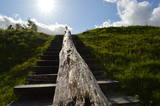 |
One of the biggest castle hills in Estonia, which is surrounded by walls built of stone. It is mentioned in Livonian Chronicle of Henry as one of the best fortifications at that time. |
|
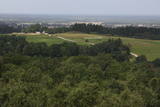 |
The wooden tower was built and stands 28 metres high. It is at the top of the highest hillock of the Northern Courlandian Highlands – Kamparkalns Hill (175 metres above sea level). The tower offers one of the loveliest views in the region of the hillocks of Talsi. On a clear day, you can see all the way to the Bay of Rīga and Talsi. |
|
 |
Bioloģiskā saimniecība, kas atrodas blakus Rūjienas pilskalnam un Rūjas upei, gatavo bio sierus no kazas piena. Tiek piedāvāta ekskursija pa saimniecību ar iespēju atpazīt dabīgās pļavas augus un degustēt produkciju, ko iegūst no pļavām upes krastos. SieriDažādi kazas piena sieri: Svaigais kazas siers, Svaigais kazas krēmsiers ar ķiplociņu, Svaigais kazas siers ar kaņepēm, Kūpināts kazas siers, Kazas siers eļļā ar grauzdētām kaņepēm. Kā top siersSiers tiek gatavots no tikko slaukta kazas piena, to karsējot. Ganot kazas un ievācot sienu ar lielu augu sugu daudzveidību, piena produkti iegūst izteiktāku un intensīvāku garšas buķeti, lielāku neaizvietojamo taukskābju un antioksidantu daudzumu. ApmeklētājiemIespējams iepazīties ar saimniecību un kazu dzīvi, nogaršot kazas piena produkciju un baudīt brīnišķīgo dabu, ko sniedz Rūjas upe un pilskalns. Kur iegādāties sierusSaimniecībā uz vietas. Valmieras REKO zemnieku tirdziņā un Slow Food Straupe tirdziņā. Valmieras, Rūjienas un Mazsalacas pilsētas svētku tirdziņos. |
|
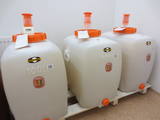 |
The farm produces homemade wine made of rhubarb, birch juice and apples. Tour the winemaking facilities and examine the process. You can taste and purchase products. |
|
 |
Atrodas Inciema centrā. Piedāvā maltīti visām ēdienreizēm. Lielas porcijas, garšīgs ēdiens. Iecienīta tuvākas un plašākas apkaimes maltītes ieturēšanas vieta. Klāj galdus. |
|
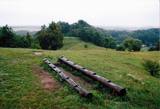 |
In the central part of the Žemaitija Highland, this park was established to protect local landscapes. Lithuania’s highest hillocks are found here – Mėdvegalis (235 m above sea level) and Šatrija (229 m). There are also other hillocks which offer a great view of the area – make up your own tour here.
|
|
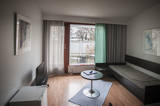 |
Motel Marine is located close to the centre of Ekenäs and is a minute's walk away from the beach. Here reception works 24 h and is always ready to help you. This motel offers different kinds of rooms starting with single rooms to big family rooms with kitchen included. All rooms have their own entrance. There is also a restaurant and sauna in the motel. |
|
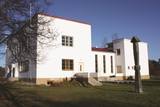 |
The Liv People’s Centre – a building erected in 1939 which represents the identity
of the Liv people and houses a photographic exhibition devoted to the Liv people.
|
|
|
|
Opekalns (arī Apukalns, Opekols) ir paugurs Alūksnes augstienē, 235 metrus virs jūras līmeņa, Veclaicenes pauguraines viena no augstākajām virsotnēm. Tā virsotnē uzcelta Opekalna luterāņu baznīca (1774—1779), kas ir visaugstāk virs jūras līmeņa novietotais dievnams Latvijā. Opekalna ciemā dzimis leģendārais Dziesmu svētku virsdiriģents Haralds Mednis. |
|
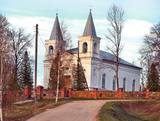 |
Sts. Simon and Judas Roman Catholic Church of Dricāni was
built in 1859 on the top of the hill. There is the wooden altar of the Holy Spirit, decorated with woodcarvings, wooden statuettes and the icon of Simon and Jude.
|
|
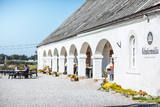 |
Located in the northern part of Valmiera, the Valmiermuiža Estate mansion (Neo-Baroque Style) was built between 1764 and 1771 by Prince August Friedrich of Schleswig, Holstein and Soderburg. Over the course of time it has been owned by other people. According to modern evidence, the mansion was a one-story building with a Baroque tower and a two-story addition in the early 20th century, which made it appropriate as a summer home and hunting lodge. The building burned down in 1918. Two years later, Valmiermuiža became a prison camp for captured soldiers. Later the addition to the mansion was restored and used as an elementary school. In 1936, the building became a prison, and it was once again a prison camp for captured soldiers during World War II. Later the building burned down again, and the ruins were removed. Still surviving is the Valmiermuiža tower, with ceiling paintings that are a cultural monument, as is the surrounding park. The Valmiermuiža brewery is alongside the historical monument, thus providing second wind for the whole region. |
|
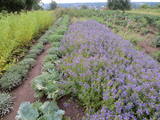 |
The farm is along the upper reaches of the Daugava Ancient River Valley, and it offers more than 100 types of plants, including decorative plants, herbs, medicinal plants and traditional Latvian farm plants. You can tour the largest field of so-called Northern kiwis in Latvia. Take a tour, purchase plants, taste teas, fruits and berries, and receive consultations from the owner. |
|
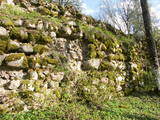 |
The Volkenberga Castle was built in the 13th century by the Livonian Order, and it was practically impregnable, as it was on top of Mākoņkalns hill. These were among the first fortifications in Latgale, and only fragments of the castle remain today. Architect Pēteris Blūms has said that this was a special type of fortification. Legends say that after the lord and lady of the castle died, the property was divided up among their three daughters – Roze, Lūcija and Marija. Each sister built a new castle on the land which she inherited – Roze built Rēzekne, Lūcija built Ludza, and Marija built Viļaka. A memorial plaque at the foot of Mākoņkalns hill recalls the visit which pre-war Latvian President Kārlis Ulmanis paid to Latgale in 1938. |
|
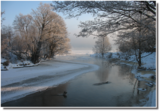 |
Starpiņupīte is an artificial canal
between Lake Kaņieris and the Bay of
Rīga. It helps to regulate the water level in
the lake with a system of locks. This is a
fine place for birdwatching in the spring
and autumn. From the sea, the location
can be identified via the place where the
little river flows into the sea.
|
|
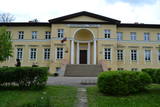 |
Tāšu – Padures muiža (Tasch – Paddern) celta 19. gs. sākumā kā Korfu dzimtas pils, kas 1852. gadā pāriet Keizerlingu dzimtas īpašumā kā medību pils, kas kalpojusi kā vasaras mītne, un ir izcils vēlīnā klasicisma paraugs. Iekštelpās saglabājušies vairāki senā interjera apdares fragmenti. Pēc pils pabeigšanas, ap to sāka veidot vairāk kā 10 ha lielu parku ar svešzemju kokiem. Šobrīd muižas ēkā atrodas Kalvenes pamatskola. |
|
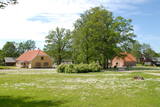 |
The Turaida Museum Reserve is found at the place where the deep gullies of a number of small streams split up the right bank of the ancient Gauja River valley. The Turaida Museum Reserve features monuments of Baltic importance, and their history dates back more than 1,000 years. Among the treasures are the Turaida Estate (21 buildings), the grave of the Rose of Turaida, the Turaida Lutheran Church (one of the oldest wooden churches in Latvia, 1750), and the Turaida Castle. Nearby is Folk Song Hill, where various thematic events are organised. |
|
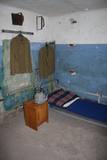 |
Viens no parka neparastākajiem vēstures objektiem, kas apvīts ar daudzām leģendām un noslēpumiem, par kuriem vēl joprojām nelabprāt izsakās ar to saistītie cilvēki. Zināms, ka bāzi laikā no 1960. – 1962. g. ļoti stingrā slepenībā cēla ~ 10 000 kareivji no citām padomju republikām. Pazemes ejas bija būvētas tā, lai pa tām varētu pārvietoties tikai maza auguma cilvēki. Zem zemes atradās 4 šahtas, no kurām varēja palaist vidējā rādiusa ballistiskās raķetes R – 12 U ar kodolgalviņām. Blakus atradās apkalpojošā personāla telpas, elektrības ģenerators, sakaru centrs u.c. Līdz 2010. g. bāzi varēja apskatīt vietējā gida pavadībā. Tagad to rekonstruē un 2012. g. plāno atklāt Aukstā kara muzeju. Bāze atrodas austrumos no Plateļu ezera, liela meža masīva vidū. |
|


