
| No | Name | Description |
|---|---|---|
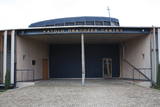 |
Atrodas Ganību ielā 120. Celta (iesvētīta 2001. g.) mūsdienu modernās arhitektūras formās un interesanta ar faktu, ka sākotnēji bijusi Vatikāna paviljons Pasaules izstādē “Expo 2000” Hannoverē. To pārbūvēja un uz Liepāju pārcēla par Vācijas katoļu saziedotajiem līdzekļiem. Ēkā darbojas katoļu draudzes centrs. |
|
 |
Liepājas novada zaļā produkta, kultūrvēsturiskā mantojuma, seno lauku tradīciju saglabāšana un popularizēšana pilsētvidē. |
|
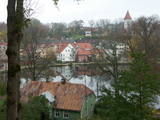 |
The town of Talsi is known as the “town of the nine hillocks,” and it is worth touring the location on foot. You’ll find the best views from the Talsi castle hill (views of Lake Talsi and Ķēniņkalns Hill), Sauleskalns (Lake Talsi, the castle hill, Ķēniņkalns Hill), and the hiking trails of Ķēniņkalns (Lake Talsi, the castle hill, the historical town centre).
|
|
 8 days
|
If you enjoy an active lifestyle, then this tour is the perfect way to enjoy the heritage hidden in Gauja National Park, from several different perspectives. Cycling starts at Strenči and passes two local breweries at Brenguļi and Valmiermuiža with nice cafés and good beer. You will hike through beautiful forests and along the Sietiņiezis sandstone cliff towards Cēsis with its charming medieval Old Town. Canoeing takes place from Cēsis to Līgatne, which is one of the nicest parts of the River Gauja with its sandstone banks, remote farmsteads and old fashioned water-powered ferry. Līgatne historic centre is connected with the development of its paper mill. Here you can also visit local wine and handicraft producers located in one of the artificial caves typical of the area. Walk the Līgatne Nature Trails to see local wild animals in a forest setting. At the end you will cycle from Līgatne to Sigulda, which is one of the most popular tourist sights in Latvia. You'll see the Turaida and Sigulda medieval castles, Gutman’s Cave and other picturesque views. |
|
 |
Atrodas 0,9 km no Jaunpiebalgas muižas pils, Jaunpiebalgas centra virzienā. Redzot šo ēku, nav jāpārliecina, ka tā ir viena no garākajām Vidzemē. Tik gara, ka grūti pat „iedabūt kadrā”. |
|
 |
Pitas ir pēc inovatīvas žāvēšanas tehnoloģijas radītas augļu, ogu un garšaugu garšvielas, kuras ražo mājražotāja Lorita Miķelsone. Mājražotāja labprāt ļaus nodegustēt un iepazīstinās ar Pitām jebkuru interesentu, uzņemot apmeklētājus Skaisto un praktisko ideju dārzā Dobelē. |
|
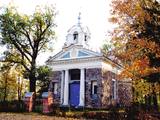 |
Kulnevskaya (Ilzeskalns) Orthodox Church was built in 1832 by Kulnevs, the landlord of Ilzenberg
(Ilzeskalns) manor house. He was also the brother of Jacob Kulnevs. The Church has an iconostasis with
icons of the 19th century. The rectangular building has semicircular niches at its sides. The members of Kulnevs
family are buried here. The place of tomb is a rare phenomenon in Orthodox churches of Latvia.
|
|
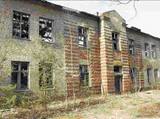 |
This was a coast guard facility with a zenith missile division, and it was meant to protect the outer border of the Soviet Union. At this time the Ventspils Naval Guard Battalion has an observation point at the location.
|
|
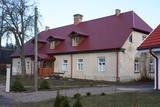 |
The estate owned by the dynasty of Baron Osten-Zaken was rebuilt in 1856 and 1857, because the old estate was sacked during the Crimean War (1853-1856). At the beginning of the war, British warships bombarded Latvia's shoreline and ships with the purpose of scaring the Russian tsar. Some of the gunfire hit Kolka, which was part of the Russian Empire at that time. After the estate was destroyed, the so-called White House was built there with a series of ancillary buildings. A mantel chimney was installed on the second floor, and it was used to smoke wild game (the chimney is still there). The estate belonged to the aristocrats until 1919, when its last owner, Christian von Osten-Zaken, was shot in Tukums. An elementary school, known as the Kolka School, was installed in the White House in 1929. It remained open until 1961, when a new school was built. Crafts lessons were offered at the building until 1989, at which time it was known as the Old School or the Small School. In 1991, the Old School was taken over by the Faculty of Biology of the University of Latvia, and it has been used for summer internships for students ever since 1994. |
|
 |
The main building of the grand manor Alatskivi has a restaurant serving local specialities. The rich history of the manor house connects Estonian peasant culture, Baltic-German culture and Scottish culture depicted in the manor's architecture. The restaurant menu combines these three values. Favourites of the guests are Peipus pike perch and pork chop, but many guests also love the surprising Scottish dessert and local onion jam. |
|
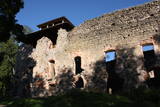 |
The ruins of the Rauna castle (which was built in 1262 and was a main residence of the Livonian archbishop) have a modern viewing tower which offers a view of the impressive castle walls, the place where the former Medieval city was located, and the centre of Rauna. The local government office has the keys to the tower.
|
|
 |
The farm makes goat’s milk cheese and other goat’s milk products. Goats, sheep, rabbits and domestic birds are bred here. You can purchase products by ordering in advance, excursions on the farm are organised during summer. |
|
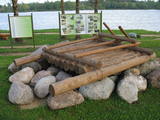 |
Plavinas and Stukmani region was inhabited already in the third century. During the Polish-Swedish War (1600-1629) at estuary of Aivekste in the Daugava River the Swedish war camp was formed, from which are preserved fortifications - bastions. They are one of the most impressive military formations of this kind in Latvia. Plavinas as a larger populated area started to develop in the nineties of the 19th century and in the beginning of 20th century after the construction of railway. Today Plavinas are more commonly known with dolomite production sites and spring flood area. |
|
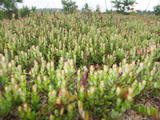 |
Large cranberries were first grown in the Laugas Swamp in Latvia in 1992. Today there are six types of cranberries that were originated in Latvia. Among them is a hybrid between large American cranberries and Latvian cowberries, and it is known as the noble cranberry. You can attend lectures, receive consultations, tour the swamp, and purchase cranberries, cranberry products, as well as purchase turf that is needed to grow your own cranberries. |
|
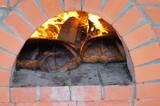 |
The farm uses ancient recipes from grandmothers to bake aromatic sourdough and rye bread on maple leaves, with the crunch crust being processed with flax oil. You can help to bake the bread and then taste and buy it. |
|
 12 days
|
This route includes some of the most authentic experiences that can be found in the regions of blue lakes in eastern Latvia and Lithuania. No masses of tourists are here, and local residents are sincere and hospitable. You will find traditional villages, many religious objects and farms that represent agricultural heritage. You will ride through the Rāzna National Park, which is alongside the lovely Lake Rāzna. You will visit traditional farms and ancient castles, as well as the Aglona Basilica, which has been a destination for pilgrims for many years. There is also a bread museum in Aglona. From there you will ride through Daugavpils, which has an impressive 19th century fortress that includes the Mark Rothko Art Centre. Along the way you will find potteries where traditional ceramics are offered. You will learn more about breeding horses and cows, as well as about how traditional cheeses are made and herbal teas are prepared. Next you will ride through the Aukštaitija National Park that is on the border between Latvia and Lithuania. You will see ethnographic villages with wooden castles, as well as many lakes. It is worth visiting the Stripikiai Beekeeping Museum, the local open-air art museum, as well as the European Centre. To be sure, you will enjoy local Lettigalian beer, as well as zeppelins, which are a traditional dish in Lithuania. |
|
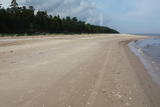 |
Ģipka is a village that once was the site of the first maritime school in Kurzeme. It was opened in 1869, just a few years after a similar school in Ainaži. This was a Category 2 maritime school, which trained helmsmen for long-distance trips and captains for short-distance trips. The school was moved to Mazirbe in 1894. Before the maritime school, the building housed a different kind of school, and a second floor was added in 1867 specifically for the maritime school. Today this is a residential building. During 28 years, the school trained more than 200 professional sailors, and it was of great importance in facilitating ship building in shoreline Liv villages. (Source: Roja TIC) |
|
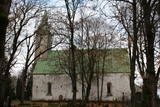 |
Vienīgā baznīca nacionālā parka teritorijā. Tā atrodas Kirblas (Kirbla) ciemā – uz neliela pacēluma, kas Baltijas ledus ezera laikā bijusi sala, kuru no visām pusēm ietvēris ūdens. Kirblas baznīcas pirmsākumi ir meklējami 16. gs. un par tās celtniecību saglabājušies dažādi interesanti nostāsti. Tas ir viens no mazākajiem Igaunijas dievnamiem (29 x 11 m). |
|
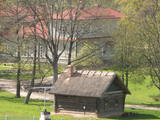 |
On the banks of Little Lake Ludza is a farm with a house, windmill, threshing barn and the workshop of the Lettigalian ceramicist Polikarps Vilcāns. Various events related to craftsmanship and culture are organised there. |
|
 |
This trail's purpose lies on the fact that herbal therapy is the oldest known system of medicine. Being outside, in fresh air, in nature affects our health positively. While hiking with a phytotherapist you will get to know more about the nature's wild herbs that can help our livelihood and also do some light exercises. If you want, you not can only walk the trail but also relax in a sauna or/and visit a workshop. |
|


