
| No | Name | Description |
|---|---|---|
 |
The museum set up in 1982 presents life and activity of the region from the late 19th C to the recent past. Temporary exhibitions are held in the barn and more than 200 species of trees and shrubs can be viewed in the parkland extending over 17 ha. Themed events include baking bread, celebrations of folk holidays are frequently arranged. From the museum visitors can access Velise cultural and natural heritage trail. |
|
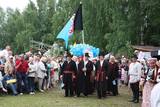 |
Mulgima or Mulgi is a cultural and historical region in the south of Estonia. The part of Viljandi county located south of the rivers Raudna and Tenasilma was considered to be region of Mulgimaa. In ancient times, Mulgi farmers were famous for their sharp minds and determination, which helped to buy land from German-Baltic nobles and become rich farmers. The icons of Mulgi culture - the dialect, the well-known men's long black jacket and the traditional Mulgi porridge - have survived to this day. |
|
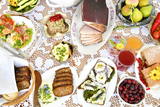 |
Guest house Pinska is a family-owned company located on the former Lõpinska country manor land. The food is prepared from local ingredients and according to local traditions. |
|
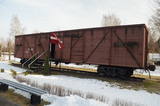 |
The wagon commemorates the 2,916 innocent people from Skrunda and the surrounding area who were deported to Siberia in cattle wagons. It is found at Stacijas Street 1 near the Skrunda railroad station. |
|
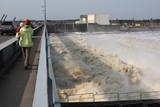 |
This is Latvia’s first major hydroelectric power plant, and construction along the right bank of the Daugava began in 1936. The plant was designed by the architect Eižens Laube. The first hydro-aggregate (17 MW of capacity as the largest plant in Latvia) was switched on in 1939. A second round of construction occurred between 1976 until 1979, the result being a new building on the left bank of the Daugava, increasing the capacity of the plant to 260 MW. Another round of reconstruction occurred between 1998 and 2001 on the left bank of the Daugava (the HES-2 plant). The Energy Museum is now there.
|
|
 |
Esko Farm is a family business which focuses on making dairy products from their own lifestock. Farm's products include yogurt ice creams, cheeses, yogurts and so on. It's possible to take a tour around the farm, get to know the animals as well as have degustation of the farm's products. |
|
 |
The Kemeri railroad station dates back to 1877,
when the rail line was opened. A train from Moscow
travelled to Ķemeri for awhile, and until 1920, there was
a tram leading from the train station to the beach at
Jaunķemeri. The station was destroyed during World
War I and rebuilt in 1922 (the architect was Artūrs
Medlingers). This was the first building in Ķemeri to be
erected after the establishment of Latvia’s
independence. The station building was rebuilt once
again after World War II. A bike rental facility is found
inside.
|
|
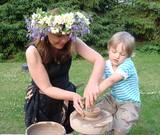 |
The craftswoman uses clay, rocks and other materials to produce dishware and various interior design objects, finishing them in an open kiln. Visitors can take an informational tour, watch the craftswoman at work, and sit down to produce their own cups. Guests are welcome to attend the opening of the kiln. |
|
 |
Taka izveidota 2005. gadā. Tā atrodas uz Lapmežciema un Bigauņciema robežas un izskatās kā koka dēlīšu laipa gar Siliņupi. Taka aizved līdz jūrai, kur apskatāms vecais Lapmežciema mols. Siliņupē novērojami ūdensputni. |
|
 |
In the Alatskivi historical ice cellar wine, herbal teas, various snacks, spicy vinegars and jams are made from fruits of local meadows and forests. In the cosy boutique you can taste and buy wines, teas and other local food souvenirs. If the group is bigger or you want to visit us outside of working hours, it is desirable to notify us about your arrival in advance. |
|
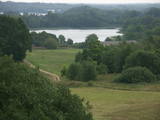 |
Latvia’s newest national park (2007) is in the “land of the blue lakes” – the region of Latgale. One of the goals of establishing a national park was to preserve the natural treasures of the region. Lake Rāzna, which is the second largest in Latvia, is there, as is Lake Ežezers, which has more island than any other lake in Latvia. There are other bodies of water, as well as typical landscapes of hillocks and a unique cultural environment. One of the most popular destinations in the park is Mākoņkalns Hill, which offers a lovely view of Lake Rāzna. Administrators of the newly established park are working on the tourist infrastructure – trails, routes, etc. Perhaps visitors would be advised to postpone their trip to the Rāzna National Park for awhile. |
|
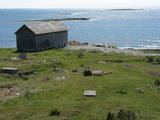 |
No Vilsandi bākas un tai tuvākās apkaimes ir labi saskatāmas leģendārās Vaikas salas. Tām ir piešķirts rezervāta statuss, tādēļ salas var apskatīt tikai no attāluma. Mazākā no saliņām - Kullipank ir tikai pārdesmit metrus diametrā. Tā ir jūras ūdeņu izrobots zemas un asas dolomīta klints fragments, kas klāts ar oļiem, nelieliem laukakmeņiem un kādu atsevišķi stāvošu lakstaugu. Domājams, ka vētru laikā tā pazūd zem jūras ūdens. Savukārt, Alumine Vaigas – Apakšējā Vaikas sala ir lielākā no sešām salām. Šīs salas diametrs ir ~ 150 m un tā paceļas vismaz kādus divus metrus virs jūras līmeņa. Uz salas ir bagātīga veģetācija un pat kāds zems krūms salas centrā. Redzami arī metru augsti atsegumi. Uz salas vēl joprojām atrodas 20. gs. sākumā celto „putnu māju” paliekas, kas bija domātas ligzdojošo putnu piesaistīšanai. |
|
 |
Wine production at Allikukivi takes place in the old servants’ house of the broadcloth factory director. Guests are welcome to taste a wide variety of drinks on the estate's balcony and explore the secrets of wine making, history of the manor and berry plantations. Manufacture of fruit and berry wines using Estonian recipes. |
|
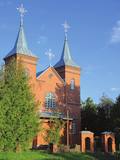 |
Holy Trinity Roman Catholic Church of Stoļerova. The construction
works of the church were finished in 1999 by the support of dean Butāns. The building is slightly larger than
the previous one; the newest (restored) church in Rēzekne district. The church has a specific icon of Our
Lady that was transferred from the chapel of Rozenmuiža.
|
|
 |
Kalētu muižas bijušais medību dārzs. Muižas laikos šeit ierobežotās platībās turēja meža dzīvniekus, kuru medības bija populārs muižniecības izklaides veids. Parkā uzmeklējams piemiņas akmens Krievijas imperatoram Aleksandram III, kurš šeit nošāvis briedi (irsi). No Kalētiem Latvijas teritorijā „ienāca” staltbrieži, kurus medību vajadzībām 1848. g. atveda no Vācijas. Parkā izveidotas takas un atpūtas vietas. |
|
 |
The wooden pathway which crosses the high swamp leads to the Teirumnīku swamp lake, which is right in the middle of the swamp. On the shores, there is a well-appointed place for leisure and relaxation. One can return to the starting point via a forest path. The trail is 800m long, and visitors will spend about an hour there. It is a part of the Tīrumnieki nature reserve.
|
|
 |
The owners are in the process of renewing a more than a hundred-year-old wooden barn, where they plan to organize creative workshops for young people, with the participation of a blacksmith, carpenter and other craftsmen. The owner teaches how to plat a paling. There is a possibility to get to know farm animals – rabbits, chickens, ducks, goats, etc. The house of useful arts is going to be opened in May 2014 |
|
 |
This is a site where you can try out ancient weapons – bows and crossbows (a reproduction of items from the 14th and 15th century), throwing an axe (replicas of German axes from the 13th century), and spears. Once you’ve learned how to handle those weapons, you can also forge a copy of a Medieval coin. You can try on copies of armoured caps and gloves and have your picture taken with a sword or battle axe. For larger groups, the enterprise will organise ancient sports and table games.
|
|
 |
The saloon is on the edge of the Murjāņi-Valka road (A3) and is easily recognised because of the building and various fairy tale characters in the yard. Latvian cuisine: Cold soups (beet, bean, sauerkraut, sorrel), roast leg of pork, blood sausage, pork ribs, berry dessert with toasted oats, stacked rye bread. Special foods: “Fiery Soup of the Ragana Kitchen”. |
|
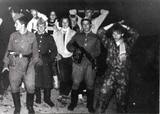 |
The Soviet Border Guard arrived at Lapmežciems (its border with Ragaciems) in the mid-1960s and left in 1991. Some 50 military personnel were stationed here. The military personnel and local residents organised various events and celebrations. The only thing that worried locals was a radar which was said to cause various problems. The zenith missiles were dismantled and taken away in 1991. An apartment building is still on what was then the military base. |
|


