
| No | Name | Description |
|---|---|---|
 |
The café is in the Oga shopping centre, offering cheeses that are the “business card” of the city. |
|
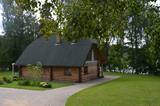 |
The holiday houses are located near Lake Ieva, 30 m from the lake shore. On the 1st floor of the holiday house - lounge with fireplace and glazed veranda, sauna (50.00 EUR / evening), small kitchenette, toilet. Outside-small terrace overlooking the lake. On the 2nd floor there are 2 isolated rooms and 10 beds. By the lake - a fireplace, a well-groomed swimming area with a footbridge. Boats and catamarans can be rented. |
|
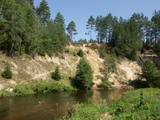 |
This territory is Lithuania’s most forested area, and people here have always lived in accordance with nature. Local treasures include berries, mushrooms, honey, clean water from streams and rivers, etc. People here have engaged in various crafts, as well as in beekeeping.
|
|
 |
The History Centre Wittenstein is located in the Livonian Order castle on the rampart hill in Paide, where a time machine lift transports visitors through historic events and periods. The trip covers the period from 10,000 BC to the present day. The Centre uses lots of sound and light effects, video programmes and illusions. |
|
 |
Medinski Vincīši boulder also called Magoņkalns (Poppy hill). Red rapakivi granite boulder is found
in the tree cluster only 40 m to the left of Jaunviļāni – Medinski road and about 40 m from the right side of
the river Malta. The boulder is 6,6 m long, 5,4 m wide and 3,3 m high. The circuit of the boulder is 20 m
and the volume 40 – 45 m3.
|
|
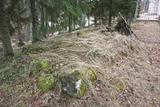 |
A place fraught with many legends and ghost stories about the old burial mound at the church of Mazirbe, an ancient tomb covered by stones– the only known grave of warewolves in Latvia. |
|
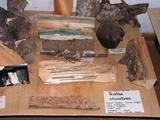 |
The Lejas Kleperi farm straddles the boundary between the Cēsis and Valka Districts. The farm is 119.4 hectares large, with 86.1 hectares of forestland. The farm’s work is centred on forestry. In 1992, a private museum of farming and forestry equipment was set up in one of the residential buildings. The museum’s collection is constantly being updated.
|
|
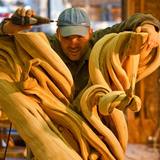 |
The master craftsman uses natural wood to produce furniture and interior design elements. He uses the tree from the tip to the root. Each artwork accents the form and texture of the wood, and the workshop offers an unusual look at wood and people. You can attend educational events and commission and purchase gifts and souvenirs. |
|
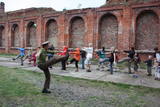 |
An impressive set of military structures between the Baltic Sea and Lake Liepāja and Lake Tosmare. Construction of the fortress began in the late 19th century on the basis of a decree by Russian Tsar Alexander III, and it cost 45 million gold roubles. The fortress includes accommodations and elements of fortifications – sites for cannons, trenches, gunpowder cellars, systems of canals, a narrow-gauge rail line, etc. In 1908, the fortress was shut down because of a change in Russia’s defence concept, and the construction of it was declared to have been a strategic mistake. There were attempts to blow up the underground structures and cellars during World War I, but that did not really succeed. Some elements of the fortress were of great importance in Latvia’s liberation battles. Surviving today are the Northern forts, the Central fort, the Eastern fort, the Southern fort, the shoreline defensive batteries (No. 23, 3), Redāns, Lunete, and others. Most are not improved, so visits may be dangerous. The northern part of the fortress includes the Military Port, which has experienced seven different armies and regimes. During the Soviet years, it was closed to civilians. There are many outstanding monuments to military history. Tourists love the Karosta prison, which offers educational programmes. |
|
 | ||
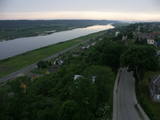 |
This park covers the Nemuna River valley between the villages of Seredžius and Geldaudišķis, with lovely views of castle hills, medieval castles, aristocratic estates, etc., along the shores.
|
|
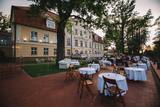 |
The restaurant is located in the Mālpils manor building that was renovated in 2008 and is a classicism architectural monument of the 19th century. The restaurant's menu changes and is updated according to the season. Combination of exquisite flavour nuances with an elegant manor interior. |
|
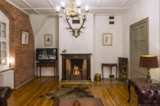 |
The Vijciems Hunting Castle building houses an elegant design guest house Bergervilla. Each room has an individually designed design, historic furniture and a special atmosphere. There are 4 rooms available - a standard room, a two-room suite and two deluxe rooms with a private balcony and a bathtub. Each room is given the name of a forest beast or bird - Owl, Mednis, Deer and Elk. There is also a living room and library for guests to relax in, as well as a fully equipped kitchen for cooking. Free Wi-Fi and parking are available. |
|
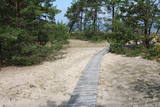 |
The trail (the length 1.2 km) introduces with the habitats of dunes and century-old pines, partly covered with sand. Biologists estimate that the oldest tree, the “mother of pines”, could be around 200 years old. Coastal pine forests serve as a barrier between the sea and land protecting inland areas from impact of the sea and winds. Felling coastal forests was forbidden by law already back in 1643, during the Duchy of Courland. Still due to economic activities, the seashore forests were often fell and fires occurred there occasionally. As a result, the sand which had for centuries been hold by trees, started drifting at Cape Kolka. In the 1930ies, there were about 142 hectares of sandy areas in the Slītere National Park, and 11.5 hectares of those were drifting sand. To stop drifting, the sand areas were carefully afforested. Afforestation was started before WW I and it was completed in the 1970ies. To plant new trees, first the sand had to be stopped. Just 26km to the south from Kolka there was one of the largest sand dunes in Latvia, 25km in length. Every year it devoured 0.3 hectares of land. The sand was stopped covering it with heather, twigs and branches of pines and junipers. Pine trees were planted between them. Today in Kolka, the old, low pine trees tell about the once drifting sand. After storms, when the water washes the bluff and tree roots are exposed, one can see that the tree trunks once have been covered with sand more than 1 meter high. The trees on the seacoast usually have crooked trunks and flag-shaped crowns formed under influence of persisting sea winds. Now these forests are designated biotope “Wooded dunes of the coast”. Stable white dunes (biotope 2120) do not form in Cape Kolka as they are washed by sea waters during spring and autumn storms. Embryonic dunes develop here (code 2120) with plants that usually grow in dunes. These plants have adapted well to poor soils, heat, drought, and the saline sea water. The Kolkasrags Pine Trail is in Slītere National Park. |
|
 |
This is a farm where there are some 10 different kinds of strawberries on many hectares of land. Anita Rescenko offers a six-day strawberry cure to improve your health. Pick and taste strawberries, purchase them fresh and clean. There are strawberry masks, dishes prepared with strawberries, clay masks and compresses against joint pains. Visitors can learn flower arranging, boat around the local lake, etc.
|
|
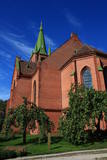 |
Mūsdienās redzamais iespaidīgais dievnams tapis ilgākā laika posmā. Jau 1870. g. latviešu draudze sāka vākt ziedojumus neogotiskās baznīcas celtniecībai, ko pabeidza 1904. gadā (V. Neimaņa projekts). Ēkas iekšpusi rotā dekoratīvi zvaigžņu velvju griesti, bet tās altārdaļā izvietotasmākslinieka J. Šķērstena veidotās vitrāžas (1940. g.) un 17. gs. kristāmtrauks. Baznīcu ieskauj plašs dārzs. |
|
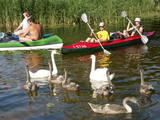 |
This was the first national park in Lithuania, and it is in the northern part of the Aukštaitija Higland, where hillocks interweave with lots of little lakes and ethnographic villages. Many of the lakes are connected with streams, forming long chains of lakes that are perfect for water tourists.
|
|
 |
Rehtšprehera siers top Siguldas novada Lēdurgas pagastā, zemnieku saimniecībā “Mazlauri”. Siera ražošanai saimniecībā pievērsās 2015. gadā, meklējot jaunu izaicinājumu un iespēju radīt produktus ar pievienoto vērtību. Siers tiek gatavots pēc itāļu receptēm un nogatavināts 2–12 mēnešus, ievērojot tradicionālās metodes – īpašā telpā, uz egles koka plauktiem, kontrolētā mitrumā un temperatūrā. SieriCietie sieri (nogatavināti 6-12 mēnešus): Grand Marine, Gouda 8 mēnešus gatavināts. Puscietie sieri (nogatavināti 2-4 mēnešus): Gouda (pieejams ar linsēklas eļļas pārklājumu vai ar speciālu siera pārklājumu), Tallegio (pieejams ar balzamiko etiķa pārklājumu vai speciālu siera pārklājumu), Toskāna, Sorento. Daži sieri ir pieejami arī ar piedevām, piemēram, melnajām ķimenēm, pipariem, tomātiem un baziliku, tomētiem, ķiplokiem un oregano. Daļai sieru ir ēdama miziņa. Uz vasaras saulgriežu laiku tiek gatavots arī kas līdzīgs Jāņu sieram – nogatavināts siers ar ķimenēm. Kā top siersSiers tiek gatavots no pašu saimniecības govju piena – kopumā saimniecībā ir 90 slaucamas Holšteinas melnraibās šķirnes govis. Rehtšprehera siers top no tikko slaukta, nepasterizēta govs piena, kas tūlīt pēc slaukšanas tiek nodots pārstrādei. Tas ļauj saglabāt piena dabisko garšu un raksturu. ApmeklētājiemSaimniecības apmeklētājiem iespējams redzēt un dzirdēt patiesu stāstu par to, kā rodas piens un siers - kā uztur piena lopu ganāmpulku, kā audzē pilnvērtīgu, uzturvielām bagātu barību, ko nozīmē govju labturība, lai iegūtu ekstra klases pienu, un kāda ir praktiskā puse, dzīvojot un saimniekojot laukos. Noslēgumā ieskats siera ražošanā un siera degustācija. Kur iegādāties sierusE-veikalā: www.rsiers.lv. Veikalos Rīgā, Cēsīs un Siguldā. Sestdienās - Skultes tirdziņā, Slow Food Straupe tirdziņā un dažādos tirgos visā Latvijā. |
|
|
|
This former training route runs through the shoreline forests from the northern part of Ventspils (there was once a tank division in Ziemeļu Street there) all the way to Ovīši. Today it is a wide, sandy and overgrown track.
|
|
 |
Eine der größten befestigten Siedlungen im Bezirk Harju, befindert sich auf einer Erhebung des natürlichen Kliffs Nordestlands. |
|


