
| No | Name | Description |
|---|---|---|
 |
Divstāvīgs skatu tornis pie Laikjula (Laiküla) – Hāpsalu ceļa, no kuras paveras plaša ainava uz Matsalu līcī ietekošo upīšu palieņu pļavām. Te var vērot migrējošās dzērves un zosis, bet pavasaros varbūt laimēsies redzēt vai dzirdēt ķikutu Gallinago media. Viens no retajiem torņiem, kas ir pielāgots cilvēkiem ar īpašām vajadzībām. |
|
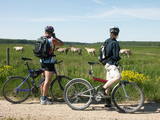 |
These meadows are of distinction because of the curvy Slampe River, which has caused a gradual recovery of damp meadows, complete with species of plants and animals that are typical of such areas. Domestic animals adapted for life in the wild can be seen here, and a bird watching tower on the location will offer you an excellent opportunity to view them. You can get to the meadows via a narrow corridor known as the Melnragu throat. The gravel road will lead to a hillock called Kurgāns from which you can have an excellent view of the surrounding landscape. |
|
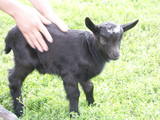 |
The farm breeds goats and grows vegetables. You can take a tour, help to milk the goats, and taste and country goodies such as cheese, bread and pierogi. You can also help to make cheese. |
|
 |
Interesanta dažāda vecuma ēku ieskauta gājēju ieliņa (gājēju daļa ~ puskilometrs), kura var novērot pilsētas arhitektūras stilu attīstību no 17. - 20. gs. Šeit tāpat kā citur Kuldīgā var apskatīt un nofotografēt pilsētai raksturīgos virsgaismas lodziņus un greznās un daudzveidīgās ēku durvis. Te vērts pasēdēt arī krodziņā! |
|
 3 days
|
This part of the Forest Trail gives an opportunity to see Setomaa or “the Land of Setos” which is inhabited by Setos – an ethnographic group with specific ancient traditions and a unique language dialect. Forest Trail hikers can visit the traditional Setos homestead and enjoy Setos cuisine. The forests of the region are especially charming in early autumn, when the ground is coloured lilac by the blooming heather. There is a good chance to pick wild mushrooms and berries. One of the most beautiful sections of this trail in Setomaa leads along the River Piusa, where the river is surrounded by sandstone outcrops. You will also visit the Piusa caves. The tour will end in Värska resort – with its sanatorium and SPA, which use the strengths of local nature: mineral water and lake mud. Värska mineral water is well known in Estonia and elsewhere. |
|
 |
Z / S "Kaņepītes" is a family company founded in 1992. The farm takes its name from the name of the house given to it in 1924. Organic farm where cereals are grown and processed into food. The production of the products is small, but the technique has an ancient atmosphere, a stone, wooden mill that gives a special taste and aroma to flour and oatmeal. Now the assortment already has 30 different product types. |
|
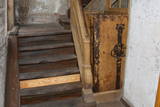 |
Находится на ул. Базницас, д. 17. Здание построено в XVII веке, как жилой дом кулдигского бургомистра. В 1701 году здесь гостил король Швеции Карл XII, который в передней оставил огромный сундук (2 х 2,5 м), на который после реставрации можно взглянуть и сегодня. |
|
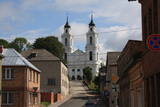 |
The first Catholic church in Ludza was built in 1687 and burned down. A new wooden Baroque church was built in 1738, and because of its colourful interior it became known as the loveliest wooden house of worship in Latvia. The church burned down during a great conflagration in 1938. Work on the church that is there began in 1939, but it was only completed in the early 1990s. |
|
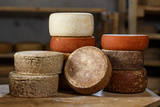 |
This is a biological goat farm and cheese-making plant that offers various cheeses made of goat’s milk and cow milk. The farm has some 100 dairy cows. Owners Ruta and Stefans welcome guests and speak Latvian, German and Russian. The cheese is available on site, at the Kalnciems market in Rīga and elsewhere in Latvia. Production - goat’s and cow’s milk cheeses. Offers excursions in the farm and cheese-making plant, tasting. |
|
 |
“Amatnieku namiņš” ir saimnieces izlolota sirds lieta, jeb vieta, kur vienkopus atrodami daudz un dažādi vietējo un apkārtnes novadu amatnieku un mājražotāju darinājumi. Tējas, garšvielas, ievārījumi, dažādi smēriņi, adījumi, kokdarbi, pinumi, ziedi un ziedu kārbas, sveces, krūzes un daudz kas cits ir atrodams tieši “Amatnieku namiņā”. |
|
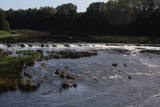 |
This is the widest water fall in Latvia – 249 metres wide and up to 1.75 metres high. This is an interesting natural, cultural and historical object in that it is linked to various events and legends. Duke Jacob of Courland invented equipment to catch fish. It was fastened to the cliffs of the waterfall, and this created the tale of a city where salmon and other fish who were leaping across the waterfall fell into the nets and were thus caught in the air. During Jacob’s rule, there was talk about digging a canal around the waterfall to ensure shipping, and work began on the project. During the early 18th century there was the idea that the Baltic Sea and the Black Sea could be connected via the Venta, Nemuna and Dnieper rivers. Turkish prisoners of war continued to dig the canal, but the local dolomite cliffs were a problem. Attempts to blow up the cliffs led to damage to nearby buildings, so the work ended. The impressive ditch can still be seen today. In 2012, a wooden pathway was installed on the right bank of the Venta to offer a good look at the waterfall. It is worth visiting here during various seasons of the year, when different types of fish migrate. |
|
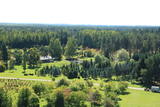 |
This arboretum is in a lovely location in the Vidzeme highlands. It covers 140 hectares of land and offers a look at interesting coniferous trees, lianas, lilacs, rhododendrons and peonies. The facility has a modern visitor information centres.
Unique species: The Tulip Tree (Liriodendron tulipifera), the Fringe Tree (Chionanthus virginicus), and the Kobushi Magnolia (Magnolia kobus).
|
|
 6 days
|
The tour introduces a variety of attractions and values outside big cities revealing the true character of the countries. Visitors will experience the beauty of nature in national parks, charming ambience of rural manors, visit traditional rural farms and skilful traditional artisans and craftsmen. |
|
 |
The farm has 50 head of cattle which spend all year outside and so can be seen at any time. Visitors can taste Highland beef and look at and ride local horses. The tours are meant primarily for adults. The owner of the farm propagandise ecological farming and breed Highland beef and local horses. |
|
 |
Divus kilometrus garās lokveida takas sākums ir meklējams pie Somā nacionālā parka apmeklētāju centra (atklāts 2000. gadā) – Tēramā ciemā. Tā ved gar Mardu strauta (Mardu oja) krastu, kur krustām šķērsām ir sakrituši bebru nogāztie koki, radot diezgan juceklīgu skatu. Apmeklētāju centrā var iegūt nepieciešamo informāciju, noskatīties videofilmu un nacionālajam parkam veltītu ekspozīciju. |
|
 |
Laila Kelle works in a building of the former Lamiņi semi-estate. She teaches drawing and painting of landscapes and still life paintings, using oil paints for this purpose. Nature trail (3km).
|
|
 |
The restaurant is in the Promenade Hotel, which was established at historical port docks in Liepāja. It works with local farmers and fishermen and offers live music on weekends. Latvian cuisine: Mutton soup, baked plaice or catfish filet, cod prepared according to traditional fishermen’s recipes, crepes. Special foods: Freshly caught fish with grilled vegetables. |
|
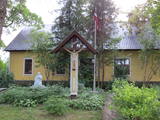 |
Antons Rancans produces wooden busts of well known people from politics, the arts and other fields of endeavour, and these can be purchased. Visitors can also commission decorative objects that are produced from wood. The artist also produces crucifixes. Gundega Rancāne is a landscape painter who is renowned for her masterful use of light and shadow. Her works are available for purchase.
|
|
 |
A small bakery that Jānis Kurpnieks, a baker with more than 20 years of experience, has set up in his father's home. More than 12 types of bread from cereals grown in Latvia. The greatest pride of the bakery is its wholemeal rye bread and sweet and sour bread, neither of which contains wheat flour. Rye bread is baked in large loaves weighing 8-9 kg and reaching up to half a metre in length. With such a loaf, the flavour “bouquet” is stronger and the shelf life – longer. Only natural ingredients and home-made sourdough, taken from the dough scraper (the dough of the previous baking), are used here for baking bread. The dough is fermented in oak tubs and the bread is baked in a proper bread oven, which is fired with softwood. |
|
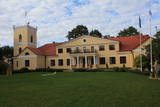 |
Atrodas 0,9 km ziemeļrietumos no Dzērbenes centra. Tagadējais muižas komplekss veidojies 14. gs. celtās un 1577. g. nopostītās mūra pils vietā. Muižas pils (18. gs. beigas, klasicisma stils) savā pastāvēšanas laikā piedzīvojusi vairākkārtīgu nopostīšanu (1905. g., Pirmajā pasaules karā) un tai sekojošu atjaunotni. 19. gs. beigās tai tapa piebūve – iespaidīgs četrstūru neogotikas stila tornis. Laikā no 1927. - 1975. g. pilī darbojās lauksaimniecības skola, tagad - Dzērbenes pagasta pārvalde, Tautas nams un mūzikas skola. Pili ieskauj parks ar septiņu dīķu kaskādi. No kādreiz iespaidīgā laukakmeņu žoga saglabājušies vien pils vārtu stabi. Dažādā stāvoklī (arī avārijas) atrodas citas muižas ēkas. 2010. gadā tika veikta pils iekštelpu un ārējās fasādes restaurācija. Iepriekš piesakoties, tiek piedāvāta gida vadīta ekskursija un piedzīvojums muižā iekārtotajā spoku kambarī. |
|


