
| No | Name | Description |
|---|---|---|
 |
Here you will find a ceramicist who offers educational activities during which you can shape your own items and then put them in the kiln. The studio welcomes kindergarteners, schoolchildren, adults and senior citizens. The ceramicist has experience with people with special needs. Finished clay products are available at the studio.
|
|
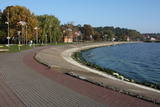 |
The most populated place in The Curonian Spit - old curonian village - Nida. Until 19th century Nida's citizens were mainly fishermen. Later it became a popular resort. Like other villages here Nida has been "moved" because of "wandering dunes". There are a lot of museums to see. During tourism season there is around ~ 200 000 – 300 000 tourists here.
|
|
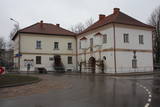 |
Vēstures avotos pirmoreiz minēta 1483. g. Pilsētas uzplaukums bija vērojams pēc dzelzceļa uzbūvēšanas 19. gs. beigās, kad barons Korfs sadalīja un iznomāja apbūvei muižas zemi. Pilsētas tiesības Priekule ieguva 1928. g. Pilsēta smagi cieta 2. pasaules kara pēdējos mēnešos, - t.s. Kurzemes katla laikā, kuru laikā tika sagrautas 410 no 450 ēkām. Mūsdienās tā ir neliela pilsētiņa ar mazstāvu apbūvi un nesteidzīgu dzīves ritmu. |
|
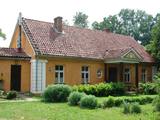 |
Approximately 6 km to the south-west of Iecava is the home of the father of author Edvarts Virza (born Jēkabs Eduards Liekna, 1883-1940), Billītes. The author and his wife, Elza Stērste, moved to the house in 1901. Virza was one of Latvia's most outstanding 20th century authors, poets and prose writers, as well as publicist and translator. He wrote many poems at Billītes, and in 1933 he produced his masterpiece, "Straumēni," which depicts the life of a Latvian farmer. A museum dedicated to Virza is at the house today. It was opened by his children and grandchildren. Contact the museum in advance for a tour. |
|
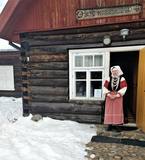 |
While you are in Obinitsa Seto Museum you can learn more about the lifestyle and culture of Setomaa's people. In the museum you can see a lot of items that are very important to their culture, for example the fine handicraft of the Seto women. Also since 2015 here you can also learn about other Finno-Ugric nations. There is a possibility to shop in the souvenir shop. |
|
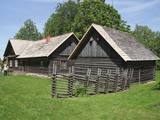 |
The Museum of Francis Trasuns „Kolnasāta”. The museum of the promoter of Latgalian revival,
prominent cultural worker, pastor and politician F. Trasuns (1864 – 1926) was established in his house „Kolnasāta”. There is also an exposition about Jānis Klīdzējs; a collection of old household items. „Kolnasāta”
is the place of many cultural events in Latgale.
Working hours: Mon– Fri : 8.00 - 16.00, Sat., Sunday : on request |
|
 |
This farm breeds sheep, rabbits, horses, African ostriches and other fowl, as well as shitake mushrooms. You can order and buy mushrooms, souvenirs made of ostrich feathers, and other farm products. |
|
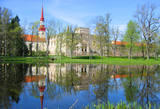 |
The Castle was built beside the Põltsamaa River in the 13th C and became the residence of Duke Magnus, King of Livonia in the 16th C. In the castle yard you find the tourist information centre, local history museum, wine cellar, Estonian Press Museum, art gallery, ceramic and handicraft workshop. |
|
 |
Kafejnīca "Bura" atrodas Madonas ziemeļdaļā, uz Gaujas un Rūpniecības ielas stūra – pie pilsētas apvedceļa. Kafejnīcā piedāvā plašu ēdienkarti, t.sk. latviešu virtuvi. Banketu zāle, vasarā darbojas āra terase. Piedāvā izbraukuma banketus. Ēka celta guļbūves stilā. Ainaviska vide, laukakmeņi. Latviešu virtuve: Pelēkie zirņi, kartupeļu biezputra ar gaļas krikumiņiem, zemnieku podiņš, siļķe ar mrinētiem sīpoliem un krējumu, maizes zupa, plānās pankūkas. Īpašais ēdiens: Pēc dažādām receptēm gatavots zandarts. |
|
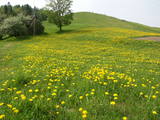 |
This is a view worth a journey from a distance. This is an impressive terrain for Latvia, and here you will see as far as the Hanja highlands of Estonia, where the Great Munameģis Hill – the highest surface in the Baltic States – can be found.
|
|
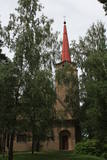 |
The Viesīte Lutheran Church is in Kaļķu Street in the western part of Viesīte, on the so-called Vales hillock which was left behind after the Ice Age. An interesting fact is that the defenders of Viesīte defeated the Bermont army here in 1919. The cornerstone for the church was laid on August 15, 1937 (a commemoration day for military heroes). The building was consecrated in 1939 and restored in 1994. Financing was provided for the construction of the church by Professor Pauls Stradiņš. The altar painting is by Ligita Caune. To the East of the church, at the foot of the Vales hillock is a monument to Stradiņš. |
|
 1 day
|
The Baltic Coastal Hiking Route leads around the Pakri Peninsula, from whose rocky shores you will discover the most beautiful coastal landscapes in northwest Estonia. It goes through the centre of Paldiski and, after having reached the fortress bastions of Peter I, it turns towards the Pakri Lighthouse going across the upper part of the impressive Pakri Cliffs. Further on up to Kersalu, there are both ups in the shape of rocks and downs where the Baltic Coastal Hiking Route meanders along a sandy and rocky seacoast and a beautiful pine forest. |
|
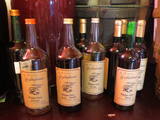 |
The farm grows fruit trees and raspberries, and it makes homemade wines from various fruits and berries, including raspberries, black currants and apples. You can purchase products, and groups of up to 25 people can attend wine tastings in a very fine hall. |
|
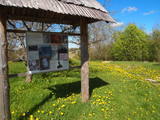 |
Latvijas un Igaunijas Neatkarības karā nenovērtējami nozīmīgas bija tieši Cēsu kaujas 1919.gada jūnijā.Atpūtas vieta-kempings "Amatas upe" ir lieciniece tieši šo un vairāku citu kara notikumu norisei - par to liecina vēsturiskie avoti muzeju arhīvos, kā arī mūsdienās redzamās aprises dabā. Par to, kur un kā sākās varoņstāsts, kas noslēdzās ar abu kaimiņtautu: igauņu un latviešu brīvību, ir iespējams uzzināt arī dažādu veidu programmās - stāstījumā par Cēsu kauju noslēpumiem un dažādu veidu pārgājienos vai izbraucienos pa galvenajām Cēsu kauju vietām, vai arī Cēsu kauju aizraujošā "izspēlēšanā". Atpūtas daļā - apmeklētājiem ir iespēja nobaudīt spēcinošu "kara zupu". Ekskursijas pa Cēsu kauju vietām-dažāda ilguma, izstrādāsim tieši jums piemērotu variantu! |
|
 |
Guides will offer you a tour during which you can watch red deer, fallow deer and wild sheep. You will learn about the specifics of breeding them. The farm engages in selection, as well. |
|
 3 days
|
This route section takes you to the Dzūkija National Park – it is among Lithuania’s most forested and desolate nature areas –, and to the town of Druskininkai – a popular SPA and mineral water health resort on the banks of the river Nemunas. When in Druskininkai, we recommend dipping yourself in mineral water baths, enjoying the trip with the cable car over the river Nemunas, visiting the musical fountain, and walking along the river promenade. The starting point of the hiking route is the village of Didžiasalis, which is reached by bus from Druskininkai. From there, the route will take you through vast coniferous forests, rich in berries and mushrooms, and small villages. As you get to Druskininkai, the Forest Trail will meander along the small streets and parks of the historic resort of Druskininkai, crossing the river Ratnyčia and the forest park on the right bank of the Nemunas valley. Leaving the resort town behind, the Forest Trail runs on the side of the village revealing you the beautiful landscapes and the view of the Liškiava monastery on the other bank of the river Nemunas. Up to the village of Žiogeliai, the route goes along forest roads and continues along the banks of the Nemunas valley, surrounded by the vast Dzūkija forests. Towards the end of the route, climb up the Merkinė Mound and it will surprise you with breathtaking views of southern Lithuania. |
|
 |
Die Straße führt durch die ehemaligen Fischerdörfer. Eine bessere Radfahr-Alternative auf der Strecke zwischen Häädemeeste und Ainaži. |
|
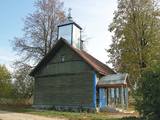 |
Pļuskovas Old-Believer Preaching House was built in the beginning
of the 20th century
|
|
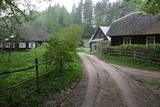 |
Liela meža masīva vidū gleznainās Būkas (Būka) upes krastos starp kokiem ieslēpies teiksmainais Vaišnoriškes ciems. Šis ir viens no skaistākajiem nacionālā parka etnogrāfiskajiem ciemiem. Vaišnoriške kā apdzīvota vieta sākusi veidoties 1756. g., kad šeit sena vēsturiska ceļa malā darbojies krogs. Pirmā viensēta ciematā ir zināma no 1830. g. Šodien redzamā apbūve ir tapusi g.k. 20. gs. sākumā. Ciems ir palicis cilvēku atmiņās ar liepu medu, jo meža velšu vākšana un biškopība bija viena no galvenajām šejieniešu nodarbēm. Tagad ciemā ir piecas sētas. No Vaišnoriškes var uzsākt laivu braucienu pa seklo un dzidro Būku. |
|
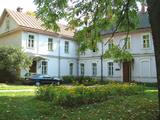 |
Veitko Manor was built in 1832. From 1993, there are hostels of
Latgale Craft School.
|
|


