
| Nr | Nosaukums | Apraksts |
|---|---|---|
 3 dienas
|
Suiti ir viena no krāšņākajām, savdabīgākajām kultūras tradīcijām bagātākā kopiena Kurzemē un Latvijā. Kā apliecinājums tam ir 2009. gada 1. oktobrī Suitu kultūrtelpas iekļaušana UNESCO Pasaules Nemateriālās kultūras mantojuma sarakstā, kam nepieciešama neatliekama glābšana. Suitu kultūrtelpa ir arī iekļauta Latvijas Kultūras kanonu tautas tradīciju sarakstā. Izpausmes, kas raksturo suitu nemateriālās kultūras mantojumu, ir tradicionālie svētki, tautas parašas, mutvārdu tradīcija, tradicionālās dziedāšanas un muzicēšanas prasmes, tradicionālā tautas tērpa darināšana un ēdiena gatavošanas tradīcijas. Kopš 2009.gada suitu kopiena piedzīvo renesansi, tas nozīmē, ka daļa kopienas aktīvi darbojas pie tradīciju atdzimšanas, dzīvotspējas nodrošināšanas un popularizēšanas gan lokālā, gan valstiskā un starptautiskā mērogā. Suitu kultūrtelpas dzīvotspēja ir pašu suitu rokās, kas ciešā veidā balstīta uz tā praktizēšanu un kopienas pārstāvju radošumu. Suiti par ļoti nozīmīgu kultūrtelpas attīstības jomu uzskata tūrisma attīstību kultūrtelpā. Īpaši izceļot kultūrtūrisma nišu, kas balstās uz unikālā suitu kultūras mantojuma popularizēšanu plašākā mērogā. |
|
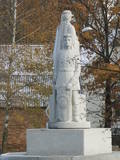 |
Dobeles vārds vēstures avotos pirmo reizi minēts 1254. g. Dobele bija viena no visvairāk nocietinātajām zemgaļu vietām, tādēļ laikā no 1279. - 1289. g. pārdzīvoja sešus vācu krustnešu uzbrukumus. 1289. g. zemgaļi tomēr bija spiesti atkāpties. 1335. g. iekarotāji zemgaļu pils vietā uzsāka jaunas mūra pils celtniecību. Bērzes pretējā kreisajā krastā sāka veidoties tirgotāju un amatnieku miests. Pilsēta ļoti cieta Ziemeļu kara un tam sekojošā mēra laikā. Nozīmīgs notikums pilsētas saimnieciskajā dzīvē bija 1927. g., kad izbūvēja Liepājas-Glūdas dzelzceļa līniju. Pēc 2. pasaules kara Dobelē un tās apkaimē ieradās padomju militāristi, kas izbūvēja vienu no lielākajiem PSRS tanku poligoniem „Dobele-2". Tagad Dobeles apceļotājiem tiek piedāvāts interesants apmeklējamo objektu klāsts. |
|
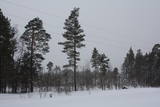 |
Braucot Kolkas virzienā, starp Saunagu un Vaidi ceļa labajā (dienvidu) pusē vēl joprojām ir redzams skrajāks mežs – liecinieks 1992. gada notikumam, kad apmēram 3300 ha Slīteres mežu cieta plašā ugunsgrēkā. Kopš minētā notikuma biologi šajā vietā pēta meža atjaunošanās procesus. Plaši un postoši ugunsgrēki tuvākajā apkārtnē ir bijuši arī 20. gs. sākumā. Pēc zviedru zinātnieku pētījumiem, Šlīteres mežos pēdējo gadsimtu laikā uguns gailis plosījies vismaz 15 reizes. Degums atrodas dabas rezervāta zonā, tādēļ apskatāms tikai no ceļa. |
|
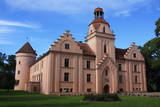 |
Piltenes bīskapijas laikā - 13. gs. - vidū tika uzcelta konventa tipa pils. Vēlākās pils piebūves radās 16. un 19. gs., un izveidojās tai raksturīgais iekšējais pagalms. 19. gs. 30. gados pils fasāde ieguva mūsdienās redzamās neogotiskās formas. Laikā no 16. gs. līdz 1920. g. Ēdoles pils bija baronu Bēru dzimtas īpašums. Pēc 1905. g. dedzināšanas, pili divu gadu laikā atjaunoja. Pazīstama gan ar spoku stāstiem, gan ar rūķīšu kāzām, gan ar asins traipu pils Sarkanajā istabā, kas parādījies slepkavības vietā. Lai to noslēptu, tika uzbūvēts kamīns, taču traips parādījies atkal. Pēc privatizācijas ir atjaunoti interjeri, zāles, pagrabi, kas izdekorēti ar pilij raksturīgajiem elementiem. Pils telpas un skatu tornis ir pieejams apmeklētājiem. Parkā apskatāma Mīlestības aleja un Rūķīšu ozola vieta. |
|
 |
Laivošanas pasākumu organizēšana, kajaku, kanoe laivu, SUP dēļu un aprīkojuma īre un pārdošana. |
|
 |
Gastrobārs Klaips ir vieta Ādažos, kur ieturēt maltīti gan ikdienā, gan svētkos. Piedāvājumā 9 valstu "street food" ēdieni, kā arī Latvijas modernās virtuves gaļas, zivju un veģetārie ēdieni. Plašs dzērienu piedāvājums. |
|
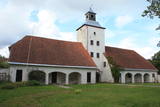 |
Mūsdienās redzamais Stukmaņu muižas komplekss tapis 17. un 18. gs. pārbūvju laikā, kad cietokšņa tipa celtnes vietā uzbūvēja muižas pili un pārējās saimniecības ēkas. Muižas ansambļa centrālo daļu - taisnstūrveida pagalmu aptver pils ēka un divas viena otrai pretī celtas un ar kolonnām rotātas klētis, zirgu staļļi un ratnīca. Pēdējie divi kopā ar zvanu torni un vārtu caurbrauktuvi veido vizuāli iespaidīgāko ēku daļu. Zvana skaņas kalpoja gan reliģiskiem rituāliem, gan ikdienas gaitu izziņošanai. Ēkas siluetā vērojamas asociācijas ar 18. gs. Eiropā izplatītās klosteru, rātsnamu un baznīcu jumta torņu būvmākslas paraugiem. No 1780. g. muižā saimniekojusi Karla Otto fon Levenšternu dzimta. Muiža apskatāma tikai no ārpuses. Stukmaņu muižas apkaimē izveidota pārgājienu taka. |
|
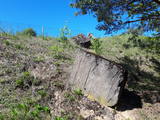 |
Nordeķu - Kalnciema kāpu grēdas daļa Kleistu meža austrumdaļā pie Dzirciema ielas. Padomju laikā šeit darbojās divi (vēlāk viens) P - 35 radars, kas griezās ap savu asi. Vietējie iedzīvotāji tolaik šo vietu bija iesaukuši par "Lokatoru kalniņu". Ziemeļos no tā atradās padomju armijas cūku ferma. |
|
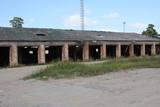 |
Padomju gados Ventspils tanku daļā atradies mācību pulks. Mūsdienās objekts ir degradēts un apsaimniekotas tiek tikai bijušās tanku daļas remonta un saimnieciskās ēkas. Pārējā teritorija netiek izmantota. Iespējams, saglabājušies bijušie tanku remontlaukumi.
|
|
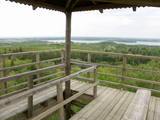 |
Sventes dabas parkā, kas atrodas ainaviskajā Augšzemes augstienes vidusdaļā, izvietojies Sventes ezers – viens no dzidrākajiem Latvijas ezeriem un Egļukalns, no kura skatu torņa paveras viens no skaistākajiem Zemgales skatiem uz Sventes pauguraines un ezeraines ainavu. Egļukalnā izveidotas kalnu slēpošanas trases un dabas taka. Dabas parks ietilpst lielākā īpaši aizsargājamā dabas teritorijā - Augšzemes aizsargājamo ainavu apvidū. |
|
 |
Saimniecībā audzē tomātus, gurķus, zemenes, pelēkos zirņus, garšaugus, ķirbjus un kabačus, kā arī vistas, kas ganās brīvā dabā. Piedāvā iegādāties saražoto produkciju. |
|
 |
Kafejnīca "Krisdole" atrodas pašā Liepājas centrā, kafejnīca piedāvā svaigi ceptus gardumus no sezonāliem, saviem un vietējiem produktiem. Klasiskas un tradicionālas un jaunas un inovatīvas Kurzemes receptes. |
|
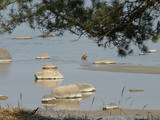 |
„Rīgas jūras līča rietumu piekraste” - nozīmīga patvēruma un barošanās vieta lielam skaitam migrējošo putnu sugu visa gada garumā. Biežāk sastopamās aizsargājamās putnu sugas – brūnkakla un melnkakla gārgale, jūrmalas dižpīle, kākaulis, tumšā pīle un mazais ķīris, teritorija ir nozīmīga arī rifu aizsardzībai. Teritorija atrodas iepretim Dundagas, Rojas un Engures novadam, kā arī Jūrmalas pilsētai, tās platība ir 132 173 ha. Teritorija ietver dabas parka „Engure” un Ķemeru nacionālā parka jūras daļu.
|
|
 |
Vecie kūdras karjeri – nākamā vieta
aiz Ķemeriem, kur jau daudz lielākā
apjomā (g.k. pirmās Latvijas brīvvalsts
laikā) tika iegūta kūdra.
|
|
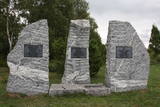 |
Viens no Harju apriņķa (Harjumaa) lielākajiem pilskalniem, kas atrodas uz dabiskas Ziemeļigaunijas glinta pacēluma daļas. Pastāv dažādas versijas par tā izmantošanas veidiem un laiku, kurā tas noticis. Saglabājušies arī nostāsti, ka šeit tāpat kā Kolkasragā laupītāji ir kurinājuši viltus ugunskurus, lai garām braucošos kuģus izvilinātu seklumā. No Mūksi pilskalna paveras skats uz Kolgas līci (Kolga laht). Tā augšdaļā ir novietota metāla plāksne ar shematisku Igaunijas pilskalnu karti un trīsdaļīgs granīta piemineklis (uzstādīts 1994. g.), kas veltīts Igaunijas brīvības cīņu un 2. pasaules kara laika dalībnieku un ar tiem saistīto notikumu piemiņai. |
|
 |
Zirgu un cilvēku labsajūtas centrs "Dabas zirgi" atrodas Pierīgā, vēsturiskajā Mežinieku apkaimē. "Dabas Zirgos" piedāvā pastaigas ar zirgu, ekskursijas pie zirgiem ar zirgu barošanu, izjādes ar zirgu. Šeit ir ierīkota nojume, grils un ugunskura katls svētku svinēšanai. Iepriekš vienojoties, var pasūtīt arī brokastis, pusdienas un vakariņas. Pieejama pirts un baļļa. Saimnieki aicina pie sevis pavadīt arī ilgāku laiku, nakšņojot jaunizveidotajā glempingā, skaistā vietā meža vidū pie Misas stāvkrasta. Glempinga teltī ir divguļamā gulta un dīvāns, ledusskapis, kafijas aparāts, tējkanna, šķīvji, krūzes, glāzes un ēšanas piederumi, spēles bērniem. Ārpus telts ir pieejama āra duša, Toi Toi mazmājiņa ar ūdeni un dezinfekcijas līdzekļiem, latvju zīmēm rotāta ugunskura vieta ar malku un ērtiem krēsliem vakara baudīšanai, galds ar krēsliem ēšanai. Šis piedāvājums ir tapis sadarbībā ar sociālo uzņēmumu "Kultūras tūrisms". |
|
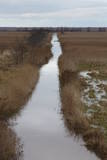 |
Lai nokļūtu līdz šim tornim, ir jāveic apmēram 20 – 30 min ilgs pārgājiens pa dabas taku no Penijē muižas gar Penijegi (Penijõgi) kreiso krastu. Te redzami bebru darbi un to celtās zaru mājas. No torņa paveras skats uz Kazari deltu, kas dabā izpaužas kā monolīts un nepārskatāms niedrājs. To vairākās daļās sadala Kazari un mazāka izmēra upītes. Katrai deltas daļai ir savs vēsturiskais nosaukums: no torņa pa kreisi no Penijegi redzama Lihula meri (Lihulas „jūra”), bet tās labajā pusē - Kloostri meri (Klostri „jūra”). Putnu vērotāji var iziet garāku (7 km) dabas takas loku, kas ved pa palieņu pļavām. Jārēķinās, ka pavasaros būs nepieciešami piemēroti apavi! Pļavas ierobežotās platībās apsaimnieko mājdzīvnieki, tādēļ neaizmirstiet aizvērt vārtiņus aiz sevis un netraucējiet to ikdienas gaitas! No maršruta nav atļauts novirzīties, lai netraucētu putnus. |
|
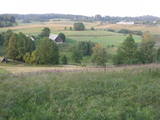 |
Dabas liegums veidots Alūksnes augstienes augstākā lielpaugura – Dēliņkalna un tā nogāzēs esošo biotopu (nogāžu meži u.c.), kā arī apkārtējās ainavas aizsardzībai. Paugura nogāzēs izveidota kalnu slēpošanas trases un no tā dienviddaļas paveras izcila ainava. Dabas liegums atrodas Veclaicenes aizsargājamo ainavu apvidū (sk. sadaļu "Aizsargājamo ainavu apvidi").
|
|
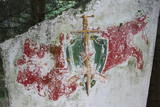 |
Krasta robežapsardzības postenis šobrīd netiek izmantots. Teritorijā saglabājies piemineklis, robežstabs un bijušās tualetes ar koka papīra turētājiem. Labs robežsardzes punkta kopskats redzams no tā dienvidaļā esošā augstā vaļņa. Kur vēl Pasaulē var atrast Padomju armijas sauso tualeti ar tās atsevišķiem atribūtiem?
|
|
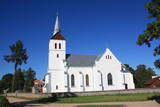 |
Saulainā laikā spilgti baltā celtne, kas atrodas ciema dienviddaļā, pamanāma jau pa lielāku gabalu. Pirmo koka baznīcu sv. Pētera un Pāvila godam šeit 1759. g. uzcēla jezuīti. Mūsdienās redzamā baznīca ir tapusi gandrīz pusotru gadsimtu vēlāk - 1893. g. Dievnams no iekšpuses apskatāms dievkalpojuma laikā. Baznīcas dārzā apbedīts lietuviešu izcelsmes garīdznieks un koktēlnieks Antons Rimovičs (1865. – 1933.). Iepretim baznīcai atrodas draudzes nams. |
|


