
| No | Name | Description |
|---|---|---|
 2 days
|
The Baltic Coastal Hiking Route goes through Nõva Nature reserve where you will have exceptional views of the white and grey dunes. The beaches are popular for fishing and kite-surfing. In Dirhami you can spend some time in a cafe and from its terrace you will have a beautiful view of the sea and the port. Along the way you can also see ancient Swedish hamlets with a different cultural environment and landscape, as well as shallow lakes that have been separated from the sea. |
|
 |
Atrodas 200 m ziemeļaustrumos no akmens tilta pār Tebru. Ūdensdzirnavu komplekss celts 18. gs. beigās – 19. gs. sākumā uz Tebras upītes, uzpludinot Dzirnavdīķi. Blakus dzirnavām atrodas 19. gs. beigās celtā Aizputes muižas alusdarītava, apvienojot divas vecākas Pilsmuižas saimniecības ēkas. |
|
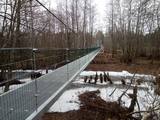 |
The bridge across the Irbe river so that bicyclists and pedestrians can cross the bridge where the former tram tracks were located. |
|
 |
This progressive biological farm grows some 50 types of biological vegetables and greens. The farmers own 10 ha of land where they grow various vegetables outdoors and in greenhouses in the Biržu region. |
|
 |
You can take a smoky sauna, watch the milking of cows, learn how to milk a cow, buy fresh bread and pastries along with unique apple tea, rent a family tent, take part in farm work, go fishing and swimming in the pond and shoot arrows with old and modern bows. |
|
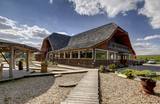 |
Lieliska vieta svinībām vai atpūtai Minijas ielejā Žemaitijā. Kafejnīca 100 pers. un konferenču zāle, kuras izvietotas 6 ha lielajā teritorijā. Spēļu laukumi gan bērniem, gan pieaugušajiem. Kanoe, burbuļvanna un pirts. Nakšņošanai viesnīcas numuriņi, koka namiņš vai 2-zvaigžņu kempings. Pieejama ēdināšana. |
|
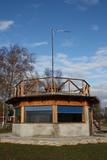 |
Pirmā ir uzcelta uz vienstāvīgā apmeklētāju centra jumta. No tās paveras plašs skats uz Kīdevas ciemu, ostu un niedrēm apaugušo Matsalu līča ziemeļdaļu. Austrumos no šīs atrodas vēl viena - divstāvīga putnu vērošanas platforma. No Kīdevas līdz Puisei gar Matsalu līča var doties pārgājienā pa 5 km garo dabas taku. To izejot, novēroto putnu sugu klāsts noteikti būs lielāks! |
|
 |
This leisure base on the north-western shore of Lake Rušona offers accommodations, dining and active leisure services. |
|
 |
Eine Asstellung der Steine unter freiem Himmel, eingerichtet vom litauischen Ärzt Intas Vaclovas (1925 – 2007). Ein Museum der einzigartigen Steine. |
|
 |
Saimniecība "Baltiņi" atrodas Auces novadā un nodarbojas ar lopkopību un lauksaimniecību. Viesiem ir iespēja redzēt un izzināt piena ražošanas procesu, kā arī iepazīt saimniecības dzīvniekus. Saimnieki piedāvā apskatīt padomju laiku auto kolekciju, pieejama arī suvenīru un trauku kolekcija ar govs motīviem. |
|
 |
Atrodas Plateļu centrā. Plateļi ir otra lielākā apdzīvotā vieta nacionālā parka teritorijā. Apmeklētāju centrā var noskaidrot aktuālo informāciju, pieteikties organizētās ekskursijās, iegādāties informatīvus materiālus, kā arī apskatīt nelielu dabas ekspozīciju par nozīmīgākajām parka dabas vērtībām. |
|
 |
The factory produces milk candy “Gotiņa”, toffee, sherbet, marmalade and candy cream from natural ingredients. We obtain fresh milk from local farms; other ingredients for the production process are obtained in the surrounding area. Each piece of candy “Gotiņa” is hand-wrapped. |
|
 |
Atrodas ~ 1,5 km ziemeļos no Krāslavas centra, Jāņupītes krastā (ir norāde). Pēc atsevišķiem savrupatradumiem var spriest, ka pilskalns apdzīvots laikā no I g. t. pr. Kristus līdz vēlajam dzelzs laikmetam. Domājams, ka savu nosaukumu tas ieguvis šeit sastopamo mālu dēļ. Nelielas mālu ieguves vietas pilskalna nogāzēs ir redzamas arī šodien. Saglabājies nostāsts, ka grāfs Plāters šeit apraudājis savu sievu, kuru pats neuzticības dēļ licis iemūrēt pazemē. |
|
 2 days
|
Маршрут предусмотрен для путешественников, которых привлекает большой и частый перепад рельефа, а также для тех, кто жаждет увидеть и на себе испытать впечатляющие берега глубокой древней долины Аматы, передвигаясь по мало тронутым лесным тропам. Тропа, проложенная на правом берегу реки, петляет как по нижней, так и по верхней части долины, поэтому местами необходимо преодолевать перепад высоты более чем 40 метров. Maršruta informācija no Latvijas Lauku foruma |
|
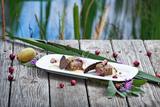 |
Located in the centre of Dikļi, the 1896 castle was renovated into a four-star hotel in 2003. The castle offers a look at antique furnishings, fireplaces and ovens, as well as paintings by Latvian artists. Two restaurants (summer and winter) offer fine dining and an individualised approach. The castle works with local farms. Latvian cuisine: Beefsteak, grilled trout, smoked wild board bacon, filet of pike from Lake Burtnieki, seasonal mushrooms and berries. Special foods: Venison chop, candied fruit in syrup, onion marmalade. |
|
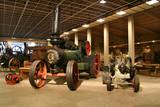 |
This museum offers a look at the Latvian countryside, informing visitors about the history of the development of the agricultural sectors and popularising evidence about farming and life in Latvia's countryside from the late 19th century to the present day. The interest of visitors is facilitated by various equipment used to process the land and harvest and process the crops. There are also various tools. |
|
 |
"Līdumkalni" atrodas Ķurbē -Kurzemes ziemeļrietumu daļā, starp Dundagas mežiem un Ķurbes lielo silu, zaļu pakalnu vidū, 15 km no jūras un ne pārāk tālu no debesīm. Šeit laiks rit lēni. Tas nevienu nesteidzina. Laika pietiek, lai vērotu Dieva radīto pasauli un ieskatītos Viņa bagātajā aptiekā. Laika pietiek lai iepazītos ar kristīgajām tradīcijām un dzīvesveidu, lai iegūtu praktisku lūgšanu un meditāciju pieredzi. Laika pietiks arī veselīgas maltītes pagatavošanai lauku virtuvē vai uz ugunskura un pašam savas gleznas uzgleznošanai gleznotājas darbnīcā. |
|
 |
Beautiful, harmonic and unique -- those are words to describe the garden at the Gundegas homestead in the Daudzese Parish. Owner Agrita Laizāne tends to her garden every day, particularly in the spring, when she is inspire to plant the flowers. In the autumn she thinks about work to be done next year, collecting seeds and preparing her garden for the winter. |
|
 |
The handicraft house at Heltermaa harbour is located in the former 18th C tavern, here you can buy local handicrafts and participate in a large number of workshops (making soaps, felting, printing with plants and blocks etc). Open only in summer. |
|
 |
The restaurant is at the Chocolate Museum in Pūre. The terrace offers a lovely view of the ancient Abava River valley. The men changes on the basis of the seasons and demand. Latvian cuisine: Chilled soup, sorrel soup, sautéed peas and carrots, liver stroganoff, oatmeal dessert, milk gelatine with berry sauce. Special foods: Dishes with Pure Chocolate products and garnishes. |
|


