
| No | Name | Description |
|---|---|---|
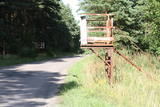 |
This facility was used in the past by communications officers, and it was also a training centre. The Ventspils Home Guard Battalion is housed here at this time. The facility is not open to civilians. Along the road there are metal structures which show where the entrance to the facility was once located.
|
|
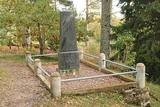 |
The Old Taizelis monument. This monument is dedicated to the fisherman
Niks Freimanis (1845-1908), who served as the prototype for the character Old
Taizelis in stories and a play written by Marģers Zariņš.
|
|
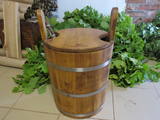 |
Here you will find everything that you need for a proper Latvian sauna – bowls, scoops, tubs large and small, switches, linen products and log saunas as such. You can tour the workshop, try out your own hand at the work that the owners do, and commission or purchase their products. |
|
 |
The saloon is alongside the Ieriķupīte River in the centre of town. There is a nature trail to look at local waterfalls and a windmill. The saloon offers homemade baked goods. Latvian cuisine: Valmiera salad, cold soup, bean soup, sliced pork, baked cod, sausages, stacked rye bread. Special foods: “Ieriķi salad” – tomatoes, cured meat, mushrooms. |
|
 |
Saaremaa has had strong beer brewing traditions since olden times. In Kuressaare, the building with Art deco elements where electricity was once made, is now a home for the beer brewery Pöide that demonstrates the art of beer brewing – you will learn several secrets and taste various beers in the special tasting room. |
|
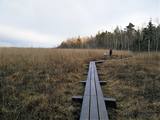 |
Taka atrodas Riekstusalas pussalā, netālu no putnu vērošanas torņa. Uz peldošiem pontoniem celtā laipa iepazīstina ar Kaņiera ezeru „tuvplānā”. Var iepazīt niedrājus, to putnus, labi redzamo ezera gultni ar zivju mazuļiem un kalcifilām augu sabiedrībām. Laipa aizved līdz salai, uz kuras aug kadiķi. |
|
 |
Pirtnieka pakalpojumi, dažādi pirts rituāli. Viesiem ir iespēja iegādāties produktus no ārstniecības augiem - tējas, sīrupus, ziedes, salātus; tāpat arī piedalīties radošajās meistarklasēs tinktūru, masāžas eļļu gatavošanā. Informatīvā lekcija par augiem un pirti, pirts rituāliem. Klusā meža ielokā pieejamas telts vietas, piedāvājumā arī kubla noma un pārvietojamās pirts mucas noma. |
|
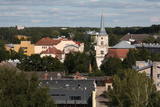 |
The tower of St Catharine’s Church in Valka opens up a view of the “twin towns” of Valka in Latvia and Valga in Estonia. You can see the former border crossing, the St John’s Lutheran Church of Valga, and a shop in Valga which is visited by many Latvian residents. This is part of the ZBR.
|
|
 8 days
|
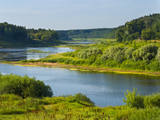
The Daugava River is known as our river of destiny, the Daugava of our hearts, or our beloved mommy. It is a large and full-blooded artery of water that has flowed through our land and our history. The Vikings were aware of the river during the 5th century AD. Krāslava is the site of an ancient castle hill, and the fearless sailors were well aware of it in that downriver from it, the ships could sail with raised sails. It is known in Viking sagas as Dynasaiforgarðr. Goods from the East sail down the river to Rīga, where it is reloaded into seafaring ships for delivery to Europe. That has been the case for many centuries. Many powers wanted to control and govern the process, as is seen in the large number of castle hills, castles and populated areas around the river’s banks. The majestic ruins of the Koknese Castle, Krustpils, the grassy and mighty castle hill at Aizkraukle, another one at Daugmale. The unique fortresses at Daugavgrīva and Daugavpils are like large keys that lock or unlock this mighty and ancient trade route. Under the water in the Daugava are the ruins of the ancient Ikšķile Castle that was built by St Maynard himself. It is seen as the first brick building in the Baltic States. Nearby is Death Island, where Latvian riflemen fought for the future of their country and their land, defending each square metre of land. The Daugava proved insurmountable for Bermont’s troops, and the riflemen defended Rīga successfully. The curves of Daugava are unique. The village of Slutišķi is particularly known because the Daugava there is just like it has been in the past. The high dolomite shorelines and canyons that once made the Daugava unique in all of Northern Europe have now been lost in the reservoirs of hydroelectric power plants, as has the eternally weeping cliff of Staburags, the Liepavotu stream and the Pērse waterfall. The age of national renaissance in Latvia importantly began with a battle against the construction of another power plant on the Daugava, which would have fully destroyed the beauty of the noble river. We managed to protect it, if only a small part of it, but we succeeded. We must not stop! |
|
 |
Atrodas Valmieras Drāmas teātra ēkas rietumu spārnā. Piedāvā latviešu un pasaules virtuvi, svētdienās - brančus. Sadarbojas ar vietējām zemnieku saimniecībām. |
|
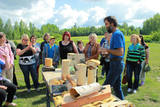 |
Tāšu meistars Jurijs Ivanovs ar lielu centību un degsmi pēc seniem paraugiem cenšas atjaunot labākās Zilupes novada tāšu apstrādes tradīcijas. Top novadam raksturīgi autentiski tāšu trauki ķiploku, putraimu, saldumu, sāls uzglabāšanai, paliktnīši kafijas krūzei vai pannai. Īsts meistarstiķis ir darbarīku rokturu izgatavošana. Darbnīcā varēsiet izgatavot tāšu glezniņu, tāšu tauri, uzrakstīt īpašu vēstuli kādam ļoti mīļam cilvēkam. |
|
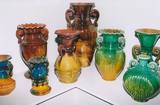 |
This museum is devoted to the career of the ceramist Polikarps Čerņavskis. His work featured light, yellowish and very bright glazing. Guided tours of the museum are available. There are demonstrations of the use of the potter’s wheel. Ceramics can be purchased, and visitors can attend the opening of the kiln. Special works can be commissioned.
|
|
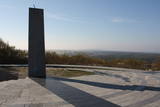 |
In der Umgebung von der 52 m hohen Parniddenen Düne sind die im 18. Jh. bei einem Holzeinschlag entstandene Wanderdünen zu sehen! Aussichtsplatz. |
|
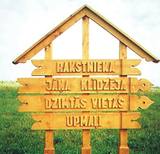 |
„Upmaļi” is the family house of writer Janis Klīdzējs who has written 8 novels, 11 storybooks, 2 essay books
and reflections about Latgalian catholic-Latvian mentality. Janis Streičs (famous Latvian film director) shot a film
based on the novel of Janis Klīdzējs called „The Child of a Man”.
|
|
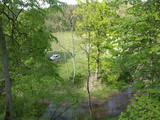 |
The viewing area is near the top of the Vilce castle hill, with a view of the Rukūze River valley, Zaķi meadow, and surrounding forests. This is an unusual landscape for the region of Zemgale. The Vilce baronial estate is nearby.
|
|
 |
Pamatīgs trīsstāvu koka tornis, no kura atklājas viens no labākajiem Matsalu līča un tā apkaimes palieņu pļavu skatiem, kuras apsaimnieko mājlopi, veidodami piemērotu vidi dažādām putnu un augu sugām. Laba migrējošo zosveidīgo putnu vērošanas vieta. Tā kā tornis ietilpst Tūlingu (Tuulingu) saimniecības teritorijā – spēkrats ir jāatstāj netālu esošajā autostāvlaukumā, bet suņi jāved piesieti kakla siksnā. |
|
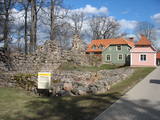 |
For the first time Valmiera is mentioned in the historical sources in 1323. Until the 13th century this place was in the composition of Talava, inhabited by Latgalians. Construction of Valmiera medieval castle began in the beginning of the 13th century, but in 1283, between the Gauja River and Rate River towered church. Location near to the Tartu-Pskov and Novgorod trade routes greatly facilitated the economic development of the populated area. During the 14th-16th century Valmiera was a part of the Hanseatic League. It suffered greatly from wars, epidemics and fires in 16th to 18th century. In the second half of the 19th century the economic boom started again. It was also facilitated by the building of wooden bridge across the Gauja in 1866 and Riga-Pskov railway opened in 1899. Historic centre is destroyed in 1944. During post-war years, large industrial companies such as - Valmiera glass fiber factory (to this day) are opeating in the town. Today, Valmiera is economic, educational and sports centre of Vidzeme. |
|
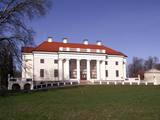 |
This landscape park has survived to the present day and was installed between 1850 and 1860. On one side the territory has a boundary that is the dammed Kruoja River, and on the other side there is a fence made of fieldstones. The English park principles at that time meant that advantage was given to a natural landscape with imitations of nature. There are some 26 types of trees in the park, and some of them were introduced from various parts of the world a few centuries ago. |
|
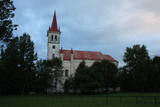 |
Meklējama Nīcgalē, starp Rīgas – Daugavpils šoseju (A 6) un Daugavas krastu. Baznīcu cēla (neogotikas stils) pēc muižnieka Henriha Plātera - Zīberga iniciatīvas 1862. - 1863. g., veltot to Jaunavas Marijas dzimšanai. Kā jau daudzas citas baznīcas, arī šī ēka un tās interjera priekšmeti cieta 1. pasaules kara laika notikumos. To atjaunoja 1922. gadā. Baznīcas iekārta ir saglabājusies no 19. gs. 60. gadiem, bet, centrālā altāra augšdaļu pārbūvēja 1957. gadā. Dažus gadus vēlāk - 1961. g. uzstādīja ērģeles. |
|
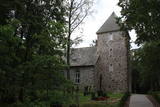 |
1.2 km to the south of the centre of Ģipka and on the side of the Jūrmala-Kolka road (P131), this church makes it hard to believe that the rock church was built very recently – after 1992, because it was burned down during the Soviet occupation in 1979. Ironically, the Dundaga forestry fire safety post was housed in the steeple of the church after World War II. The ornate altar and organ were destroyed in the fire, but the altar painting, “Christ on the Cross,” was saved. The church is now once again open for business. |
|


