
| No | Name | Description |
|---|---|---|
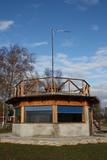 |
Pirmā ir uzcelta uz vienstāvīgā apmeklētāju centra jumta. No tās paveras plašs skats uz Kīdevas ciemu, ostu un niedrēm apaugušo Matsalu līča ziemeļdaļu. Austrumos no šīs atrodas vēl viena - divstāvīga putnu vērošanas platforma. No Kīdevas līdz Puisei gar Matsalu līča var doties pārgājienā pa 5 km garo dabas taku. To izejot, novēroto putnu sugu klāsts noteikti būs lielāks! |
|
 |
Meistardarbnīcā „Cimdiņi” darbojas Latvijas Amatniecības kameras diplomētā meistare Ina Valtere, pie kuras ikvienam ir iespēja uzzināt visu interesējošo par rokdarbiem, kā arī iegūt padomu un ieteikumus adīšanā, izšūšanā un tamborēšanā. Tiek piedāvāta iespēja piedalīties arī darbnīcās un meistarklasēs. |
|
 |
Pupuchi ražotnē top kraukšķīga un veselīga uzkoda no cūku pupām - Pupuchi. |
|
 |
Ložmetējkalns Hill is one of the highest locations at the Long Dune. There is a monument to heroic Latvian riflemen who suffered great losses here during the Christmas battles of late 1916. There is a great view of forests all the way to Jūrmala, as well as of the Maztīrelis swamp, where the embankment of the former narrow-gauge railroad is very evident. This is part of a memorial park to commemorate the Christmas battles. You can visit the Mangaļi museum, the restored “German Rampart,” monuments and other objects.
|
|
 |
Gallery Voronja is an art gallery where a high-quality international art programme is offered and every summer Onion Road is organised. The small garden café operates in the gallery every day with a menu inspired by local ingredients and additional flavours from the city environment. Customers can buy Voronja onion jam, chocolate sauce and other seasonal products.
|
|
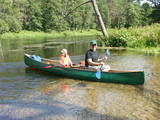 |
Ūla ir viena no skaistākajām un likumsakarīgi – arī populārākajām Lietuvas ūdenstūristu upēm. Tās galvenā pievilcība ir skaistā ainava ar augstajiem upes krastiem, kuros slejas iespaidīgas smilšu kraujas līdzīgi kā Irbes krastos Latvijā. Laivošanu var sākt no Mančagires (Mančiagirė) vai Zervinos ciemiem un turpināt līdz Ūlas ietekai Merķē un tālāk pa Merķi līdz pat Merķinei un Nemunai. Ūla nav plata, taču posmā no Zervinos ciema tajā nav neviena koku aizgāzuma vai cita šķēršļa, kuram laiva būtu jānes apkārt. Ašā straume, asie līkumi, dzidrais ūdens un tajā redzamā zemūdens pasaule rada patiesi patīkamu sajūtu! Upes krastos atrodas gan publiskas (apsaimnieko Lietuvas valsts meži), gan privātas ūdenstūristu apmetnes un atpūtas vietas. Šī ir vienīgā Baltijas upe, kur ūdenstūristiem ir jāpērk licence. Ūlas krastos atrodas divi interesanti apskates objekti – Ūlas atsegums (Ūlos atodanga) un spēcīgs avots – Ūlas acs (Ūlos akis). Savukārt, Merķe jau ir jau krietni platāka upe, taču ar acīm redzamu straumi un dažviet pat jaukām straujtecēm. Kaut arī Merķes krasti ir mazapdzīvoti, tajos atradīsim piemērotas nakšņošanas vietas. Pa Ūlu un Merķi no Zervinos līdz Merķinei sanāk „mierīgs” pusotras - divas dienas ilgs brauciens. |
|
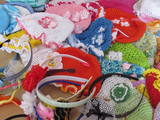 |
The Crafts Chest store offers crafts produced by women in Sabile – knit and crocheted mittens, stockings, hats, shawls, and other useful items that will be wonderful gifts and souvenirs. |
|
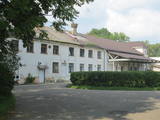 |
The first Mālpils dairy began operations in 1923 and manufactured butter and cheese. During the 1970s, the first soft and unfermented cheese in Latvia, “Mālpils Cheese” was produced here. Apply in advance for a tour of the company and a tasting of its products. You can purchase the products from the company’s warehouse. |
|
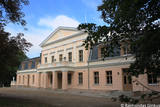 |
This is one of the most colourful and architecturally interesting parks in Lithuania. It was rebuilt and expanded between 1898 and 1900 by the renowned dendrologist G.F. Kuphaldt. The park had more than 200 types of plants, more than 100 of which are still growing. There are various roads and pathways that offer a sense of the mightiness and beauty of the park. A dendrological trail with markers offers information about 15 rare trees. |
|
 3 days
|
Это один из 6 маршрутов путешествий в серии «Насладитесь деревней!», который приглашает Примерное время прохождения маршрута: четыре – пять дней, в зависимости от количества выбранных достопримечательностей и времени, отведенного для их осмотра. |
|
 |
Pie Melekiem sākas dabas lieguma teritorija. Meleku
krastmala būtiski mainījās 2005. g. orkāna laikā.
|
|
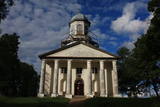 |
Tagadējais dievnams (iepriekšējie celti 1652. un 1776. g.) būvēts laikā no 1839. - 1842. g. Vidzemē pazīstamā lībiešu būvmeistara Mārča Sāruma (1799. –1859.) vadībā. Par prototipu tam izmantoja Pievolgas vācu koloniju baznīcu veidolu. Dievnama altārī atrodas Pītera Paula Rubensa gleznas “Kristus pie krusta” kopija (oriģināls – Minhenē), ko 1887. g. baznīcai uzdāvināja Nēķena muižas īpašniece. Baznīcas remonta laikā (1928. g.) atklāja piemiņas plāksnes 1. pasaules karā un Latvijas Brīvības cīņās kritušajiem. Blakus baznīcas atrodas viduslaiku kapsēta. Celtnes autors un būvdarbu virsuzraugs - H. fon Hagemeistars esot teicis, ka šis dievnams esot „vienīgā baznīca visā Vidzemē un varbūt arī pasaulē, kas uzcelta bez apreibināšanās”. |
|
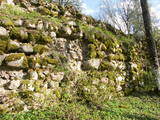 |
The Volkenberga Castle was built in the 13th century by the Livonian Order, and it was practically impregnable, as it was on top of Mākoņkalns hill. These were among the first fortifications in Latgale, and only fragments of the castle remain today. Architect Pēteris Blūms has said that this was a special type of fortification. Legends say that after the lord and lady of the castle died, the property was divided up among their three daughters – Roze, Lūcija and Marija. Each sister built a new castle on the land which she inherited – Roze built Rēzekne, Lūcija built Ludza, and Marija built Viļaka. A memorial plaque at the foot of Mākoņkalns hill recalls the visit which pre-war Latvian President Kārlis Ulmanis paid to Latgale in 1938. |
|
 6 days
|
From Riga the route goes to the goats farm where to enjoy funny and cute animals and try exclusive cheeses. Then visit Mālpils Manor and taste the selection of local cheeses made from cows' milk. Afterwards the route turns towards Daugava river to Skriveri for some gorgeous home made ice-cream and traditional hand-made toffees "Gotiņa". Further on head to the legendary Koknese castle ruins. Next day the route goes to the ethnographic working farmstead located in picturesque spot of Jaunpiebalga and family cheese and macaroni production in Rauna. Nearby there are clay production established within the former brick factory where the hand-made ceramics creation can be observed. Then sightseeing in Cesis with its old town and medieval Livonian Order Castle. Further on the route goes to hemp growing farm where to taste them prepared traditional way. Then you have an excursion and tasting at the Rujiena ice-cream factory. Stay at the former mill where ancient wool processing equipment are still used and can be seen. Heading back to Riga the route follows the coast line. Visit the museum of the biggest liar in the world - Munchausen, where you are entertained with his fantastic adventure stories, visit the lamprey fishermen and have a stroll on sandy beach. |
|
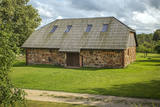 |
One of the 15 semi-estates of the former Dundaga Castle, Vecmuiža, has a private collection of historical materials. |
|
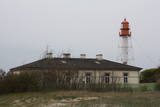 |
In Soviet times, all lighthouses were military objects. Today the lighthouse at Pape is managed by the Latvian Maritime Administration, and it can only be viewed from the outside.
|
|
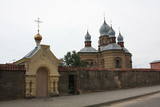 |
The Orthodox Church and Cloister of the Holy Spirit and the Orthodox Church of St Nicholas the Miracle Maker are found at Brīvības Street 200 in Jēkabpils. The Byzantine Church of the Holy Spirit was built between 1853 and 1886 to replace a wooden church which had been built in the latter half of the 17th century and burned down in 1773. Duke Jacob of the Duchy of Courland supplied the timber for the old church. The cloister was alongside the church. On Second Easter in 1903, the church caught on fire, and the only icon rescued was a painting of the Virgin Mary. The church suffered damage during World War I and was restored in 1933. Alongside the Church of the Holy Spirit is the oldest church in Jēkabpils – the oldest stone church in the city, which is named after St Nicholas the Miracle Maker and was erected in 1774. This is a very small church, just 17 x 19.5 m. The cloister of the Church of the Holy Spirit operates the church today, and it can be viewed from the inside. The stone fence that surrounds the complex is massive, but atypical of urban environments in Latvia.
|
|
 |
Jēru klubs ir zemnieku saimniecība Mazsalacā, kas īpaša ar to, ka aitiņas dzīvo īstā klubā! Saimnieki piedāvā piedzīvot lauku saimniecības atmosfēru, kurā galveno lomu spēlē aitas. Baudīt jēra gaļas un aitu piena produktu ēdienus, sajust, cik ērti ir lasīt savu mīļāko grāmatu, sēžot uz pūkainas aitādas un, lai vakarā pie ugunskura nesaltu, iegūt savā īpašumā siltas vilnas zeķes un austus vilnas apmetņus. Ekskursijas laikā saimnieki Ilze un Valters labprāt dalīsies pieredzē par aitu audzēšanu un kopšanu, bet pēc iepriekšējas vienošanās arī pagatavos gardu maltīti no jēra gaļas. Ja ir vēlēšanās, ekskursija Jēru klubā tiek papildināta ar dažādām aktivitātēm - spēlēm, viktorīnu un radošām darbnīcām, izmantojot aitas vilnu. Iespēja iegādāties bioloģiski tīru un veselīgu jēra gaļu, dziju, aitādas. Saimnieki aicina ģimenes no Latvijas un visas pasaules viesoties ilgāk, nakšņojot jaunajā Glempinga teltī, tuvu dabai un veselīgai lauku videi, nezaudējot ne nieka no komforta, ko esam raduši baudīt ikdienā. Šis piedāvājums ir tapis sadarbībā ar sociālo uzņēmumu "Kultūras tūrisms". Glempinga teltī ir lielā gulta un divi divguļamie dīvāni, ledusskapis, Nespresso kafijas aparāts, tējkanna, šķīvji, krūzes, glāze un visi ēšanas instrumenti, spēles bērniem, kā arī sildītājs vēsākiem vakariem. Ārpus Glempinga pieejama āra duša, Toi Toi mazmājiņa ar ūdeni un dezinfekcijas līdzekļiem, latvju zīmju rotāta ugunsvieta, malka, ērti krēsli vakara baudīšanai, galds ar krēsliem ēšanai, batuts, kā arī bērniem smilškaste ar mantām. |
|
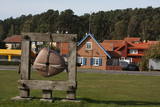 |
Old fishermen village, which was first mentioned in 1429. Before WW2 Juodkrante was popular resort in Europe and it still has its traditions nowadays. Village has an unique scenery with its wooden houses, promenade, Lutheran Church (1885), Lithuania's Art Museum Hall and much more. |
|
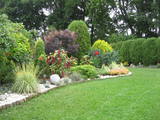 |
You will feel the beauty, power and energy of nature here, ensuring harmony with nature and a good sense of the energy of rocks, plants, Latvian plants and underground streams. Rocks here decorate the garden, which offers a good view of the sea and a cascade of waterfalls that are delightful in the spring and the fall. During the summer, it is a rock river. The site is one km to the north of the bus stop in Tūja and has 28 types of coniferous trees, 14 decorative shrubs, 13 kinds of rhododendrons, and winter plants. The interesting collection of stones may mean that there is an energy field, and the garden is quite esoteric. The rocky seashore of Vidzeme is nearby, and the garden has received many prizes from the Salacgrīva Administrative District and Latvia as such. |
|


