
| No | Name | Description |
|---|---|---|
 |
Saimniecība specializējas uz dažādu dekoratīvo stādu audzēšanu nelielos apjopmos. Sezonas laikā pieejamas arī svaigas krūmmellenes, smiltsērkšķi, cidonijas, augļi un ogas. |
|
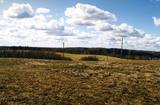 |
No ģeogrāfiskā un kultūrvēsturiskā viedokļa interesanta teritorija Latgales augstienes Rāznavas paugurainē, kuras nozīmīgākie resursi ir dažāda veida biotopi, ainavas, reljefs un Šķaunes ezers. Istras pauguraines dabas parkā nav ar tūrismu saistīti labiekārtojumi, bet šo teritoriju var apskatīt arī „no malas”, braucot pa grantēto ceļu no Soboļinas uz Osinovku, kas iet līdztekus parka ziemeļu robežai (skats uz Šķaunes ezeru).
|
|
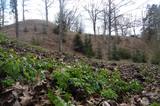 |
The Buse (Matkule) castle hill is next to the Imula River. The hill and the opposite bank of the river offer one of the loveliest views of small rivers in Kurzeme. They are best seen during the season when trees are bare so that leaves do not cover up the landscapes. There are trails for pedestrians in the area. |
|
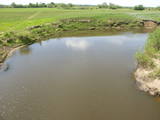 |
The Dviete Wetlands Nature Park contains a unique natural territory – the ancient Dviete River valley with the Lake Skuķi and the Lake Dviete and the surrounding wetland meadows. During flooding season, these wetlands store up waters from the Daugava River. They absorb a lot of floodwater at first and then slowly return it, thus reducing the level of floods in the Daugava River valley. This process is the reason for the unique ecosystem which exists in this area. It is an important location for plants and birds both during migration and nesting season. The river valley is important for birds during migration and nesting. In 2006, wild cows were released into the meadows. There is also work to improve the tourist infrastructure in the area. |
|
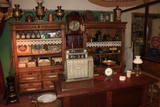 |
Atrodas Bauskas centrā, Kalna iela 6. Muzeja piedāvājumā ir ekspozīcija „Bauska laikā un cilvēki Bauskā 20 gs., pastaiga un atraktīvs piedzīvojums”. |
|
 5 days
|
Historians say that Liv tribes began to settle the territory that is now Latvia in the 10th century. They lived in Northern Kurzeme, at the mouths of the Daugava and Gauja Rivers, and from Ģipka to Oviši, where seaside fishing villages of Liv origin can still be found. Coastal residents have always eaten various sea, river and lake fish dishes, including smoked sole, Baltic herring, cod, bream or eelpout, baked lampreys, salted sprats, Baltic herring and common herring. Fresh and lightly salted Baltic salmon is a delicacy. Whole fish are baked on hot coals, including pike perch, trout, carp, catfish and European perch. Guests can participate in catching and smoking fish and tastings with bits of everything is available on degustations. Rye can be tasted in rye bread and sourdough bread, carrot buns and even pancakes and gingerbread. Barley buns are common in Vidzeme, as are tasty meat and fowl dishes. There will always be a pig's snout with peas or an oven-roasted piglet on New Year's Eve. Taverns serve wild game with lingonberries, mushrooms and other wild tastes. Side dishes include autumn vegetables, pumpkin, beans or grits, as well as sinfully tasty sauces. Enjoy traditional pies, sheet cakes, pretzels, apple cakes and honey bakes during celebrations or every day. You will enjoy desserts made of rye breadcrumbs, cranberries, lingonberries and sweet cream. Popular in Kurzeme are blackberry dumplings, and during summers, there are lots of desserts with fresh berries. Boost your health with aromatic herbal teas and honey, or enjoy some homemade wine or beer. |
|
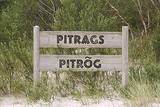 |
was first recorded in documents in 1582. The shallow water around the village contains many sunken ships. In 1826, Pitrags had 11 farms and 190 residents. A saloon was opened in the mid-19th century. In 1937, the village had 12 old farms and 38 fishing operations (mostly new farms). There were several fish processing plants in the village. One of the local residents was the distinguished Livonian language storyteller Marija Šaltjāre (Bertholde, 1860-1930). She shared more than 200 fairy tales and legends, more than 90 songs and games, etc. The Pitrags Baptist Prayer House was built in 1902. It was burned down during World War I, rebuilt in 1925, and renovated in the late 20th century. The Krogi homestead in the centre of Pitrags has a collection of 27 old types of Livonian coastline fencing. The owner also offers a chance to help with the smoking of fish and then to taste the resulting product. |
|
 |
Piedāvā ļoti gardus Lietuviešu tradicionālos ēdienus. Var pieņemt līdz 80 personām. Pieņem bankas kartes, pieejama autostāvvieta. |
|
 |
A marked hiking route (a guide will be needed) begins at the Jēči windmill, which was built in 1878. Nearby is a dendrology park and a collection of rocks. You will learn about moraines and other geological features in the region, study various kinds of swamps, see the unique piles of rock at Pugas, as well as the Kraujiņi rock. The route is 7 or 5 km in length, returning at the starting point, and it will take some four hours to traverse. Be sure to put on waterproof boots!
|
|
 |
The Atāli homestead is on Putnu Island, and a local researcher, Ārija Gruberte, has used the threshing barn to exhibit everyday objects used in the area of the ancient Dviete River valley over the course of time. She has collected these items over the course of 20 years, and they include objects dating back to the Stone Age, the Iron age and the Middle Ages. All of them speak to human lives over the course of more than 10,000 years. Please call in advance to arrange for a tour. |
|
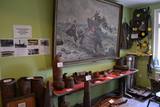 |
The museum opened in 2007 and displays a 180 mm gun barrel, reconstruction of a Soviet restricted border zone, a civil defence shelter, armoured vehicles, a border guard boat and naval mines. Exhibited in the main building are a maritime surveillance radar in its original position, various military items, “Lenin´s corner” and weapons and barracks rooms. |
|
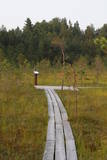 |
The small Andrupene swamp is found to the North of the Andrupene Farm Museum in a deep area between hillocks. It is a high-type swamp with an open central part, and it is 130 m long and 120 m wide. There are stands of white alder alongside the swamp. In 2009, the administrators of the Rāzna National Park restored a wooden educational pathway that had been established originally by the Andrupene Elementary School. Today there are stairs, a viewing platform, wooden pathways, and information stands. |
|
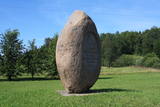 |
The G.F. Stender Museum is at the former Laši pastoral estate, 500 m to the Northeast from the Nereta-Ilūkste road. Gotthard Friedrich Stender (1714-1796), also known as Old Stenders, was the author of the first broader Latvian language grammar book (1761), the first Latvian-German and German-Latvian dictionary (1789), the first Latvian primer (1782), and the first illustrated primer, “ABC of Pictures” (1787). He worked as a pastor in Sēlpils and Sunākste and was born at the Laši pastoral estate, at which one of the buildings now contains a small museum. A memorial stone (sculptor I. Folkmanis, architect N. Tamane) is alongside the Nereta-Ilūkste road. |
|
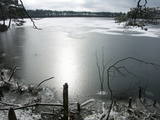 |
Relatīvi grūti pieejama un cilvēka mazskarta teritorija kūdrā izstrādātajā Cenas tīreļa ziemeļaustrumu daļā, kur saglabājušies augstā purva biotopi ar purva ezeriem, kas kopumā veido nozīmīgu vietu ligzdojošām un migrējošām zosveidīgo, tārtiņveidīgo u.c. putnu sugām. Teritorija nav piemērota (un nav vēlams) tūrisma aktivitātēm.
|
|
 |
The café, located between Talsi and Laidze, on the side of the Talsi-Upesgrīva highway (P127), offers traditional Eastern European lunch and dinner dishes. |
|
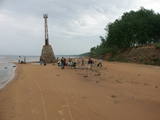 |
Ķurmrags is one of the most distinct capes along the Vidzeme shore of the
|
|
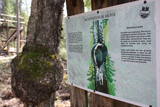 |
1,7 km gara lokveida taka, kas iepazīstina ar dažādiem meža biotopiem, to iemītniekiem un meža apsaimniekošanas pamatprincipiem. Apmeklētāju ērtības nolūkā ir izveidotas koka laipas un neliels skatu tornis. |
|
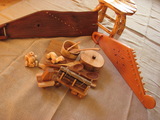 |
Guntis Niedoliņš is a master craftsman, and at this workshop he manufactures wooden jewellery, furniture, interior design objects, spoons, shovels, etc. |
|
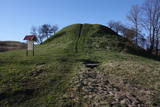 |
Arī Senču pilskalns, Baznīckalns un Velna gulta. Pirmo reizi minēts 1230. gadā kā viens no senās kuršu zemes Vanemas centriem. Ar šo objektu var sākt Abavas senlejas skaistāko skatu apzināšanu. Līdz pilskalna plakumam ved kāpnes, un no tā redzami senlejas vārti un upes ielejas kreisā krasta nogāze, kuras piekājē izvietojusies Jaunkandava.
|
|
 |
The owners grow shitake mushrooms and offer tours with information about how mushrooms are grown and what their nutritional properties are. Mushrooms can be bought, and consultations are available. The owners also offer other types of biological farm produce, as well as honey. |
|


