
| No | Name | Description |
|---|---|---|
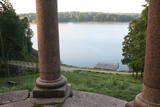 |
These are beautiful and impressive views, particularly early in the morning, of the historical locations of Alūksne. Go to Templis Hill, the Aleksandrs Pavilion, the obelisk which commemorates Heinrich von Fittinghoff, and the memorial to soldiers of the No. 7 Sigulda Brigade for good views. The Templis Hill, the castle ruins, the estate and the pavilions are arhitectural monuments.
|
|
 2 days
|
A scenic and tradition-rich stretch of the Forest Trail symbolised by the onion. Onions were brought to the region by Old Believers in the 17th century. Ladies and gentlemen selling home-made onion strings on the roadside have become somewhat of a business card of the villages. The villages on the twenty-four kilometre stretch of road between Varnja and Kallaste are connected by the tourist route called Onion Road. The landscape is decorated by colourful wooden houses, small fish shops and a restaurant where you can enjoy tea made in the samovar, true to the traditions of Old Believers. You can visit the Kostja’s onion farm, where the host welcomes the guests and shows them onion cultivation. It is also worth visiting the Chicory Museum in Kolkja to get acquainted with the history of chicory cultivation in row villages near Lake Peipus. At the end of the trail you will reach Alatskivi, where the famous Alatskivi Castle is located. |
|
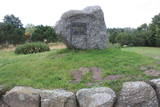 |
Pāvilostā ir trīs parki. Pāvilostas centrā (pie kultūras nama) atrodas Piecdesmitgades parks, kuru 1929. g. iekopa skolotājs un novadpētnieks Ernests Šneiders. Vienu ozolu tajā esot iestādījis Latvijas Valsts prezidents Gustavs Zemgals. Simtgades parks ar piemiņas akmeņiem tapa Sakas labajā krastā jau kā turpinājums iesāktajam. Vecākais no Pāvilostas parkiem - Upesmuižas parks (19. gs.) atrodas tuvu Liepājas – Ventspils šosejai. Upesmuižas pils nav saglabājusies (nodedzināta 1905. g.). Parkā apskatāms sens akmens sols (perimetrs 5,55 m) un Upesmuižas parka Lielais akmens. Domājams, tas ir kultakmens. |
|
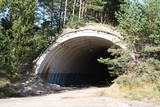 |
This was at one time an important element in the protection of Soviet Latvia’s shoreline. A visually interesting and impressive territory near the seashore, it has sadly not been properly managed and is thus full of trash.
|
|
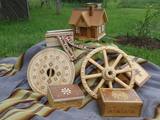 |
The workshop and “Dream Hut” exhibition hall at this venue offer a look at turned wood products such as candelabras, dishware, beer steins, vases, glasses, mortars and pestles, small boxes, wooden paintings, etc. You can commission and purchase products and watch the master at work. |
|
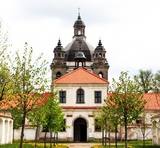 |
Ein hervorragendes Sakralensemble im Barockstil (17 – 18 Jh.), eine Kirche und ein tätiger Nonnenkloster. |
|
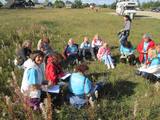 |
The owner will tell you about wild plants and help you to cook tasty meals with them. You will receive valuable advice about how to use these gifts from nature for nutritional purposes and to improve your health. |
|
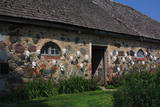 |
Meklējama Skaistkalnes dienviddaļā, Mēmeles labajā krastā, Skolas ielā 5. Vietvārds Šēnberga tulkojums no vācu valodas nozīmē „Skaistais kalns”. No sarkanajiem ķieģeļiem celtā divstāvu muižas pils (historisma stils) tapusi ap 1894. g. (arhitekts Pauls Makss Berči). Ēkā ir saglabājušies dekoratīvās apdares elementi un iespaidīgs kamīns (vienīgais tāds Latvijā), uz kura atainota dzimtbūšanas atcelšanu Latvijā. Kamīnzālē atrodas pirms četriem gadiem atjaunotais griestu plafons. Muižas pilī atrodas Skaistkalnes vidusskola. Muižu ietver parks, kurā atrodas citas ar muižu saistītās ēkas. |
|
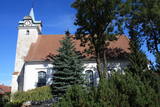 |
The church was built between 1640 and 1642 as a mark of respect for the king of Poland. It was commissioned by Duke Jacob Kettler and has a confessional bench with allegoric paintings (1691), as well as three altars decorated with Rococo carvings. There is a 16th century sculpture of the Madonna and her child. Contact the church for a tour. |
|
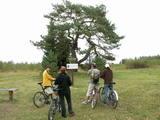 |
This tree, too, was supposedly planted by the king of Sweden – and upside down, no less.
|
|
 6 days
|
You will start your hike from the popular Latvian spa town of Jūrmala. The route is great for those who like to hike along the coastline, with former fishing villages full of unique coastline charm, as well as lonely and seldom visited beaches. Many villages have small smokehouses where dried fish can be bought. Your destination is Cape Kolka, which the father of Latvia’s maritime school, Krišjānis Valdemārs, considered to be the centre of Europe. The cape has been known as a very hazardous shipping route since the age of the Vikings. Cape Kolka is also a fantastic place to watch birds. Route information from Latvijas Lauku forums |
|
 |
Mājražošanas uzņēmums no Jaunjelgavas novada Seces pagasta. Savu hobiju (kūpināšanu) uzņēmuma saimnieks ar pieredzi papildinājis vairāku gadu garumā, taču plašākam pircēju pulkam produkcijas klāsts piedāvāts no 2013. gada. Uzņēmumā tiek kūpinātas lielākoties tikai Latvijā audzētas zivis, ar tradicionālām metodēm, izmantojot alkšņu malku, nepievienojot e-vielas. Piedāvājumā ietilpst arī kūpināta vistas gaļa, jūras asari, kā arī citi kūpinājumi. |
|
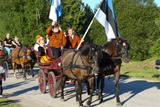 |
Tihuse farm provides accommodation and horse riding from trekking to carriage rides. A signposted heritage trail starts at the farm and tells the story of people and Nature; you can also learn about old beliefs and customs. The teahouse exhibits photos of places linked to Muhu island’s heritage. |
|
 |
~6,000, including nearly 300 types of dahlias, 120 types of azaleas, and 100 types of outdoor rhododendrons.
The conservatories of the botanic gardens contain various exotic and tropical plants and fruit trees, including lemon, banana, pineapple, fig, olive, avocado and coffee bean plants. There is a broad collection of cacti, as well as the largest collection of palm trees in Latvia. Outdoors, there are lots of winter-resistant plants, medicinal plants, and poisonous plants. The plants are arranged in systematic groups – something which is typical only of the botanic gardens of universities. This is the only place in Latvia where you can see so many flowering magnolias in a single place in the spring.
Outdoors you will find the Sweet Chestnut (Castanea sativa), the Gingko (Ginkgo biloba), the Dawn Redwood (Metasequoia glyptostroboides), the White Mulberry (Morus alba), and the Common Walnut (Juglans regia). The conservatories include several types of the highland tamarin (Araucaria bidwillii and A. heterophylla), the Wollemia Pine (Wollemia nobilis), the Moreton Bay Fig (Ficus macrophlla), the Water Lily (Victoria regia), etc.
|
|
 8 days
|
The tour from Rīga to Tallinn combines natural and cultural heritage and includes lovely landscapes and 15 nature trails which cross marshlands, meadows and forests along the shores of the Baltic Sea, including several protected nature reserves. Many trails are equipped with viewing towers for birdwatching. Randu meadows near Ainaži contains one third of Latvia’s entire plant species. A boardwalk leads through reeds to a viewing platform with views over the meadow and the sea. Saaremaa island is interesting with very different natural attractions to the mainland - dolomite cliffs, juniper heaths, a meteorite lake and rocky sea shore. The tour passes rural farms and traditional villages typical of the coastal areas. Hiiumaa island is a laid back place and retains a very Estonian atmosphere with an important bird reserve at Käina Bay, unusual Sääre Tirp as well as several small islets off its south-eastern coast. Back on the mainland, Paldiski peninsula gives a glimpse of the recent history with its former Soviet military base |
|
 |
Regīna Kalniņa is one of the best known craftswomen in Kurzeme. She weaves blankets and shawls and knits colourful mittens. She also sews Rucava and Nīca folk costumes. The process of weaving and knitting can be viewed. Regīna’s products are widely demanded in Latvia and in other European countries. |
|
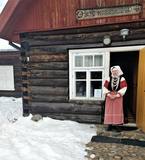 |
While you are in Obinitsa Seto Museum you can learn more about the lifestyle and culture of Setomaa's people. In the museum you can see a lot of items that are very important to their culture, for example the fine handicraft of the Seto women. Also since 2015 here you can also learn about other Finno-Ugric nations. There is a possibility to shop in the souvenir shop. |
|
 |
The restaurant, located in the heart of the Old Town of Kuldīga, boasts an outdoor terrace and beautiful city views, offering Mediterranean cuisine with appropriate wines and local drinks. |
|
 |
This wooden pathway will introduce the visitor to a high-type swamp and a unique habitat – a place where sulphur streams flow into the Raganu swamp. The little lakes in the swamp are unique – they are the result of sulphur bacteria, and there is a special range of species in those lakes. The landscape is interesting, and the smell of sulphur pervades, mostly from sulphur ponds. The trail is 800m long and will require 20 minutes to an hour to traverse. The object is on the border of the Zemgale and Vidzeme regions.
|
|
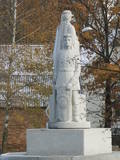 |
Dobele name in historical sources for the first time is mentioned in1254. Dobele was one of the most fortified Semigallian places; therefore from 1279 until 1289 it survived six attacks by German crusaders. In 1289 Semigallians was forced to retreat. In 1335 conquerors instead of Semigallian castle began construction of new - stone castle. On the opposite shore of Berze - on the left bank merchants and craftsmen village began to form. Town suffered greatly during the Northern War and during the subsequent plague. A significant event in the economic life was the 1927, when Liepaja-Gludas railway line was built. After World War II in Dobele and its vicinity came to the Soviet militaries, who built one of the largest Soviet tanks range "Dobele-2". Now Dobele travellers are offered a range of interesting sites to be visited. |
|


