
| No | Name | Description |
|---|---|---|
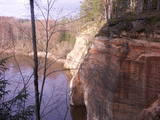 |
The viewing area on the Ērgļi (Ērģeles) cliffs offers an impressive view of Latvia’s most monolith sandstone cliffs (up to 22 metres high) – this is the highest location in the Gauja River valley. Please be very careful and don’t go anywhere near the edge of the cliff!
|
|
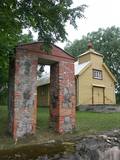 |
The building was built in 1800 and rebuilt in 1825. Zosna Catholic Church is one of the smallest wooden churches in Latgale and the oldest church of the Rāzna National Park. The building is famous for the altarpiece "Madonna with a child". Noteworthy is also the gate, fence (built from red bricks and boulders) and the bell tower. Not far from the church there lives a manager with whom you can agree on seeing the church from the inside. |
|
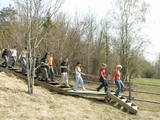 |
This path is found on the right bank of the ancient Abava river valley. The visitor will be able to view places where underground streams create wetlands, various kinds of meadows, a stand of juniper bushes, etc. The area is “managed” all year long by “wild” cows. The shore of the ancient valley can be climbed (some 200 steps), and the view is magnificent. It is recommended that the trail be visited in the company of a knowledgeable guide. There is a shorter path that is 600m long, along with a longer one that is more than a kilometre in length. It will take an hour or so to traverse it. Objects are found in the ancient Abava valley nature park.
|
|
 1 day
|
The Baltic Coastal Hiking Route starts at the center of Mazirbe village where you can see the Livonian National House. Continuing through small forest and country roads past the former Mazirbe Naval school, it winds through small coastal Livonian villages: Košrags, Pitrags and then Saunags. The Livonian coast is the only place where you can get to know the cultural history heritage of one of the smallest peoples in the world, the Livonians. In this section, the indicating signs are in both the Latvian and Livonian language. At the end of route you will see Cape Kolka, the point where the Great Wave Sea meets the Little Wave Sea. It is one of the most popular bird-watching sites on the Baltic seacoast. |
|
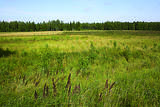 |
A legendary location which is said to have
been the site of a lake which, in 1838, was poured into the sea. When the
water was gone, remnants of ancient tree stumps and ships were found at
the bottom of the lake.
|
|
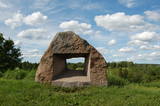 |
The open-air museum was proposed in 1992 by the sculptor Ojārs Arvīds Feldbergs, and it is located on the banks of the Ancient Abava River valley and on land that was once part of the Firkspedvāle and Briņķpedvāle estates. The park features contemporary art, and the museum also organises symposiums, creative workshops and other events. |
|
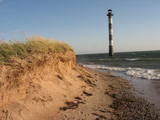 |
Sāmsalas ziemeļrietumu daļā jūrā iestiepjas iespaidīgā Tagameizas pussala (Tagamõisa poolsaar). Tās ziemeļrietumu daļā meklējama mazāka – ap 5 km garā Harilaidas pussala (Harilaid). Pussalas vidusdaļā viļņojas Lajalepas ezers (Laialepa järv) - bijušais jūras līcis, kas zemes garozai ceļoties, kļuvis par iekšēju ūdenstilpi. Arī pati Harilaida (igauniski „laid” nozīmē „saliņa”) vairāk nekā trīs gadsimtus atpakaļ bijusi sala. Harilaidu iecienījuši ne tikai migrējošie putni, bet arī roņi, kurus piesaista vientuļi līči un akmeņainās sēres. Harilaidu var apmeklēt tikai ar kājām vai ar divriteni, bet spēkrati ir jāatstāj autostāvlaukumā. No tā ~ 1 km attālumā atrodas vieta, kur pēc 17. gs. radies Harilaidas savienojums ar Sāmsalu. Šeit paveras nepierasti klaja un akmeņaina ainava. Pārējā Harilaidas daļa ir apmežota pirms ~ 40 gadiem. Kopumā būs jāveic ~ 10 km garš pārgājiens. |
|
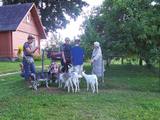 |
Latgale Farmstead „Mežmalas”. The owners of the farmstead created an interesting collection of the old
household items, tools and equipment of the 19th and 20th century. The visitors are offered to try plainting of
the scale basket. Sale of baskets and herbal tea. Enjoy walking along the energetic path through the pine forest.
Working hours: on request |
|
 |
Kazas piena produkti, ēdieni no kazas izcelsmes produktiem, izglītošanās programmas. |
|
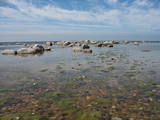 |
This is an important territory for the protection of reefs. It is opposite the Salacgrīva Administrative District and covers 3,577 hectares. The marine part of the “Rocky Shore of Vidzeme” nature reserve is a part of the territory.
|
|
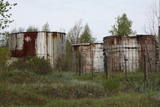 |
The former missile transport facility at Karaosta is not used any more. The territory is mostly closed off to visitors.
|
|
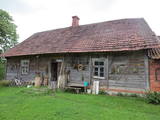 |
The master craftsman produces wooden spoons of linden and birch, as well as sauna switches with apples. You can watch him at work, try your own hand at making a spoon, purchase finished products, tour a collection of spoons, and also visit the old farm buildings. |
|
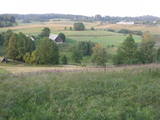 |
This restricted area protects the highest hillock in the Alūksne highlands – Dēliņkalns Hill – as well as the biotopes on its hillsides. The local landscape is also protected. Downhill ski trails are on the mountain, and its southern side offers lovely views.
|
|
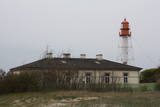 |
In Soviet times, all lighthouses were military objects. Today the lighthouse at Pape is managed by the Latvian Maritime Administration, and it can only be viewed from the outside.
|
|
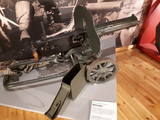 |
Ikšķiles vārds Pirmā pasaules kara laikā izskan saistībā ar diviem notikumiem – Ikšķiles priekštilta nocietinājumiem (Nāves sala) un kaujām pie Mazās Juglas upes. 1917. gadā 1. septembra rītausmā Vācijas impērijas armija uzsāka uzbrukumu iepretim Ikšķilei ar mērķi ieņemt Rīgu un saņemt gūstā Krievijas 12. armiju. Ar spēcīgu artilērijas atbalstu vācu vienības izsita Krievijas armijas karavīru daļas no Ikšķiles pozīcijām, kas savukārt ļāva Vācijas armijas karavīriem pa trim pontonu tiltiem šķērsot Daugavas upi. 1.septembra pēcpusdienā vācu izlases vienības sasniedza Mazās Juglas upes apkārtni pie Tīnūžiem, kur tām negaidīti ceļu aizšķērsoja no rezerves steigā atsauktā 8000 vīru lielā 2. latviešu strēlnieku brigāde, kura ieņēma pozīcijas gar Mazās Juglas upi. Latviešu strēlniekiem tika pavēlēts aizkavēt vācu karavīrus, līdz visa 200 00 vīru lielā Krievijas 12. armija izies no aplenkuma, nenokļūstot vācu gūstā. Latviešu strēlnieki savu uzdevumu izpildīja pilnībā, diennakti cīnoties pret gandrīz desmitkārtīgu vācu pārspēku. Kauja pie Mazās Juglas upes bija viena no traģiskākajām un reizē viena no leģendārākajām Latvijas vēstures lapaspusēm. "Tīnūžu muižā" ir izveidota 1. Pasaules kara tēmai un Juglas kaujām veltīta ekspozīcija. |
|
 |
SPURA iznomā SUP dēļus, organizē privātus, korporatīvus pasākumus un dažādus SUP piedzīvojumus Rojas un Irbes upē, kā arī citās ūdenstilpnēs (plašāka informācija par piedzīvojumiem atrodama www.spura.lv). SPURAS SUP dēļi piemēroti gariem pārbraucieniem, jogai, fitnesam, sportam, sacensībām un atpūtai, - tie piemēroti gan pieaugušajiem, gan bērniem. Nodrošinām ar visu nepieciešamo supošanas inventāru līdz 40 personām, nogādāsim līdz supošanas vietai, piedāvājam izstrādātus SUP maršrutus un piedzīvojumus, organizējam ūdens un citas sporta aktivitātes. Pieejama kajaku noma (vienvietīgi un 2+1vietīgi) laivošanai pa Rojas upi, to transportēšana Rojas upes apkārtnē. Iespējams iznomāt kajaku līdzņemšanai un doties uz sev izvēlētu ūdenstilpni. Iznomājam ūdens velosipēdu (katamarānu) braucienam pa Rojas upi un airu laivas. Pieejama hidrotērpu noma. |
|
 |
The museum set up in 1982 presents life and activity of the region from the late 19th C to the recent past. Temporary exhibitions are held in the barn and more than 200 species of trees and shrubs can be viewed in the parkland extending over 17 ha. Themed events include baking bread, celebrations of folk holidays are frequently arranged. From the museum visitors can access Velise cultural and natural heritage trail. |
|
 |
This lovely farm features lilies, peonies and other flowers, as well as a beautiful rock garden and a dendrological park that is under development. Bees from more than 100 hives produce honey. The lady of the house will take you on a tour and offer plants and honey products for sale. |
|
 7 days
|
The most spectacular autumn events are the Crane shows which can be observed at the bogs and fields. The tour will pass several of these places. We have included different biotops in the tour- seacost, different forests, bogs and fish ponds- in order to see various bird species. |
|
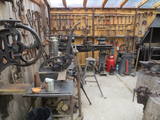 |
Saimniecības zemi, kas atrodas starp Ulbroku un Vālodzēm, 1929. gadā nopirka tagadējā saimnieka – Dzintara Āboliņa vectēvs. Tajā laikā arī tika uzcelta klēts, kurā glabāja saimniecībā izaudzēto lauksaimniecības produkciju. Krīvu klēts atdzimšana notika pirms 20 gadiem, kad tagadējie saimnieki tajā uzsāka veidot muzeju no sadzīves priekšmetiem un darba instrumentiem, kas savulaik izmantoti Krīvu saimniecībā. |
|


