
| No | Name | Description |
|---|---|---|
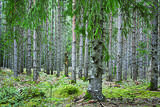 |
Kaziņmežs is a small area of forest to the East of the Cirste-Mazirbe road where
it intersects with the Kolka-Ventspils road. This is a fabled place. When we take the
Krustceļš route through Kaziņmežs, we arrive at the Kolka-Ventspils road (P 124).
|
|
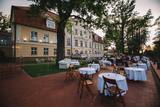 |
The restaurant is located in the Mālpils manor building that was renovated in 2008 and is a classicism architectural monument of the 19th century. The restaurant's menu changes and is updated according to the season. Combination of exquisite flavour nuances with an elegant manor interior. |
|
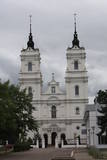 |
Atrodas t.s. Baznīcu kalnā - A. Pumpura ielā 11 a. Varenais neobaroka stilā celtais dievnamu tapis 1905. g. Pastāv viedoklis, ka par šīs baznīcas prototipu izmantotas Aglonas vai Krāslavas bazilikas, kā arī Rietumeiropas baznīcu paraugi. Tās interjeru rotā divstāvīgs altāris, kurā novietota spāņu gleznotāja B. E. Muriljo pazīstamās gleznas “Svētā Dievmāte” kopija. 1909. g. baznīcā uzstādīja poļu meistara Ādolfa Hofmana būvētās ērģeles.No būvniecības laika saglabājusies arī pārējā baznīcas iekārta. |
|
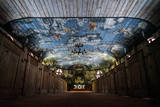 |
This is one of the oldest open-air museums in Europe, featuring 118 old buildings from all cultural and historical regions of Latvia. You’ll be able to our farms, craftsmen’s and fishermen’s farms (including Liv ones), and a farm once owned by Russian Old Believers in Latgale. Annual celebrations are held, and educational programmes are available. Craftspeople do their work at the museum, and you can quench your thirst at the Priede saloon. |
|
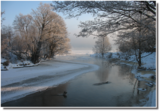 |
Starpiņupīte is an artificial canal
between Lake Kaņieris and the Bay of
Rīga. It helps to regulate the water level in
the lake with a system of locks. This is a
fine place for birdwatching in the spring
and autumn. From the sea, the location
can be identified via the place where the
little river flows into the sea.
|
|
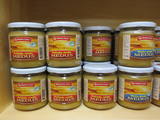 |
The owner offers tours of his beekeeping operation, with visitors wearing the necessary protective gear. You will learn about how honey is produced, watch a video, and be able to taste six or seven types of honey. If you wish, the owner will make pancakes for you. Products are available for purchase. |
|
 |
Atrodas Liepājā, E. Tisē un Lauku ielas krustojuma galā. Pa Ezera laipu (Liepājas ezera palieņu pļavas) var nokļūt līdz putnu vērošanas tornim, no kura labi pārlūkojama ezera ziemeļdaļa. Laba putnu vērošanas vieta. Ietilpst Liepājas ezera dabas lieguma teritorijā. |
|
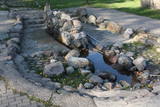 |
Atrodas 0,1 km austrumos no katoļu bazilikas. Jau no 1825. g. Svētavota ūdeni izmantoja dziednieciskiem mērķiem. Līdz 19. gs. 40. gadiem avota ūdens īpašības bija izslavētas tāpat kā Aglonas Dievmātes svētbildes brīnumdarītājas spējas. Tās savulaikapstiprinājusi Viļņas ārstu komisija un Pēterpils akadēmija, taču ap 1840. g. avots savas īpašības esot zaudējis. Tomēr arī mūsdienās svētceļnieki joprojām tic avota spēkam. |
|
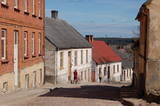 |
Kandava is first mentioned in the articles in 1230. In 1253 the Livonian Order built a stone castle at the upper part of Abava valley shore, at the foot which of an urban area formed. In the 17th century Kandava became an important trading centre. The plague epidemic and developments of World War I hit the town and its people hard. Kandava got the town rights in 1917. During soviet Soviet times, Sports Complex of Jaunkandavas agricultural Technical School became a popular training venue. |
|
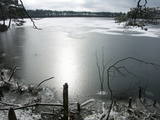 |
Relatīvi grūti pieejama un cilvēka mazskarta teritorija kūdrā izstrādātajā Cenas tīreļa ziemeļaustrumu daļā, kur saglabājušies augstā purva biotopi ar purva ezeriem, kas kopumā veido nozīmīgu vietu ligzdojošām un migrējošām zosveidīgo, tārtiņveidīgo u.c. putnu sugām. Teritorija nav piemērota (un nav vēlams) tūrisma aktivitātēm.
|
|
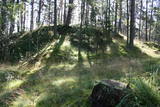 |
Near the place where the Kilmiņupe River flows into the sea is the legendary Trommel castle hill, which was a Medieval fortification. It is some 100 m from the Kraujas homestead. An archaeological dig in 1977 found fragments of bricks and pot-bellied stoves, which suggests that the fortifications date back to the Middle Ages. The location also is linked to stories about a pirate, Trommel, who buried his loot here. The holes in the area have been left behind by treasure hunters. Trommel supposedly robbed ships in the Bay of Rīga from the shores of Kurzeme to Roņu Island. Many ships docked here in ancient times, waiting for better winds so that they could pass by Cape Kolka. The pirate made use of this fact, also pillaging property from sunken ships. It is said that Trommel lived in a stone castle. (Source: Roja TIC) |
|
 |
Atrodas Lubāna dienvidu krastā pie dambja un Īdeņas kanāla, no kura var aplūkot „tipiskas” mitrāju ainavas – niedrājus, aplūstošus krūmājus, mitras pļavas, aizaugušo ezeru. |
|
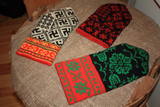 |
The basic exhibition at the museum, “Traditions Related to the Sewing and Wearing of Bārta Folk Costumes From the 19th to the 21st Century”, features folk costumes for unmarried and married women, as well as for men, emphasising the diversity of elements therein. Visitors can help to embroider or weave blouses. The Bārta Ethnographic Ensemble offers two educational programmes – “The Bārta Folk Costume” and “Singing Women From Bārta”. |
|
 |
Atrodas Ķekavā, autoceļa Rīga – Grenctāle (A 7) malā. Iekārtots vēsturiskā ēkā ar atbilstošu koka interjeru. Piedāvā maltītes visām ēdienreizēm, organizē muzikālus vakarus. |
|
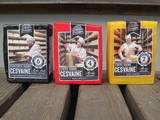 |
There are ancient cheese-making traditions in Cesvaine, where the Cesvaines Dairy was established on the basis of the historical Cesvaine Estate dairy operation. The company produces butter, cottage cheese, cheese, home cheese and soured cream. The “Pie Arkas” store that is alongside the dairy sells those products. |
|
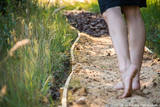 |
Enjoy nature with all of your senses in the Survilai village tourism farm, which is a Swiss village in the Jonavos district. Walk down paths barefoot! The paths are covered with pine cones, puddles, peat, clay, granite, smooth glass, pine needles, hay, an obstacle course, etc. The path is more than a kilometre long, and you will feel unbelievable and positive emotions, as well as an inflow of energy. |
|
 |
For many years, Kaali tavern has offered the best Estonian and Saaremaa dishes and drinks from local ingredients, as well as introduced guests to the history and culture of the island. Visitors of Kaali meteorite crater and museum can enjoy a delicious meal here. |
|
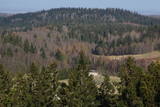 |
This park was set up to protect the landscape and cultural environment of the Haanja highland. At the central part of the park are the two highest hills in the Baltic States – Suur Munamägi, which stands 318 m above sea level, and Vällamägi, which is 304 m above sea level. The ancient Rõuge River valley (Rõuge ürgorg) is found in the western part of the park. It is 7.5 km long and up to 60 m deep. The valley dates back to the Ice Age, and it has seven lakes, including the deepest one (38 m) in Estonia – Lake Rõuge Suurjärv.
|
|
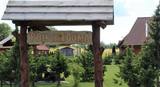 |
Peaceful place in nature for great relaxation. Food is prepared from the local ingredients of Hiiumaa according to the preferences of guests. In addition, you can enjoy a genuine wood-heated sauna and bathing barrel, children's playground. |
|
 |
The Forest House (Meža māja) was built
in 1933, and this is one of the most
outstanding buildings in Latvia from the style
of National Romanticism. It used to house an
enormously popular restaurant, “Merry
Mosquito" (Jautrais ods). The restaurant was
popular among the spa’s guests, but also
among prominent people of the day. A
children’s sanatorium was installed here after
World War II for kids from all over the Soviet
Union. When the Ķemeri National Park was
established in 1997, the building became its
headquarters and today it is a modern visitors’
centre.
|
|


