
| No | Name | Description |
|---|---|---|
 |
This progressive biological farm grows some 50 types of biological vegetables and greens. The farmers own 10 ha of land where they grow various vegetables outdoors and in greenhouses in the Biržu region. |
|
 12 days
|
This route includes some of the most authentic experiences that can be found in the regions of blue lakes in eastern Latvia and Lithuania. No masses of tourists are here, and local residents are sincere and hospitable. You will find traditional villages, many religious objects and farms that represent agricultural heritage. You will ride through the Rāzna National Park, which is alongside the lovely Lake Rāzna. You will visit traditional farms and ancient castles, as well as the Aglona Basilica, which has been a destination for pilgrims for many years. There is also a bread museum in Aglona. From there you will ride through Daugavpils, which has an impressive 19th century fortress that includes the Mark Rothko Art Centre. Along the way you will find potteries where traditional ceramics are offered. You will learn more about breeding horses and cows, as well as about how traditional cheeses are made and herbal teas are prepared. Next you will ride through the Aukštaitija National Park that is on the border between Latvia and Lithuania. You will see ethnographic villages with wooden castles, as well as many lakes. It is worth visiting the Stripikiai Beekeeping Museum, the local open-air art museum, as well as the European Centre. To be sure, you will enjoy local Lettigalian beer, as well as zeppelins, which are a traditional dish in Lithuania. |
|
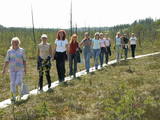 |
This is a highland swamp with several little lakes. At the SE of the area is a wooden trail.
|
|
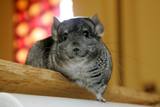 |
The owner of the farm offers attractive tours during which you will learn about chinchillas, animal enclosures, as well as quails which you can view and purchase. |
|
 |
A small producer that grows strawberries on the farm, smokes and marinates fish Estonian style. Here, mead and house wine is also made, as well as various meat products. |
|
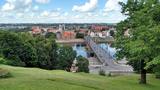 |
The second biggest city in Lithuania and from 1920 – 1939 - a temporary capital. The Old Town, The Town Hall (16th century), St. Peter and Pavil cathedral - basilica (15th century), Thunder building (15th century), Laisves alley, Ciurlionis Art and Devil Museum. |
|
 |
33,5 m augstais tornis tikai nedaudz paceļas virs priežu galotnēm. Tas meklējams Dzintaru mežaparkā, kas ir ģimenēm ar bērniem draudzīga vieta. No torņa redzami Jūrmalas meži, augstākās ēkas (sanatorijas, viesnīcas) un Rīgas jūras līča ūdeņi. |
|
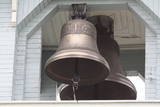 |
The Rēzekne Old Believer Prayer House of St Nicholas is in the southern part of the city, at Siņicina Street 4. The house of worship was built in 1895 and rebuilt in 1906. Its tower has three silver and brass bells (restored), and one of them is thought to be the largest bell in Latvia (4,832 kg with a tongue that weighs 200 kg in and of itself). Alongside is a museum which features the cultural and religious environment of the Old Believers. |
|
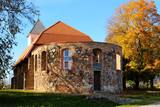 |
Dievnama mūri kā svētvieta glabā ne tikai svētuma starojumu, mierinājumu, bet arī smagus, rūgtus un iznīcinošus notikumus. Vairākkārt pārbūvēta, sagrauta, dedzināta, un tomēr atjaunota. |
|
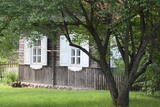 |
Vieta, bez kuras apmeklējuma nav iedomājama Dzūkijas vēstures un kultūras izziņa! Muzejs meklējams Marcinkones centrā, netālu no dzelzceļa stacijas. To noteikti ir jāiepazīst vietējā gida pavadībā, kas pastāstīs daudz interesantus faktus par dzūku tradīcijām un attiecībām ar mežu. Muzejā ir apskatāma dzīvojamā ēka ar ikdienas sadzīves priekšmetiem un rija, kas pārsteidz ne tikai ar savu plašumu, bet arī vairākiem interesantiem eksponātiem, no kuriem ir jāpiemin milzīgs sēņu grozs (tajā iegāja 110 kg gaileņu!), 750 gadus veca vienkoča paliekas, bitenieku un vietējo amatnieku instrumenti u.c. Rijā notiek ikgadēji ar dzūku kultūru un vēsturi saistīti pasākumi. Visbeidzot, te var iegādāties vietējos suvenīrus un medu. Ja ir vēlme iepazīt Marcinkones tuvāko apkaimi, ar kājām var doties pa 13 km garo Zackagira dabas taku (Zackagirio gamtinis takas). |
|
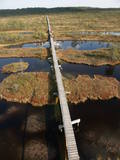 |
This reserve was set up to protect local swamps and surrounding wetlands. Please note that before you can visit the reserve, you must register with the local administration and visitor centre in the village of Tooma.
|
|
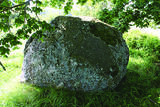 |
The great Black Plague rock, which has engraved text that can still be seen
to a certain extent – it tells future generations about the local pastor who died
from the plague, about how the parsonage was established at Sīkrags and then
moved to Mazirbe. The rock is also a monument to six pastors of the nearby
congregations. All the three stones tell about the horrors of the Black Plague in
1710, the texts have been engraved during the parson Peterson in 1711-1734.
|
|
 |
Dendrological plantings by Māris Linde are located in Aizpute, about 1km to the south-west of the town centre. Under trees, there is a decorative garden showing rare tree and flower cultivars. The owner shares attractive stories about the plant varieties in his garden. Visitors can buy plants and learn about the books written by Māris Linde. |
|
 16 days
|
This long-distance tour follows the Baltic Coastal Hiking Route from the Lithuanian coast, starting on the island of Rusnė and continuing to the Curonian Spit, running along the Baltic Sea coast to Cape Kolka and finally reaching Rīga. On this route you will hike some sections of the Baltic Coastal Hiking Route and experience the diversity of coastal landscapes: rocky beaches, steep shores, overgrown beaches, bird migration sites, vast sandy beaches. You will walk on solitary beaches with no-one in sight for several kilometres just to suddenly find yourself in lively resort towns. There are both sections of hiking and bus transfers along the route. Initially you will visit the peculiar island of Rusnė with its bird migration sites, observation towers and the delta Crossing the Lithuanian/Latvian border on foot you will stop over at the Pape Nature Park and enjoy its lighthouse, wild horses, the authentic fishermen village and local museum. The walk on lone beaches takes you to the top of the highest dune in Latvia – the Pūsēnu dune – and afterwards continues to reach the village of Bernāti. Next on the route is the windy seaside city of Liepāja, also known as the Latvian capital of rock music. Karosta is another distinctive site in Liepāja – it is the former military town and nearly every street of this part of the city has some footprints of its military heritage. Heading further, your feet will take you through the solitary beaches of Ziemupe to the village of Pāvilosta. If you are lucky, you might find some ambers washed ashore. Pāvilosta is a small charming village with a marina and some notes of smoked fish lingering in the air. Moving on, from Ventspils through Slītere National Park, through the Livonian fishermen villages to finally reach the Kolka Cape – the meeting point of the Baltic Sea and the Gulf of Riga. Also, a top site for bird watching. At the end of the tour, the Baltic Coastal Hiking Route leads to Engure Nature Park, meandering through reed trails running between the villages of Mērsrags and Engure. The tour ends in Jūrmala with its wide sandy Beaches, the bustling urban life of a resort town, impressive villas and summer cottages, and the Ragakāpa Nature Park in the resort’s neighborhood Lielupe. |
|
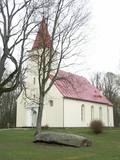 |
Located in the
|
|
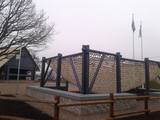 |
Meklējama Tārgales ciema centrā. 2018. g. nogalē atklāta Lībiešu zvejnieku sēta ar dzīvojamo māju, kurā ir saimes galds un soli, kūti, tīklu žāvētavu un mākslīgi radīts kāpas fragments. Sēta veidota kā atklāta tipa objekts un to var apmeklēt jebkurā laikā. Apkaimē saglabātas vietējās koku sugas. |
|
 |
GiLine ir ģimenes uzņēmums, kurš ražo konfektes Konfelāde un sīrupus. Konfelāde ir sulas konfektes, kas ražotas no Latvijā iegūtām augļu un ogu 100 % sulām, neizmantojot konservantus un garšas pastiprinātājus. Ražošanas procesā tiek izmantots roku darbs. Arī sīrupā izmantotas tikai dabīgas izejvielas. Piedāvā radošās ekskursijas ražotnē. |
|
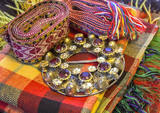 |
Features vivid woven Suiti textiles and offers master's classes. You can also purchase souvenirs. Contact the workshop in advance if you want to take part in the classes. |
|
 |
The café is in the basement of the Līgatne Cultural Centre. There is a summer terrace alongside the Līgatne River. Latvian cuisine: Herring, cold soup, sausages, pork haché, hunter’s sausages, pork ribs, pancakes with cottage cheese, potato pancakes. Special foods: The “Pie Jančuka” pork chop. |
|
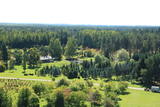 |
This arboretum is in a lovely location in the Vidzeme highlands. It covers 140 hectares of land and offers a look at interesting coniferous trees, lianas, lilacs, rhododendrons and peonies. The facility has a modern visitor information centres.
Unique species: The Tulip Tree (Liriodendron tulipifera), the Fringe Tree (Chionanthus virginicus), and the Kobushi Magnolia (Magnolia kobus).
|
|


