
| No | Name | Description |
|---|---|---|
 |
Saimniecība nodarbojas ar sporta zirgu audzēšanu, sniedz zirgu viesnīcu pakalpojumus un var nodrošināt zirgu izmitināšanu brīvā dabā 24/7. Tiek audzēti kumeļi no augstvērtīgiem ērzeļiem: Aromāts (Acorado/Capiotol I), Fumo Twirre MP (Numero Uno/Voltaire), Cool Crack Z (Cornado I/Cassini II). Saimniecībā tiek izmitināti arī citi lauksaimniecības dzīvnieki, kurus viesiem ir iespēja apskatīt, samīļot un pacienāt ar gardumiem. Ir iespēja baudīt lauku gaisotni un apgūt iemaņas, kā izaudzēt veselīgu pārtiku - olas, gaļu, garšaugus. Piedāvājumā arī piknika vietas, noma korporatīviem pasākumiem un bērnu ballītēm, telšu vietas un aktīvās atpūtas iespējas. Ikdienā apkalpo tikai individuālus viesus vai korporatīvus pasākumus, saimniecība netiek piedāvāta plašākai apskatei. |
|
 |
Торговый канал, протяженностью неполных 3 км, в советское время являлся закрытой зоной со статусом режима приграничного района. Лиепайский порт был известен еще в XIV столетии. В конце XVII века здесь выкопали канал, который соединил море с Лиепайским озером - теперешний Торговый канал. Заканчивается он Зимним портом и двумя молами, из которых Южный мол служит излюбленным местом для прогулок и рыбалки. В южной части Торгового канала тянется Променад, на котором установлены Янтарные часы. |
|
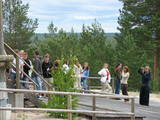 |
The word “Luitemaa” means “land of the dunes” in Estoninan. This coastline territory stretches for 13 km between Vöiste and Häädemeste with shallow waters, large coastal plains, Estonia’s highest dunes, and the Tokuse swamp (Tokuse raba). There are lots of birds here.
|
|
 |
The farm specializes on growing and reprocessing cranberries and blueberries. They offer tastings of the products and purchasing those in a small local shop, as well as a 2-hour-long excursion around the farm. |
|
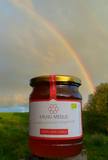 |
Possibly the highest bee apiary in the Baltics, about 300 m above sea level. Organic beekeeping products are harvested in Gaiziņkalns and its surrounding area. We offer excursions in the farm, bee apiary workshops, tasting of beekeeping products. |
|
 |
The organic farm Zemturi is a 30 min drive from Kuldiga. The farm is mainly engaged in breeding rabbits and is designed as a place for children to see, learn about rabbits, birds and other pets. The hosts have created two thematic trails, one for pets and poultry and the other for trees and flowers. Sauna lovers have access to the sauna, also fishing opportunities can be used. Overnight stays with family or a small group of friends are also offered. Excursions for big and small. |
|
 10 days
|
This tour will surprise you with the diversity and unusual products of farms. You will visit several farms that offer ecological produce that can be tasted and purchased. From Vilnius, you will travel to an ecological goat farm that offers 60 types of cheeses made of goat milk. Next you will visit an ethnographic Lithuanian farm that breeds horses and sheep. You will spent a day in Kaunas to visit the Nemuna River valley, as well as the Raudone and Panemune castles. A picnic at a farm with acorn coffee, pancaked baked on a campfire and soup made of locally picked wild mushrooms. The ecological Buivydai farm breeds cattle and grows blackberries. Along the way you will visit the Courlandian Dune, the Sea Museum and Delphinarium and the most popular spa town in the dunes, Nida. From there you will drive to Latvia, where the Pape Nature Park offers a look at wild horses, and the ethnographic Ķoņi village is an old seashore fishermen's village. In Liepāja, it will be worth visiting the local market, which is more than 100 years old and offers seasonal vegetables, fruit, greens and flowers from local farms. Next you will visit an environmentally friendly farm that has 130 different types of apples and a wine operation that prepares wines from local fruits and berries. The farm uses biodynamic farming principles to grow beans and peas, as well as to breed livestock so as to produce tasty sausages. Next you will visit the lovely Medieval town of Kuldīga and its brick bridge across the Venta River. An environmental health farm will allow you to enjoy herbal teas and learn about various ecological cosmetics made of plants from the clean environment. Along the way you will enjoy the landscape of the ancient Abava River Valley and visit the Sabile wine hill where grapes are grown to produce local wines. Next you will visit the charming small town of Talsi, where you will find the Latvian Agriculture Museum. The tour will conclude at a farm which grows fruits and vegetables and offers syrups, jams and canned vegetables. You will complete you tour in Rīga. |
|
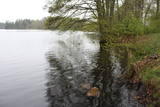 |
It is rare type of lake in Latvia and there are only of few this type of lakes in Kurzeme region. The lake is characterized by high water limpidness (very attractive for tourists) and very rare plant species for Latvia. Nature park includes the lake, costal area and forest on the East from the lake, few smaller lakes and Sarlote Pond. There are several tourist accommodations located around the lake.
|
|
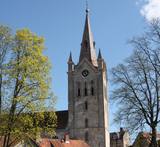 |
Gebaut am Ende des 13. Jh. als eine dreischiffige Basilika im romanischen Stil mit gotischen Elementen. 1853 wurde der 65 m hohe Turm aufgebaut (Aussichtsplatz). In der Kirche befinden sich die Grabsteine der livonischen Bischöfe, Kanzel (1748), Altar aus Eichenholz (1858), Altarbild (1862), Buntglasfenster und eine der besten Orgeln Lettlands (1907). |
|
 |
The café is in the centre of Jēkabpils and offers pizzas, pastries, cakes, tortes and sweet pretzels, as well as cured meat, tasty venison and wild boar dishes, and products from local producers and farmers. |
|
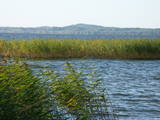 |
A beautiful part of the Rēzekne-Dagda-Krāslava road – along two km or so, you can see Lake Rāzna and Mākoņkalns hill, which is 10 km away on the other shore of the lake. |
|
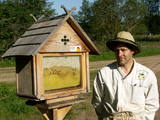 |
The name of the location translates to “Honey Castle,” and the owner has some 300 hives of bees. Honey that he has produced has won a number of prizes. He offers hogweed honey, honeyed local berries, and honey straws for children (the only place in Latvia where these are offered). You can tour the farm, taste ten types of honey, and purchase beekeeping products. “Extreme Beekeeping” is a process which will allow you to put on a beekeeper’s suit to learn about the hard-working insects up close. The owner also produces wax candles. |
|
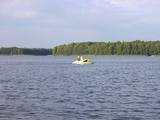 |
This nature park protects the landscapes of the Latgale highlands. Of importance here are Lake Ruskulis and Lake Cīrītis with its eight islands, along with the forests of the area. An ancient castle hill is on one of the islands in Lake Cīrītis – the Upursala island. There and on the Oši island, specialists have found more than 250 species of plants. |
|
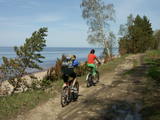 |
The largest NATURA 2000 territory in Latvia covers 6% of the country’s area. It is located in parts of the Limbaži, Valmiera and Valka districts, and it is a place of an enormously diverse range of landscapes, biotopes and species. The Salaca River is one of the most important rivers in the entire Baltic Sea region in terms of spawning grounds for salmon. The river valley and its sandstone cliffs attract many visitors. It is no accident that this is the second most popular river in Vidzeme for water tourism. The shore of the Bay of Rīga, which is not very long, also features a great diversity in landscapes and biotopes. At the northern end, we find the Randu meadows. In the central part there are sandy beaches, but at the southern end – 22 kilometres of rocky shoreline. The so-called Northern swamps are found on the border with Estonia, while the Seda heath is one of the most important places in the region for birds to rest and feed during migration. The reserve also features a diverse forest in which one can find all of the types of forest which are common in Latvia. Nature trails and viewing towers or platforms are found in the Randu meadows, on the banks of Lake Burtnieks, along the Planči and Niedrāji-Pilka swamps, on the banks of Lake Dziļezers and Lake Lielezers, and elsewhere. The Skaņākalns park in Mazsalaca is one of the most popular tourist destinations in Northern Vidzeme. The territory boasts many important cultural monuments, including one of the earliest known settlements in Latvia – a fishing settlement and burial ground which date back to the 5th to the 2nd millennium BC.
|
|
 |
The tree farm focuses on decorative plants, including summer and perennial flowers, fern and collections of peonies. Flower containers and pyramids are made on order. The farm delivers and installs vertical “green walls”. The farm also offers Christmas products and materials for floral design. |
|
 6 days
|
This route will allow you to see Latvia's most impressive medieval castles or their ruins, as well as outstanding manor houses from aristocratic estates dating back th the 18th and 19th century. The mansion of the Ungurmuiža Estate is one of the only wooden palaces left in Latvia from those that were built in the early 18th century. The ruins of the Cēsis Castle are among the most impressive Medieval ruins in the country. The tower of the Turaida Castle offers panoramic view of the ancient Gauja River Valley. About one-half of the route passes through the Gauja National Park. You will arrive at the place where the oldest crossing of the Baltic rivers exists - the rafts which transport people across the river are still powered by the stream itself. |
|
 |
Piemājas saimniecība nodarbojas ar augļkopību un biškopību! |
|
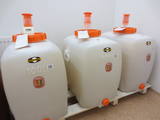 |
The farm produces homemade wine made of rhubarb, birch juice and apples. Tour the winemaking facilities and examine the process. You can taste and purchase products. |
|
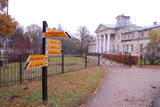 |
The Lutheran Church of Krimulda is considered one of the oldest churches in Latvia. It was originally built in the 13th century, soon after the conquest of Kubesele and later rebuilt many times. Near the church a meditation labyrinth "Lily Flower" is set up. When Liv chief Kaupo fell during the battle at Viljandi in 1217, according to the legend, the ash was buried at the church. A small hill adjacent to Runtinupite (Runtins) is popularly known as a grave site of Kaupo, at its right bank is located ~7 m long, artificially dug Kubesele or Runtin cave. On the left bank of Runtinupite columns the Kubesele hill fort. Kubesele nature trail starts at the church. This trail leads to the Gauja River, where the Great (Runtina) stone lies. Here can be seen anchor pads installed by Gauja raftsmen. Krimulda medieval castle (4 km east of Krimulda Church) was built the second half of the 13th century in the place where the right bank of Gauja valley is split by deep ravine of Vikmeste. Castle (residence of Riga dome capitol - Riga's Archbishop Council) was an imposing building, whose big inner yard was included by 1.5 m thick defensive wall. In 1601, while retreating, Swedish military leader Heinrich Lieven blasted Krimulda castle. Now at the hill fort, grown with the forest a small castle ruins can be seen. Nearby is located air cableway and starts Krimulda mountain road. Located nearby Krimulda manor was first mentioned in writings in the 15th century. Present manor castle was built in the 19th century in neoclassical style (owner - First Lieven). During the twenties of the 20th century, the castle after its alienation became a property of the Latvian Red Cross, which established here children's sanatorium. Nowadays the castle houses rehabilitation hospital "Krimulda", but from the farm buildings, manor stables, barn, servant, manager houses and the so-called Swiss Cottage and Park have been preserved. Thematic tours are offered here. If we go down the Gauja by boat, then we will be able to take a close look at about 15 m high Velnalas cliffs. They can be well seen also from the opposite - left bank of Gauja (resting place is established). In the middle of the cliff about 19 m deep and 4.7 m high Krimulda Velnala cave is located. If we go from the Velnala cave cliffs along the lower part of the right bank of Gauja in Turaida direction, you will see Pikenes cliff, rich with sandstone outcrops. At its foot ~ 1 km long Pikenes beaver trail is established. The Little Devil's Cave (5 m long) is on the side of the trail, with the Gudribas (Wisdom) spring that springs out of the cave, as well as Aunapieres cave which is the same length as Devils cave. Small oxbow lakes also can be seen. |
|
 |
One of Northern Europe's oldest universities (founded in 1632). Many famous people and scientists have studied here. Main building (1804. – 1809.) is one the country's most excellent monuments of Classical architecture. |
|


