
| No | Name | Description |
|---|---|---|
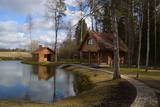 |
Bathhouse on the shore of Jugla river for families (not intended for noisy events). The maximum number of persons - 6 persons. Variety of activities available for parents (Russian bath, fishing in pond, the latest newspapers) and kids (games, trampoline, novus, bicycles, feeding rabbits). Bathhouse is freshly renovated and well-maintained, it is possible to order dinner, breakfast. Bathhouse is located 25 km from Riga, it is reachable by bus. The price depends on the service used and the number of persons. |
|
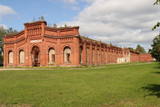 |
This building was erected in 1903 and 1904 to be used for military training, exercises and ceremonial events. An addition to the South of the building held a small church, but it is gone. The building was used for gymnastics performances and competitions for horseback riders. Official meals for the garrison’s sailors were held there, too – the hall could hold up to 3,000 people. Only the outer walls survive today, sad to say. You can view the exterior and interior of the hall at any time. This is the only building of its size and type in Latvia. The roof once had bands of glass tiles.
|
|
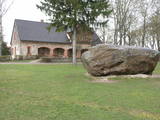 |
The museum is in the Lielvārde Park. It is in the granary of the Lielvārde Estate that was built in the early 19th century. It was later used as a residential building. A veranda was added to it in 1922. The museum has been there since 1970, and it features exhibits about the Latvian national epos “Lāčplēsis” and its author, Andrejs Pumpurs (1841-1902). The museum also features information about the history and ethnography of the Lielvārde Administrative District. Alongside it is a large rock that weighs around 80 tonnes and is known as Lāčplēsis’ Bed. A broken part of the rock is known as the Lāčplēsis blanket. Both rocks were once on the banks of the Daugava River next to the Lielvārde island. Waters from the Ķegums hydroelectric power plant now make waves in that area. Nearby is the so-called Spīdala log that was brought from Aizkraukle.
|
|
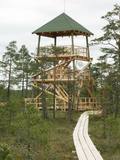 |
This is part of a hiking trail along the Cena bog. It is on the western side of the bog, at the centre of the 5-kilometre circular trail. You can see the vast swamp, as well as a military road that was installed during World War I and is marked by an “alley” of large pine trees. Alongside the tower is a fragment of the road that was installed more recently.
|
|
 1 day
|
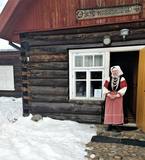
Setomaa has been inhabited for about 8,400 years, which makes it one of the oldest human settlements in Estonia. It is located on the border of Eastern and Western civilisations, bordering Russia, Latvia and Estonia. Setomaa is famous for its well-preserved traditions and culture. For centuries the local handicraft skills have been passed down within families. Seto polyphonic singing (Seto leelo) is inscribed on the UNESCO List of the Intangible Cultural Heritage of Humanity. Setos have distinctive national costumes, rich in detail and unique to each family. Perhaps most impressive is the distinctive array of Seto jewellery. These visually striking pieces not only reflect the social standing of the wearer but are also worn as a safeguard from misfortune. To this day, the Seto lifestyle remains closely tied to nature. It is common practice for the Seto not only to enjoy the natural beauty of the forest but to also use its gifts. Berries and mushrooms are picked freely in their seasons. It is best to start the tour from Võru and finish in Tartu. |
|
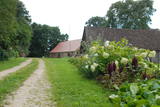 |
The Pilkalne Estate is in a remote location on the border of Latvia and Lithuania, 5 km to the Southwest of Nereta. Lovers of history certain must visit this estate. Why? One reason is that the grain kiln of the estate, which is gradually being restored, and the grain drying stove, a few wooden parts of which have been preserved, are unique in Latvia. The stable and servants’ home have also survived and are populated today. The buildings were built in the 18th century. The owner can tell you stories about interesting aspects of this location’s history. |
|
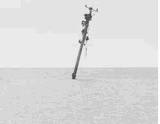 |
The Pape airfield was used for arms training in Soviet times, with bombs being dropped on specific targets. The facility is owned by the regional local government and is not used. There are sunken ships and targets in the sea.
|
|
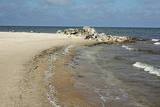 |
The old Kolkasrags lighthouse is just a set of ruins right now. The
lighthouse at the tip of the horn was built in the 16th century and
renovated several times. The ruins are slowly decaying because of storms
and ice during the winter. They had been standing well away from the
shoreline once, but now are slowly disappearing under water.
|
|
 |
Atrodas Rīgas – Ventspils autoceļa (A 10) 92. kilometrā. Piedāvā ēdināšanas pakalpojumus, klāj galdus un organizē citus pasākumus. |
|
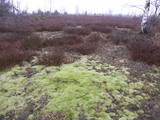 |
Baltijas mērogā unikāls dabas un cilvēkizmantots apvidus, kas veidojies kādreiz - padomju, mūsdienās - Latvijas Nacionālo bruņoto spēku pārvaldītā armijas poligona teritorijā. Poligona lielāko daļu aizņem smilšains vai ar zemiem lakstaugiem un krūmāju apaudzis kāpu masīvs ar atsevišķiem lielākiem kāpu vaļņiem. Rudens laikā šeit lielās platībās zied virši. Unikālā virsāju un aprimušo kāpu ainava un daudzu sugu dzīves vieta bija daži no iemesliem, kādēļ šai militārai teritorijai ir piešķirts arī aizsargājamas dabas teritorijas statuss. Jāatgādina, ka poligona apmeklējumi privātpersonām bez iepriekšēja saskaņojuma ir aizliegti!
|
|
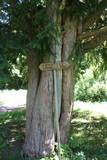 |
This is the thickest and tallest common ivy in Latvia. It is in the park of the Zentene Estate, opposite the mansion (which is now a school).
|
|
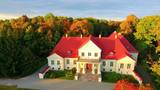 |
The Jakiškiu Estate was first mentioned in documents in the late 16th century. The estate had elements of Classicism in terms of its architecture. Among the buildings, the only ones that have survived are the mansion, an ice cellar and a steam-driven windmill. The estate has not been restored, so it is still authentic. Its artistic soul is preserved by various objects that remain from the time when people lived at the estate and from the Soviet era. Alongside the estate are a few fragments of a park, which covers approximately 2 ha. There is an ancient alley of linden trees that are on both sides of the entrance road, as well as several other valuable types of trees and a small pond. |
|
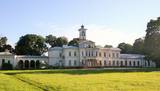 |
This is one of the most expressive estates built in the style of Romanticism. Dating back to the 19th century, it is on a peninsula in Astravo, which can easily be reached from Biržu along the longest wooden bridge in Lithuania, crossing Lake Širvenos. Covering 18 ha, the mixed-plan park was installed from 1851 until 1862. Local fir trees, linden trees and pine trees grow in the park. |
|
 2 days
|
This section of the seacoast of Vidzeme is of outstanding scenic beauty with a lot of rocky capes and boulders in the sea alternating with small, sandy coves where the small streams and rivulets, which dry out in summer, flow into. Occasionally, the beach is completely covered with the gray backs of stones. In Zvejniekciems you need to make a detour around the estuary of the Aģe River and the Skulte port. In some places, small patches of reeds appear, while near Tūja you will see the first sandstone outcrops. Some part of the route can be covered via the beach or via a trail meandering through the dune forest with old pines. At the end of the route, you can see the unique lamprey fishing method - Svētupes nēģu tacis. |
|
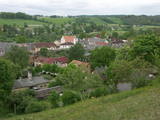 |
The Wine Hill of Sabile has been known since the age of the Duchy of Courland as the northernmost place where grapes were grown to produce more or less sour wine for the duchy. A wine festival has been held each year during the latter half of July in Sabile since 1999. The hill offers an excellent view of the small town that is on the banks of the ancient Abava River Valley. |
|
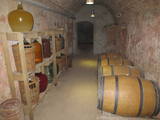 |
The shadowy cellar of the estate is a great place to hear about how homemade wine is made. You can taste rhubarb, black currant and strawberry wine along with local goodies such as cheese. Local farmers provide the ingredients for the wine. |
|
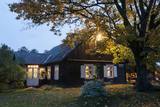 |
Stūrīši is a homestead owned by the Taisel family, offering a collection and a chance to taste Liv foods: fish soup, porridge, sprat sandwiches, pastries, etc. |
|
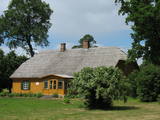 |
The Lejenieki homestead is 1.1 km north of Bangas. Vilis Plūdons (1874-1940) was an outstanding Latvian poet, a representative of the style of National Romanticism, and a schoolteacher. His real name was Vilis Lejnieks, and he was born in at the Lejenieki homestead in the Bauska region. His father was Jānis Lejnieks. As a boy, Vilis was enchanted by fairy tales told by his granny and by folk songs that she sang. Plūdons is buried nearby in the family cemetery. Lejenieki offers an exhibition about the poet’s life and work. The local sauna features sculptures of rabbits, thus recalling Plūdons’ poem, “Rabbit Sauna.” |
|
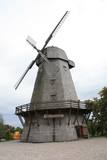 |
The windmill was built between 1867 and 1869 after a design first produced in the Netherlands. Its name is that of its first owner – Riba. The windmill is one of the best preserved architectural monuments of its type in Latvia, and it offers an educational exhibition, “The Path of the Grain.” It talks about the development of agriculture in Zemgale and about grain farming and the baking of bread. Guided tours are available. The windmill is part of the Rožmalas leisure complex, which features a hotel and a restaurant. |
|
 6 days
|
This itinerary allows you to enjoy the Latvian winter at its best. It starts in the bustling capital of Riga with its Christmas market, decorations, shopping facilities, many cultural events and museums as well as a charming Old Town. |
|


