
| No | Name | Description |
|---|---|---|
 |
The restaurant is situated in the guest house Liedags alongside the Liepaja-Ventspils highway, 4,5 km away from Jurkalne on the banks of Enavite river. |
|
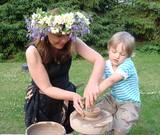 |
The craftswoman uses clay, rocks and other materials to produce dishware and various interior design objects, finishing them in an open kiln. Visitors can take an informational tour, watch the craftswoman at work, and sit down to produce their own cups. Guests are welcome to attend the opening of the kiln. |
|
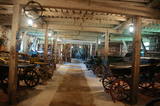 |
The museum is located in Pilkuse manor farm, exhibits on display are carts, carriages and sleighs along with accessories from horse collars to lap robes. Military, emergency and fire brigade carts are extraordinary and rare while a coach and a calash (barouche) are exhibits to be really proud of. Numerous agricultural tools and equipment also ensure hours of excitement and discovery in the museum. |
|
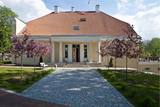 |
The restoration of Kau Manor, which was originally constructed before 1241, was inspired by the colourful history of the manor, and the imagination makes it stand out from the other manors. Kau Manor has won the 2016 World Boutique Hotel Award in the category of the World’s Most Inspired Design Hotel. |
|
 |
The saloon is on the seashore with a lovely view of the beach at Saulkrasti. Here different water sports and entertainment activities are organised. Latvian cuisine: Cold soup, baked filet of cod, homemade steak haché, roast pork, pancakes with cottage cheese, caramelised oatmeal. |
|
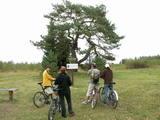 |
This tree, too, was supposedly planted by the king of Sweden – and upside down, no less.
|
|
 |
Ap 1,6 km garā un labiekārtotā Adamovas dabas taka iepazīstina ar Adamovas krauju un tās apkaimē esošajām dabas vērtībām. Takas sākums meklējams pie autostāvlaukuma, no kura paveras plašs skats uz Krāslavu un Daugavas senieleju. Adamovas krauja (aizsargājams ģeoloģisks piemineklis) ir viena no garākajām (ap 1,7 km) un augstākajām (25 - 35 m) Daugavas kraujām. Tā veidojusies sānu erozijas rezultātā, Daugavas ūdeņiem noskalojot Daugavas pamatkrastu Adamovas loka ziemeļdaļā. |
|
 2 days
|
A scenic and tradition-rich stretch of the Forest Trail symbolised by the onion. Onions were brought to the region by Old Believers in the 17th century. Ladies and gentlemen selling home-made onion strings on the roadside have become somewhat of a business card of the villages. The villages on the twenty-four kilometre stretch of road between Varnja and Kallaste are connected by the tourist route called Onion Road. The landscape is decorated by colourful wooden houses, small fish shops and a restaurant where you can enjoy tea made in the samovar, true to the traditions of Old Believers. You can visit the Kostja’s onion farm, where the host welcomes the guests and shows them onion cultivation. It is also worth visiting the Chicory Museum in Kolkja to get acquainted with the history of chicory cultivation in row villages near Lake Peipus. At the end of the trail you will reach Alatskivi, where the famous Alatskivi Castle is located. |
|
 |
The Ferris wheel that is in Sigulda is on the corner of Leona Paegles and Cēsu streets, and it is only open during the summer. If you ride the wheel, you can take lovely snapshots of the ancient Gauja River valley. |
|
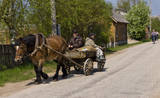 |
Old Believers, who fled persecution from the Russian Orthodox church because of their refusal to adapt to church reforms, settled down on the western shore of Lake Peipsi in the 17th and 18th centuries. |
|
 |
Latviskais pirts rituāls ozola ieskautā lauku pirtiņā. Pirts procedūrās tiek izmantoti dabīgi un pašgatavoti materiāli (augu un zaru slotiņas, skrubīši, lāvas paklājiņi, tējas u.tml.), skaņu instrumenti (sajūtu bunga, zvanga, lietus koki, zvaniņi u.c.), klūgu slotiņas, latviešu tautas dziesmas, labi un stipri vārdi. |
|
 |
The company is in a building that was built in 1911 and produces milk, kefir, buttermilk, cream, cottage cheese, sweet cottage cheese crèmes, butter, yogurt and cheese. A store alongside the co-operative offers Straupe Dairy Co-operative products, as well as cheeses manufactured by its partners – Smiltenes Dairy and SIA Latvijas Piens. This is one of five companies in Latvia that is allowed to manufacture one of the EU’s guaranteed traditional characteristics product, “Summer Solstice” cheese. The products have been awarded the “Green Teaspoon” and “Latvian Goodies” status. Group tours are offered a chance to taste the products and learn about the co-operative’s operations. |
|
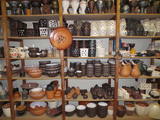 |
This old brickmaking kiln is used to prepare clay that is used by many ceramics artists. The owners also produce handmade household and design objects. Tours are available with attractive stories and creative workshops. Individual orders are also accepted. |
|
 3 days
|
This route invites you to visit the Kurzeme region and try the traditional dishes there. The tour starts from Riga and takes you to some beautiful nature areas for a walk that will serve as physical exercise to build up an appetite. You will feast on traditional smoked fish at Dieniņas Fishermen's Yard, take a masterclass in baking “sklandrausis”, a traditional carrot pie, visit fishing villages in Slītere National Park, and savour refined meals in Ventspils city pubs. Nice attractions en route are the steep coast of the Baltic Sea in Jūrkalne and the medieval town of Kuldīga. In a 19th century watermill, which nowadays is an organic farm, the hostess will give you a masterclass in cooking regional dishes from fallow deer, trout, vegetables and fruit. The last stop on the return back to Riga is the Chocolate Museum at Pūre. |
|
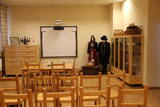 |
This collection features the heritage of the Suiti people, including an exhibition of folk costumes. Visitors can learn about the costumes and try them on. This is a cosy place for meetings, with well-equipped rooms for seminars and various types of training sessions. |
|
 |
The former Ķemeri swimming facility used
to have a building of wooden bathtubs in the
19th century. The mud treatment facility which
is designed in the style of Classicism was
erected in 1924. The Ķemeri clinic was opened
here after World War II. A monument to Ivan
Pavlov, a distinguished Russian doctor and
physiologist is on the western end of the ruins,
and no one has taken much care of it, either.
|
|
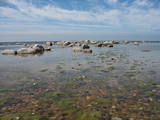 |
This is an important territory for the protection of reefs. It is opposite the Salacgrīva Administrative District and covers 3,577 hectares. The marine part of the “Rocky Shore of Vidzeme” nature reserve is a part of the territory.
|
|
 3 days
|
This is an easy 3-day route, suitable for any traveller ready to take some steps outside the capital and get into the woods. You will start the tour by taking a train from Rīga to Ķemeri. The walk will start in the Ķemeri resort park leading to the legendary sulphur spring and continue to the “Forest House” – the visitor’s centre of the Ķemeri National Park. The park is established for the protection of mainly wetlands – the shallow coast of the Gulf of Riga, the overgrown seaside lakes, the vast marshlands, mires (forests) and flood plans. Besides, there is the wooden plank Melnalkšņu swamp forest trail. Next, the Forest Trail takes one to the Lake Sloka, a shallow coastal lake with rich aquatic plants, sulphur springs and important migratory bird rest areas. On the banks of it, there is a 7 m high floating bird-watching tower. Further, the Forest Trail runs to the Gulf of Riga in the small fishermen village of Bigauņciems, where it joins with the Baltic Coastal Hiking Route (E9 European long distance path). From there on, the trail runs along the coast direction Jūrmala – the most popular resort town in Latvia with the widest sandy beaches. The tour ends in Ragakāpa Nature Park, which is established to preserve the dunes covered in old pine forests and natural diversity of the seaside. The Jūrmala Open-Air Museum is a place to get to know a traditional local fishermen’s farmstead. |
|
 |
Opekalns (arī Apukalns, Opekols) ir paugurs Alūksnes augstienē, 235 metrus virs jūras līmeņa, Veclaicenes pauguraines viena no augstākajām virsotnēm. Tā virsotnē uzcelta Opekalna luterāņu baznīca (1774—1779), kas ir visaugstāk virs jūras līmeņa novietotais dievnams Latvijā. Opekalna ciemā dzimis leģendārais Dziesmu svētku virsdiriģents Haralds Mednis. |
|
 |
Organically grown herbs, evenings round the campfire, food cooked according to special recipes. Energia farm grows medicinal plants, offers goods and services related to herbs and positive energy. |
|


