
| No | Name | Description |
|---|---|---|
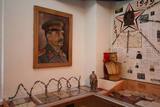 |
The local museum offers an interesting and extensive exhibit related to World War II at the Kurzeme fortress and the fate of Latvian soldiers who took part in the war. There are also exhibits related to the history of World War I and World War II, complete with a collection of civilian and military objects. Among them – a YI-2 airplane, an armoured personnel carrier, a Red Army tank, and all of the trenches and bunkers of the relevant era.
|
|
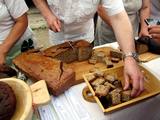 |
"Cēsu maize" is located in the very heart of Cēsis, Riga street 18. Bakery makes bread from organic cultivated grains in Latvia and with natural grass. The offer includes products such as: Spelled whole wheat bread, whole wheat bread with sun-dried tomatoes and olives and spelled sweet bread. |
|
 |
After the death of the Kalnasikšņi oak tree, which was the mightiest tree in the Gauja National Park, the mighty Kvēpene oak tree has taken over that role. It has a circumference of 6.1 m, a height of 20 m, and a crown which measures 28 x 30 m. The beautiful tree is on the right bank of the Gauja River valley and is one of the most excellent trees in Latvia. Near it is the forested Kvēpene castle hill, as is the Svētavots stream, which is reputed to have medicinal waters. To the North of the castle hill is the Rūsiņš hillock, which offers a good view of the surrounding forests, the towers of the city of Cēsis, Ieriķi, and the Rakšupe estuary at the Gauja. There is a bench at the top of the hillock from which lovely sunsets can be seen. |
|
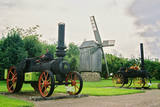 |
The museum is located near Tartu in Ülenurme manor estate, and takes pride in its unique collection of agricultural machinery and a comprehensive exhibition on agriculture and rural life in Estonia through the centuries. Other exhibitions cover beekeeping, vehicles of the past and the use of straw and birch bark. |
|
 |
Salīdzinoši liela un cilvēka mazskarta teritorija ziemeļos no Lubāna ezera, kas izceļas ar lielu purvu un mitro mežu, kā arī tajā dzīvojošo organismu daudzveidību. Cauri teritorijas austrumu daļai tek Aiviekste. Dabas liegums ir grūti pieejams, tajā nav izveidota ar tūrismu saistīta infrastruktūra, tādēl vislabākais veids ir to aplūkot no Lubānas - Gaigalavas ceļa, kā arī putnu vērošanas torņa pie Gomeļa ezera (Gūmelis), kurš gan 2007. g. rudenī bija cietis no apmeklētāju vandālisma. Teritorija ietilpst Lubāna mitrāja kompleksā.
|
|
 |
The café welcomes guests with healthy, local, ecologically clean food. Here you can also get acquainted with cultural heritage, learn various legends, as well as purchase snacks and souvenirs. |
|
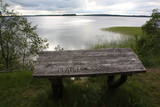 |
Nacionālā parka galvenā ainavas dominante. Ezers ir ~ 8,4 km garš un līdz 3,3 km plats. Tā austrumu krasti pārsvarā ir ar mežiem apauguši, ziemeļrietumu krasts – purvains, bet rietumu krastā parādās apdzīvotas sētas un simpātiskā Plateļu (Plateliai) pilsētiņa, kur meklējamas skaistākās skatu vietas. Ezera krastos ir labi attīstīta infrastruktūra - tūristu mītnes, ēdināšanas uzņēmumi (Plateļos), ūdenssporta un atpūtas inventāra noma. Ūdens dzidruma dēļ, Plateļu ezeru ir iecienījuši zemūdens niršanas entuziasti. Ezerā ir vairākas salas, no kurām interesanta ir Pils salas (Pilies sala), uz kuras no 15. – 16. gs. atradās muiža. Pastāv uzskats, ka senie Plateļu apkārtnes iedzīvotāji sākotnēji ir dzīvojuši uz salas, kuru ar krastu savienojis uz pāļiem celts tilts. Jāpiemin, ka 15 gs. pirmoreiz pieminētā Plateļu pilsētiņa atradusies uz Šventorkalņa (Šventorkalnis) kalna. Apkārt Plateļu ezeram ir izveidots ~ 24 km garš velomaršruts. Tā ir ļoti laba iespēja iepazīt parku videi un ceļotāja veselībai draudzīgā veidā. |
|
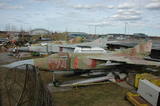 |
The largest collection in Europe of Soviet aviation and military equipment is on the territory of the Rīga International Airport and is open to visitors. The collection was assembled over the course of 40 years.
|
|
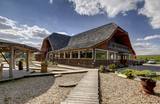 |
Lieliska vieta svinībām vai atpūtai Minijas ielejā Žemaitijā. Kafejnīca 100 pers. un konferenču zāle, kuras izvietotas 6 ha lielajā teritorijā. Spēļu laukumi gan bērniem, gan pieaugušajiem. Kanoe, burbuļvanna un pirts. Nakšņošanai viesnīcas numuriņi, koka namiņš vai 2-zvaigžņu kempings. Pieejama ēdināšana. |
|
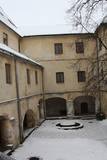 |
Jaunpils development is linked to the Livonian Order's castle, which until now has hardly changed its building volume and appearance. From 1561 until 1919 it belonged to the barons Reki family. In 1905 the castle was burned down, but later it was reconstructed under the supervision of architect V. Bockslaff. Substantial castle restoration work began during the sixties of 20th century. Now in the castle is a museum, but gourmets can taste medieval dishes at the castle tavern. |
|
|
|
Tahkuna lighthouse is on Tahkuna peninsula in the north of the island. It was built from French cast iron parts in 1875 and is the highest in Estonia at 43 m above sea level. |
|
 |
Ģimenes uzņēmums Svētes pagastā, netālu no Jelgavas. Kopš 2019.gada šeit top dažādi Latvijas priežu produkti, kas vērtīgi kā imunitātei, tā arī veselībai. Mītavas Čiekurs produktu galvenā sastāvdaļa ir Parastā priede (Pinus sylvestris). Tā bagāta ar ēterisko eļļu, sveķiem, miecvielām, C vitamīnu u.c. vērtīgām vielām. Tiek gatavotas priežu čiekuru karameles, čiekuru sīrupa zefīri, želejkončas, priežu čiekuru zapte, karamelizēti čiekuri sīrupā, šokolādē, kā arī priežu pumpuru sīrups un tēja. Ekskursija norisinās 90-120 minūtes, kuru laikā atraktīvais saimnieks Reinis pastāstīs par uzņēmuma vēsturi, dalīsies receptēs, pagatavos katram apmeklētājam gardu dāvanu (čiekuru marmelādi), kā arī protams- varēs degustēst dažādos priežu produktus. Papildu pirms vai pēc ekskursijas iespējams ieturēties ar uz ugunskura gatavotu pupiņu zupu ar lauku kūpinājumiem, soļanku vai biešu zupu. Tūristus uzņem nupat uzbūvētajā ekskursiju telpā- Čiekurnīcā. Uzņemt var līdz pat 60 interesentiem reizē. |
|
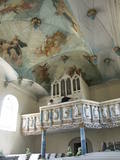 |
The Apriķi Lutheran Church is, for good reason, known as one of the most beautiful churches in Kurzeme. It was owned by the Osten-Zacken dynasty in the past, built in the 17th century, and rebuilt in 1710. The wooden interior is in the Rococo style with elements of the Baroque, and it dates to the mid-18th century. It is amazingly ornate. The beautiful ceiling paintings, which were produced by a Prussian painter called Rode, were painted between 1744 and 1746. |
|
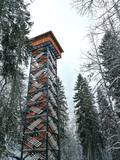 |
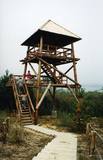
Dabas liegumā "Lielie Kangari" atrodas 33 metrus augsts skatu tornis, kura virsotnē atrodas platforma, no kuras paveras skats uz Kangaru ezeru un Lielkangaru purvu. Dabas liegumā izbūvēta arī nepilnu divu kilometru gara pastaigu taka ar tiltiņiem un skatu platformu pie ezera. Takas sākumā izvietotais veselības maršruts ikvienu apmeklētāju aicina kārtīgi izvingroties un izkustēties. Apmeklētāju informēšanai un izglītošanai visas takas garumā izvietoti arī informatīvie stendi ar fotogrāfijām, kas apvieno varenu stāstu un teiku kopumu par notikumiem, vietām, tēliem un parādībām dažādās apkārtnes vietās. |
|
|
|
Pusceļā starp Madonu un Cesvaini, Sarkaņu pagasta Biksēres “Jaundilmaņos” dzimis Latvijas Bērnu ķirurģijas pamatlicējs, traumatalogs un ortopēds, izcils bērnu ārsts Aleksandrs Bieziņš (1897.-1975.). Tagad viņa dzimtajās mājās ierīkots muzejs, Paula Stradiņa Medicīnas vēstures muzeja filiāle. |
|
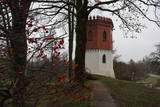 |
С XV века в Приекуле правил род баронов Корфов. Один из них – Иоганн Альберт Корф (1697 - 1766.) был президентом Петербургской Академии наук (1734 - 1740 гг.), дипломатом и литератором, который занимался исследованием истории Курземе. Приекульский замок находится на западе от улицы Айзпуте, на берегу реки Вирга. Первоначально дворец господской усадьбы построили в XVIII веке, а в конце XIX века велись большие работы по перестройке здания (проект Пауля Макса Берчи). В здании находится Приекульская средняя школа. Примерно в 100 м к востоку от господской усадьбы возвышается смотровая башня усадьбы (построена в конце XIX века), над которой развевается государственный флаг Латвии. |
|
 |
This is one of the oldest Livonian villages, recorded in documents for the first time in 1387. The old road from the Dundaga Estate to Sīkrags existed in the Middle Ages. During the 17th century, Sīkrags was one of the most important small ports in Northern Kurzeme, receiving ships from England, Holland and Lubeck that carried coal, grain and other products. Before World War I, there were five sprat smokehouses in the village, and some 55 fishermen lived there during the 1920s and 1930s. Among those to have been born in Sīkrags was the Livonian cultural activist Hilda Grīva (Cerbaha, 1910-1984), seafaring captain Kārlis Anbanks (1884-1937), Baptist preacher Kārlis Lāceklis (1904-1970), linguist and tradition specialist Pēteris Dambergs (1909-1987), and graphic artist Baiba Damberga (b 1957). Today the village is a cultural monument of national importance. It is crossed by a bike route, with a commemorative stone where the narrow-gauge railroad station once stood. Sīkrags, like neighbouring villages, is in the Slītere National Park. |
|
 |
Honey makers introduce guests to their beekeeping farm and the daily responsibilities of the bee-keeper. You can also taste and buy honey, as well as various honey mixes and cold-dried berries. |
|
 |
Kakaiši is found 1 km to the South-West from Vecpiebalga, in the tiny village of Kakaiši. The Latvian writer Antons Austriņš (1884-1934) was born there and went to school in Vecpiebalga. Austriņš is best known for the short story collection “Puiškans” (1931). The museum features various rural objects, things associated with the author, and exhibits such as his collected works and other books that are worth visiting in the company of a guide. |
|
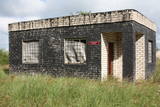 |
The Lūžņa radio equipment company was part of the Naval Border Guard in Soviet Times. The car park in the centre of Lūžņa offers a fine view of the former military complex. Some buildings are used as apartment buildings at this time.
|
|


