
| No | Name | Description |
|---|---|---|
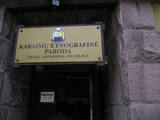 |
Karaims are a small nation of Turkish decent who practise The Karaim religion which started developing around 8th century in Persia. Their language is still used in modern-day Lithuania. In the museum there are rooms not only dedicated to Lithuanian Karaite communities but also Poland's and Ukraine's. |
|
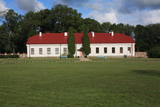 |
Atrodas Grāfu Plāteru parkā, blakus Krāslavas jaunajai pilij. Tas izvietojies vienā no 18. gs. celtajām muižas saimniecības ēkām. Muzeja ekspozīcija ir veidota interesantā veidā – 17 m garā laivā, kas (laiva ar pieciem airiem) ir pilsētas ģerbonis. Muzeja krājums iepazīstina ar Krāslavas novada vēsturi, sākot no akmens laikmeta līdz mūsdienām. Muzejā tiek organizētas Krāslavas mākslinieku izstādes. |
|
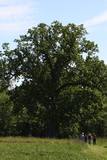 |
The tree is on the side of a hillock, and its visible roots are unusually huge.
|
|
 |
This is a cemetery that was originated in the Middle Ages and used until the beginning of the 20th century. A mossy stone fence surrounds the cemetery. Interesting elements in the cemetery include the grave of Heinrihs Jakobsons (1832-1911), who was the first schoolteacher in Mazirbe (the old metal cross is to the left of the main gate), a pine tree of national importance and has a circumference of 3.17 metres (during the Soviet Union someone drilled a hole in the trunk of the tree to access honey), the grave of Niks Freimanis (1845-1908), who is said to have been the prototype for a character in a story and play by Marģers Zariņš, and the Werewolf Grave, which relates to countless ghost stories, including the claim that it is the only known gravesite of a werewolf in Latvia. |
|
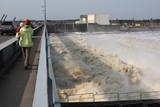 |
This is Latvia’s first major hydroelectric power plant, and construction along the right bank of the Daugava began in 1936. The plant was designed by the architect Eižens Laube. The first hydro-aggregate (17 MW of capacity as the largest plant in Latvia) was switched on in 1939. A second round of construction occurred between 1976 until 1979, the result being a new building on the left bank of the Daugava, increasing the capacity of the plant to 260 MW. Another round of reconstruction occurred between 1998 and 2001 on the left bank of the Daugava (the HES-2 plant). The Energy Museum is now there.
|
|
 |
Seno un mūsdienīgo amatu prasmju popularizēšana, izkopšana un tālāknodošana. |
|
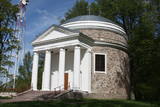 |
In the 15th century, Preili manor became the property of Count Borhs family. Borhs were living here until the 60ties of 19th century. The city itself formed in the first half of the 19th century by fusion of Preili Manor, the village and free village - settlement of traders and craftsman. In the 19th century a luxurious palace was built in Preili and Landscape Park was created. Today Preili is an important economic centre of Latgale (cheese and sewing plants), where t folklore, crafts and Catholicism traditions are fostered. Preili tour in the guidance of TIC employee Irena Kjarkuza is highly recommended. |
|
 |
Atpūtas vieta "Buki" atrodas Ventspils novadā, Baltijas jūras piekrastes aizsargjoslā. "Buki" ir klusa vieta atpūtai, kur iespējams baudīt Latvijas lauku mieru. Piedāvā atpūtu ģimenēm ar bērniem, draugu kompānijām vai vienkārši dabu mīlošiem cilvēkiem. Atpūtas vietas teritorija ir labiekārtota un tajā ir iespējama makšķerēšana piemājas dīķī, sporta aktivitāte kā volejbols, kā arī teritorijā ir atrakcijas bērniem - batuts un šūpoles. Nakšņošanas iespējas 6 veidu kotedžās, 3 veidu numuros viesu namā un 2 brīvdienu dzīvokļos, kā arī teltīs un treilerī. "Buki" piedāvā vietas svinībām gan lapenēs, gan svinību teltī (līdz 100 personām), arī divas pirtiņas. Atpūtas vietas teritorijā ir mini ZOO, kurā iespējams ne tikai dzīvē ieraudzīt dažādu sugu un dzimtu pārstāvjus, bet arī tos apčubināt un pabarot. Mini ZOO var sadzirdēt pērļu vistas, dziedošu ēzeli Janci, redzēt krāšņo pāva asti, izbaudīt alpakas un lamas vilnas mīkstumu, satikt aci pret aci dažādus kamieļus un daudz ko citu. Tāpat saimnieki piedāvā dažādu mājražojumu (kūpināta gaļa un zivis, kazas siers, olas, desas, sezonas augļus un dārzeņus u.c. produkti) degustācijas. |
|
 |
Atrodas austrumos no Alūksnes Tempļa kalna un dienvidos no Lieliem kapiem – Tempļa kalna parkā. Skatu torņa platforma atrodas apmēram 30 m augstumā virs Alūksnes ezera ūdeņiem. Labi redzama Marijas sala, Alūksnes parks, Alūksnes ezera piekraste līdz Kolberģim un Lāzberģim. Izcili ainavisks skats! |
|
 |
The grave of Ida Apsāne, who was known as the “moon daughter” of the great Latvian poet and playwright Rainis can be found in the old Lašu Lutheran Cemetery, which is 200 m to the North of the Lašu Lutheran Church. The text on the grave reads “Ida Marie Apsahn, b. March 23, 1867, d. April 10, 1887.” Other members of her family are also buried here. |
|
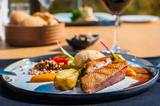 |
The restaurant is located in the first five-star hotel located outside the cities in Latvia, in a beautiful place with a story and a future - in Amatciems. Chefs use local, natural products to prepare meals and serve them with a contemporary interpretation and an emphasis on taste and quality. |
|
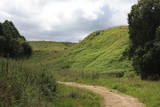 |
Found on the right bank of the Daugava, approximately half a kilometre upriver from the Skrīveri Agricultural Institute, the hill is in a place where the bank of the Daugava River Valley is split by the deep Ašķere stream valley. The castle hill was occupied beginning in the first millennium BC, with antiquities from the Lettigalian and Livonian tribes found there. During the 13th century, a brick castle was built on the hill, but it was sacked during the 17th century. Nothing remains of the castle. The castle hill is also known as Raven Hills, and it offers one of the most beautiful views of the central part of the Daugava. In the direction of Rīga, there is a field with a white cross that represents an ancient church. There is a hiking trail along the Ašķere stream. The area is well improved with four trails. The longest is the Daugava trail (10 km). |
|
 |
Atrodas 1905. gada ielā 6. Sinagoga tika celta 1875. g. – Krievijas cara Aleksandra II valdīšanas laikā. Pēc 2. pasaules kara tajā atradās graudu noliktava, kinoteātris, kafejnīca un visbeidzot – naktsklubs. No 2003. gada to vairs neizmantoja. Pirms gada tika pabeigts vērienīgs projekts - sinagogas un lūgšanu nama atjaunošana, kurā izveidots sabiedrībai pieejams kultūras un informācijas centrs un pārcelta Kuldīgas novada bibliotēka. |
|
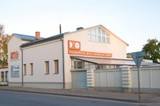 |
This centre is a workshop for eleven potters, including some from the “Potters School.” The centre offers various activities, including master classes, demonstrations of pottery work, and exhibitions of finished products. You can commission products or buy new ones. |
|
 |
Ūdensdzirnavas meklējamas Babrungas (Babrungas) ciema ceļa malā. Dzirnavu ēka ir celta 1816. g. un mūsdienās tajā iekārtota Leonarda Čerņauska (Leonardas Černiauskas) darbnīca un mākslas galerija. Tajā apskatāmas meistara gleznas, koka izstrādājumi un tuvākajā apkārtnē savāktā senlaicīgo priekšmetu kolekcija. |
|
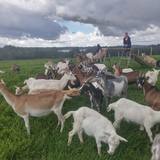 |
Santa Lasmane owns a farm near Lake Jumurda and manufactured goat’s cheese from 40 dairy goats (60 goats in all). You can buy the cheese there and at local markets. Products are delivered on demand. You can tour the farm, meeting Bonija the goat and her friends, and taste the cheese. |
|
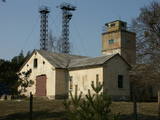 |
The Cape of Kolka is freely accessible to local residents and tourists today, but the border guard facility still serves its purposes and is not open to civilians.
|
|
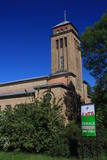 |
The Aknīste Catholic Church was built between 1937 and 1940, and its design is based on the Kaunas Church of the Resurrection in Lithuanian. The building features the rectangular and geometric forms that were typical of the age of Functionalism. Inside is a large wooden altar, along with a pulpit and two side altars (from the early 19th century) which were once found at the Rokišķi church. They were brought to the Aknīste church when the one in Rokišķi was redesigned. In 1997 the church was granted the Blue Flag of European cultural heritage. Alongside the church are the red brick gates of an old Catholic church, which date back to the latter half of the 19th century. Also there is the Selonian Park. |
|
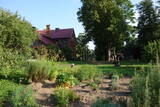 |
The village of Kaldabruņa in the Jēkabspils Adminitsration District has a former elementary school that is currently managed by the Ūdenszīmes organisation. The meadow museum exhibition is compared to a human life cycle, and visitors will see a Smilga exhibition, a childhood lighting objects, the Kadabruņa Māra belt in a hole in an oak tree, the Vārdnieki crown, the Pūra crown, and exhibitions of endangered and rare plants. The Kaldabruņa or Krievāni Māra belt is one of the greatest cultural and historical treasures in the administrative district because it is a unique ethnographic material. The belt is made of 52 ornaments, including 36 modified fire cross ornaments. Nothing of the sort can be seen in Latvian ethnography. The Stāmeriena wrap has 19 modifications of the fire cross, while the belt has blue and yellow ornaments, with red and green colours on its edges. At the end of the belt is a complicated weave of little pearls and fringes. Authentic copies of the belt have not been presented in public, and this unique material has also not been seen in the digital environment. The original belt was received by ethnographers in the late 19th century from Māra Krievāne from the Mačulāni homestead in Kaldabruņa. It is housed at the Latvian Museum of History, which also has the only known copy of the belt. Decoding of the ornaments can be found in a book about Latvian ornaments. The building that is managed by Ūdenszīmes also contains an unprecedented art venue -- the Šķūņa Art Gallery. Also of interest is a hay museum and the stories about the locations. |
|
 4 days
|
A tour of professional farms to offer a look at modern and technologically developed farms. During the introductory day, participants will tour Rīga, which is part of the UNESCO List of World Heritage, and the Rīga Central Market, which is one of the largest closed markets of its type in Europe. The next day there will be a meeting with specialists from the Latvian Agriculture Ministry and agricultural NGOs. Next we will tour an ecological facility for farm waste, which is a pan-European initiative in the context of which heat that is manufactured is used to heat greenhouses, thus ensuring an ideal environment for farming (flowers and tomatoes). We will visit innovative farms that collect birch juice for products such as biological birch juice wine (rose, semi-sec), biological birch juice foaming wine, birch juice lemonade, and syrup. The next morning will begin with a visit to a farm that produces high-quality vegetables and potatoes, successfully dealing with the storage and sale of it produce, as well as with logistical aspects of the process. Along the way, we will visit the ruins of the Koknese castle, which is on the banks of Latvia’s legendary Daugava River. We will also visit a farm that grows hemp for various food products. We will spend the night at an aristocratic estate that is now a complex for accommodations and spa treatments. The next morning, we will be off to one of Latvia’s newest beer breweries for a tour and tastings. Around noon, we will visit a farm that manufactures co-generated biomass head during the winter and heats greenhouses. We will return to Rīga in the evening. |
|


