
| No | Name | Description |
|---|---|---|
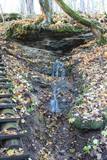 |
Litorīnas jūras laikā (pirms ~ 6000 gadiem) Saleveres Salumegi kalns bija sala, bet mūsdienās tas kā izteikta kāple (īpaši - ziemeļu pusē) paceļas virs Piejūras līdzenuma. Salumegi ziemeļu pusē slejas 4 - 5 metrus augsts kaļķakmens atsegums – silūra perioda (> 400 mlj. gadu) koraļļu rifa paliekas, kuru noskalojuši Litorīnas jūras viļņi. Atseguma piekājē izplūst Acu avots, kam piedēvē dziednieciskas īpašības. Salumegi apskates nolūkos izveidota lokveida taka (1,5 km). No kalna augšas paveras labs skats uz Matsalu līci. Šeit atradies arī sens pilskalns. |
|
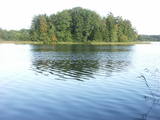 |
This restricted area protects Lake Jumurda, which is in the central part of the Vidzeme highlands, along with its three islands, the local broadleaf forests, and the surrounding landscapes.
|
|
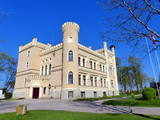 |
The mansion of the Gārsene Estate is built in the Neo-Gothic style, and its design was based on a villa in Germany. The building was erected between 1856 and 1860, and from then until 1920, the baronial dynasty of the Budbergs and Beningshausens owned it. The castle was expanded with another wing in 1885. Between 1939 and 1940, the building was rebuilt to become a school, and President Kārlis Ulmanis attended its opening on June 2, 1940, when he was taking his last official trip as the country’s president. There are other buildings and a park on the estate. The mansion today is home to the Gārsene Elementary School, but there is also an exhibition featuring the baronial dynasty, the history of the school, and the town itself. Just wait until you see the pot-bellied stoves! Outside the mansion are the Gārsene nature trails – the cultural and historical trail, the baronial strolling trail, etc. Before setting off, buy a ticket at the mansion. In front of the mansion is a memorial stone to Professor Pēteris Kulitāns (1878-1951), who was an agro-chemist. |
|
 |
Guests to the Dīķīši homestead in the Amata Parish will be greeted by several Samoyed dogs and intelligent little donkeys that will bring the guests to a place for glamping next to the pond. You can hike down two trails of different lengths of enjoy the opportunities that exist when Latvians share places where they find mushrooms and berries. A special adventure is creating artworks from natural materials that have been collected in the forest. The accommodations are appropriate for people who use a wheelchair. The lavatory has been adapted to the needs of such people, as well. People who are interested in cultural history can tour a collection of Latvian folk costumes, trying them on and organising their own photo session. People who enjoy extreme feelings will enjoy a ride on a quadricycle. If you love to go fishing, bring your own inventory. We organise fire rituals for birthdays and family celebrations, and we’ll also offer soup that has been cooked on a campfire, as well as a master class in cheesemaking. |
|
 |
Windmill restaurant Saaremaa is the most popular restaurant amongst locals, offering the best and freshest products. The menu includes game meat from Saaremaa forests, smoked fish during summer, treats from berries, local apple wine, as well as the best wines of Saaremaa Island. |
|
 |
"Sabiles laivas" Talsu novadā piedāvā laivu nomu, laivu un laivotāju transportu. |
|
 |
The farm has 50 head of cattle which spend all year outside and so can be seen at any time. Visitors can taste Highland beef and look at and ride local horses. The tours are meant primarily for adults. The owner of the farm propagandise ecological farming and breed Highland beef and local horses. |
|
 |
The ancient Dviete river valley information centre “Gulbji” is one of the most important information facilities in the nature park and is housed in a single family farm that is 100 years old and is typical of the historical region of Selonia. Visitors can study an exhibition that is dedicated to the park, buy products from local craftspeople and farmers, and enjoy a beverage that is made from the distillation of beaver glands. To the North and East of “Gulbji” is the Putnu island paddock (250 ha) with livestock adapted to life in the wild – Konik horses and Highlander cows. There’s a bird watching tower on the shore of Lake Skuķi, which is 500 m away. |
|
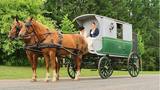 |
An age-old twisting postal road between Tartu and Võru takes travellers to Varbuse postal station dating from 1863. The Estonian Road Museum is housed in this well-preserved complex of a postal station which creates a wonderful setting for displaying the history of travelling and roads, traffic regulation and machinery. Cross-sections of road pavements disclose the secrets of road building. An outdoor display shows stretches of historic roads from Estonia and former Livonia creating an authentic ambience of the past. |
|
 |
Mājražošanas uzņēmums no Jaunjelgavas novada Seces pagasta. Savu hobiju (kūpināšanu) uzņēmuma saimnieks ar pieredzi papildinājis vairāku gadu garumā, taču plašākam pircēju pulkam produkcijas klāsts piedāvāts no 2013. gada. Uzņēmumā tiek kūpinātas lielākoties tikai Latvijā audzētas zivis, ar tradicionālām metodēm, izmantojot alkšņu malku, nepievienojot e-vielas. Piedāvājumā ietilpst arī kūpināta vistas gaļa, jūras asari, kā arī citi kūpinājumi. |
|
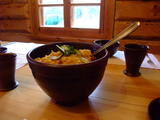 |
In Seto Tsäimaja, belonging to Setos Museum, you can enjoy dishes from earthenware made according to Setos traditions, listen to Setos songs and music instruments. |
|
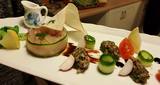 |
The restaurant is in the “old school” of Ungurmuiža. Together with the nobleman’s estate and park, this makes up a unique cultural and historical monument. Latvian cuisine: Potato pancakes with cured meet and loganberry jam, chanterelles soup, vegetable soup, porridge with meat, Brasla trout, roast pork with rhubarb sauce, manna, desserts with berry sauce. |
|
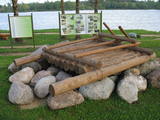 |
Plavinas and Stukmani region was inhabited already in the third century. During the Polish-Swedish War (1600-1629) at estuary of Aivekste in the Daugava River the Swedish war camp was formed, from which are preserved fortifications - bastions. They are one of the most impressive military formations of this kind in Latvia. Plavinas as a larger populated area started to develop in the nineties of the 19th century and in the beginning of 20th century after the construction of railway. Today Plavinas are more commonly known with dolomite production sites and spring flood area. |
|
 |
A café, located in the Town Square of Kuldīga, the very centre of Kuldīga Old Town, that offers dishes for every taste, ranging from refined salads to hearty meals. The café houses the Curonia coffee roastery and offers its guests fresh and delicious coffee. |
|
 |
Zemnieku saimniecībā "Rudzīši" iespējams apskatīt dažādus mājputnus - vistas, tītarus, dažādu šķirņu pīles un zosis. Mini zoo mīt arī cūkas, aitas un kazas. Tiek piedāvāta izjāde ar poniju, kā arī iespēja pārnakšņot brīvdienu mājā. |
|
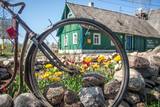 |
The guest house is located in Varnja Old Believers village and on the Onion Route - a destination on the shores of Lake Peipsi, the largest lake in Estonia and the trans-border lake of the European Union. It is about 45 km from Tartu. It offers the oppurtunity to experience authentic accommodation in a real home of an Old Believer family. Everything from the furnishing up to spoons and forks is as authentic as possible. The house has three rooms that can accommodate up to 10 people. Additional services: smoke sauna, Finnish sauna, plastic sauna, sauna in a tent, outdoor hot tub, boat rental, bicycle rental, camping, lake safari on a Karakat (wintertime only), boat house accomodation. |
|
 |
The bistro is in the centre of Jelgava and offers fresh canapés, cakes, pierogi, cookies and other baked goods. It works with local producers of ingredients. Latvian cuisine: Bacon pierogi, potato pancakes, wheat-potato porridge with bacon sauce, whipped fool with milk. Grey peas with bacon during the season of the Winter Solstice. Special foods: The “Duke’s Sail” – oven-roasted pork with caramelised sauerkraut, roast vegetables, lingonberry sauce and horseradish. |
|
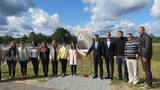 |
The memorial to the day when people in the Baltic States joined hands in an unbroken chain stretching from Tallinn through Rīga and on to Vilnius on August 23, 1989, is at the 25th kilometre of the Rīga-Bauska highway, near the little Ķekaviņa River. |
|
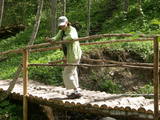 |
The Akmeņupīte river starts in the highlands and ends at the Daugava, and it is a rapid river only during the spring or after lots of rain. Otherwise it is a shallow little river with a rocky bottom. On the shores of the river is a nice path with several places to relax or to build a campfire (firewood is available). Water from the local streams is potable.
|
|
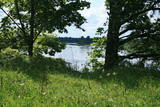 |
This location is important in terms of Latvia’s history, because during the 12th and 13th century, this was the administrative and spiritual centre of the Lettigalian tribe, with the ruler of Jersika being Visvaldis. The castle stood on the shore of the Daugava at a height of 18 m, and this was a mighty castle hill. The flat part of the hill measured 100 x 75 m, and it was surrounded by a barrier and a defensive wall made of logs. People entered the castle via guarded gates beyond which there were residential and household buildings, as well as a small church. Archaeologists have found the remnants of log buildings, as well as many antiquities from the 10th to the 13th century that speak to extensive trade relations with other parts of Europe, including ancient Russia. In 1209, the forces of Bishop Albert fooled the people in the castle and sacked it and the ancient town that was around it. Visvaldis’ family was taken hostage, and so the Lettigalian ruler was forced to become a vassal of the bishop. The castle hill is privately owned, so please contact the owner before planning a visit. |
|


