
| Nr | Nosaukums | Apraksts |
|---|---|---|
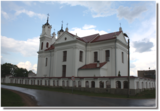 |
Atrodas nelielās Dvietes centrā. Tās baltais stāvs ir redzams jau pa lielāku gabalu. Pirmo koka baznīcu šeit cēla 1775. g. vietējās muižas īpašnieka grāfa J. K. Višlinga vadībā. Pēcāk dievnamu nojauca un pārveda uz Zarinku kapiem. Mūsdienās redzamās Dvietes katoļu baznīcas (neobaroka stilā) ar diviem torņiem celtniecību 1864. g. īstenoja ar grāfa Kazimira Plātera - Zīberga dotā finansējuma palīdzību. Dievnamu sagrāva 1. pasaules kara laikā, tāpēc līdz tā atjaunošanai un iesvētīšanai 1929. g. kā lūgšanu telpu izmantoja Dvietes muižas magazīnas klēti (divslīpņu jums), kas atrodas Dvietes – Bebrenes ceļa malā un tagad ir atjaunota. 1940. g. apkārt baznīcai uzcēla mūra žogu ar kārniņu jumtu, bet 20. gs. 70. gados uzbūvēja draudzes māju. Dievnamā ir īpaši grezns sakrālā baroka interjers, ko uzskata par krāšņāko bijušajā Daugavpils rajonā.
|
|
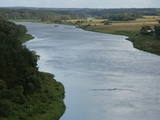 |
Nemunas loku reģionālais parks (Nemuno kilpų regioninis parkas) ir dibināts 1992. g. un tā mērķis ir augu, dzīvnieku, ainavas un ģeoloģisko dabas pieminekļu aizsardzība. Parks ietver piecus lielus Nemunas upes lokus, kuru centrā atrodas Birštonas – viens no nozīmīgākajiem Lietuvas kūrortiem. Nemunas loku stāvajos krastos vietām redzami iespaidīgi nogulumiežu atsegumi. No dabas daudzveidības un ainavas viedokļa nozīmīgas ir arī Nemunas pieteku dziļās gravas. Parkā sastopami veci nogāžu un gravu meži. Punes (Punia) un Prienu (Prienai) mežos aug Lietuvā augstākie koki. Kopumā parkā ir konstatētas 973 augu un 1713 dzīvnieku (zīdītāji, putni, abinieki, rāpuļi, kukaiņi u.c.) un 505 sēņu sugas. Kā nozīmīgi kultūras tradīciju turpinātāji ir jāpiemin Prienu kokapstrādes meistari, kas gatavo koka krustus. |
|
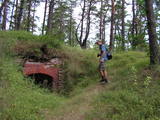 |
Forti celti un pārveidoti ilgākā laika posmā. To celšanā rokas pielikuši gan vācieši, gan zviedri, gan krievi. 20.gadsimta sākumā - 1912.gadā tika uzsākta vairāku fortu būve Mangaļsalā un Bolderājā. Tika uzcelti divi forti ar 254mm lielgabaliem, seši forti ar 152mm lielgabaliem un trīs forti ar 138mm. Katrā fortā tika uzstādīti divi lielgabali. Mangaļsalas fortifikāciju sistēma sastāv no vairākām daļām un atrodas samērā plašā teritorijā. Atsevišķas tās daļas ir arī nepieejamas, jo atrodas mazdārziņu teritorijā. Tas ir unikāls vēstures piemineklis, kas atrodas valsts galvaspilsētā, bet tajā pat laikā ir "aizmirsts", nesakopts, grūti pieejams un apmeklējumiem bīstams. Ja objekts tiktu attiecīgi novērtēts un apsaimniekots, - nākotnē tas varētu būt viens no Rīgas tūrisma "top" objektiem, jo Rīga nav tikai Vecrīga. |
|
 10 dienas
|
Latvia is among one of the world’s three most important bird migration paths, and during migration seasons tens of thousands birds can be seen at one place. The tour will spent significant time along the sea coast in order to catch the highlights of migration. In spring time also flood-lands become alive with activities of thousands of birds and provide great atmosphere for birdwatchers. This tour explores different biotops to get the best impressions of the spring time migration. |
|
 |
Viesnīca atrodas Piedrujā, netālu no Daugavas, kas šeit ir Latvijas un Baltkrievijas robežupe. Piedāvā Eiropas un Latgales nacionālos ēdienus, kā arī večerinkas latgaļu, baltkrievu un poļu stilā. Latviešu virtuve: ēdieni no saldūdens zivīm, cepts sams. Īpašais ēdiens: pildīta un krāsnī cepta līdaka. |
|
 |
Vīna ražošana Allikukivi notiek senajā vadmalas fabrikas direktora ērberģī. Viesi tiek gaidīti uz plašā muižas balkona degustēt daudzveidīgos dzērienus un iepazīties ar vīna darīšanas noslēpumiem, muižas vēsturi un ogu stādījumiem. Augļu un ogu vīnu ražošana pēc igauņu receptēm. |
|
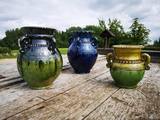 |
Vienīgais Alūksnes novada keramikas amata meistars, kurš veido Vidzemei raksturīgās podniecības formas ar Latgales krāsu gammu. Darbnīcā ir iespēja iepazīties ar keramiķa darbiem un ieklausīties stāstos par pirmajiem darinājumiem. Katrs interesents varēs atklāt sevī jaunas prasmes un talantu, līdzdarbojoties māla veidošanā, apgleznošanā un dedzināšanā. Darbnīcā iespējams iegādāties keramiķa darinātos māla izstrādājumus. Uģis Puzulis ir saņēmi kultūras zīmi “Latviskais mantojums”- par podniecības kā tradicionālas amata prasmes daudzināšanu. |
|
 3 dienas
|
The first half of this section leads through magnificent coniferous forests, especially in the Järvevälja landscape reserve, where the trail is surrounded by beautiful dunes in the north and a raised bog in the south. It is well worth visiting the kiosk at Rannapungerja to buy smoked fish – the Lake Peipus vendace (rääbis) and some local farm produce. In the second part, the Forest Trail winds along the coast of the beautiful Lake Peipus. During the summer, when the water level in the lake is lower, beautiful, sandy beaches with wide shallows appear. Past Alajõe, the highest dunes of Lake Peipus (up to 20 m) rise on the landscape, providing a distant view of Lake Peipus, one of the largest lakes in Europe. |
|
 |
Ģimenes restorāns “Hercogs” atrodas Jelgavas pilsētas centrā pie Hercoga Jēkaba laukuma. Pavāri izmanto vietējās izejvielas, sadarbojas ar briežu dārzu „Rudiņi”. Latviešu virtuve: Aukstā zupa, brieža gulašzupa, brieža karbonāde, cepts zandarts vai sams, cūkgaļas cepetis, jēra sautējums, kartupeļu pankūkas, smiltsērkšķu deserts. Īpašais ēdiens: Liellopu filejas steiks uz akmens. |
|
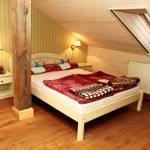 |
Viesu nams atrodas Senajā Gegužinē bijušās muižas vietā Neres upes krastā. Apmeklētāji tiek aicināti apbrīnot ainavu, peldot pa Neres upi vai braucot ar velosipēdiem. Lauku mājas saimnieki-arhitekti vada nodarbības par etnoarhitektūru. Vieta kā radīta dažādu pasākumu rīkošanai nacionālās identitātes stiprināšanai un tradīciju kopšanai. Maza ģimenes viesnīciņa, piekļuve saimniecības ikdienai un tās iedzīvotājiem. Airdēļi un riteņbraukšana.
|
|
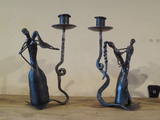 |
Smēdē taisa žogus, vārtus, vēja rādītājus, lustras, sadzīvē izmantojamus priekšmetus un suvenīrus. Interesentiem stāsta par kalēja darbu un demonstrē prasmes. |
|
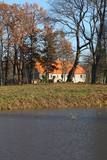 |
Dzīvojamā ēka celta 18. gs. sākumā, bet 19. gs. vidū pārbūvēta. Joprojām notiek mācītājmuižas un tās kompleksa atjaunošanas darbi. No 2009. gada septembra mācītājmuižas kompleksā darbojas Latvijas Evaņģēliski luteriskās baznīcas trīs Rekolekciju centra atpūtas mājas. Blakus tām redzamas vecā staļļa drupas. |
|
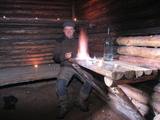 |
Mežabrāļu lauku māja atrodas pie Igaunijas un Latvijas robežas. Staigājot pa mežabrāļu takām var apmeklēt viņu raktos bunkurus, klausīties patiesus stāstus par pēckara notikumiem, nogaršot kandžu “meža šalkas” un kopā ar saimnieku uzdziedāt mežabrāļu dziesmas. Piedzīvojumu mīļotājiem piedāvājam arī naktsmītnes mežabrāļu bunkurā. Ziemā Mežabrāļu saimes ļaudis aicina braukt ar ragaviņām no Punkrimeģa un pavizināties kamanās. |
|
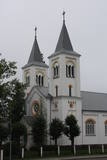 |
Atrodas pilsētas centrā, Atbrīvošanas alejā 89. Dievnama celtniecība (neoromantisma stils) noritēja laikā no 1936. – 1939. g. (arhitekta Pavlova mets), bet to iesvētīja pirms celtniecības beigām 1937. g. Tā godina Sāpju Dievmāti, kurai veltīts centrālais altāris. Ēkā izvietotas 20. gs. sākumā veidotas svētbildes, bet dārzā pie ieejas - Fatimas Dievmātes statuja. Dievnams apskatāms arī no iekšpuses. |
|
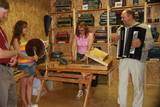 |
Here you will find a vast collection of antique instruments. You’ll learn about their history and about how they were manufactured. You can play music or commission or purchase homemade instruments. If you contact the venue in advance, the Igaunis family will organise a concert performance for you. |
|
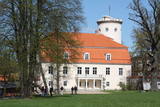 |
The history of Cēsis begins at the Riekstu hill, which is 18 m high and the surrounding area. There was a wooden castle built by the Vendian tribe that stood there from the 11th to the 13th century. The hill is in the central part of the castle’s park, and it offers a fine view of the park, a pond and the ruins of the Cēsis Castle. A long staircase leads to the hill. The Cēsis Castle was built in the early 13th century as the residence of masters of the Livonian Order, and it was one of the most fortified forts in the Baltic region. Alongside is the New Cēsis Castle, which was built in 1777 in a place where gate fortifications had been before. The building houses the Cēsis Museum of History and Art, and an annex contains the Castle Visitor Centre and the Cēsis Tourism Information Centre. From the tower of the castle, we get a good view of the castle ruins, St John’s Lutheran Church and the northern stretches of the city. Opposite the new castle is the stable of the Cēsis Castle Estate and a wheelhouse (both from the first half of the 19th century). Today these house the Cēsis Exhibition Hall. Other buildings include a granary, a hut for coachmen and an old brewery. On the other side of the street is the romantic May park, which was installed during the 1830s. Streets in Cēsis include Lielā Katrīna, Mazā Katrīna, Mazā Kalēju, Kalēju and Lielā Līvu streets and Līvu square with wooden buildings from the late 18th and early 19th century. Torņa Street stretches along the walls of the Medieval castle. Outside the church is a sculpture, “As the Centuries Pass By,” and legend has it that anyone who rubs the lantern of the Old Time Man can see the future. One of the most impressive buildings in Cēsis is St John’s Lutheran Church, which was built in the late 13th century by the Livonian Order. The Roman-style three-segment basilica has elements of Gothic design and a 65 m steeple that was installed in 1853. The building was reconstructed several times during the 20th century and contains grave plaques relates to masters of the Livonian Order and local bishops. The pulpit dates back to 1748, the oak altar was manufactured in 1858, and the altar painting “Crucified One” was painted in 1862. The windows of the altar part of the church contain artistically valuable stained glass. The organ was manufactured in 1907 by the E.F. Walker firm, and it is one of the best concert organs in Latvia. The solar clock with the number 1744 is in the south-wester corner of the church. It is worth scaling the viewing tower of the church. At its foot is Rose Square, which was a market square from the mid-13th century until 1927 and was restored in 2008. This is the central square in the city. During the Middle Ages, a punishment pole and the city well were here. Rīgas Street has been the main street in the old part of the city from the very start, and here we find most of the architecturally distinguished buildings from the 18th and 19th century – the former city hall, the Fābers house and the Princess house. At one end of the street is Liv Square, where there a church, cemetery and the Rīga gate in the city’s walls existed in the 13th century. Today the square is decorated by a lighted fountain at a place where a well was found in the 13th century. On the other end of the street we find a reconstruction of the foundations of the Rauna gate from the 14th and 15th century, offering a good look at Medieval walls and the size and strength of the gates. It is commonly claimed that the national flag of Latvia was born in Cēsis, but it must be emphasised that the flag that is mentioned in chronicles was designed in Cēsis in 1279 as the ideological prototype of the current Latvian flag, while the story of the first national flag actually comes from Valmiera, where it was sewn in 1916. |
|
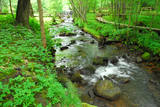 |
A pathway of wooden trails and little bridges, featuring the most beautiful part of the Ieriķupīte river, with several waterfalls, an old windmill, a unique millwheel, and various areas of obstacles for active people in the company of a guide.
|
|
 |
The private museum of antiquities of Zigurds Safranovičš was founded in May 2010. The collection of the museum contains around 50 thousand objects, of which 99% of exhibits have been donated. The oldest and rarest, according to legend, 300-year-old item – Ernst Glick's refrigerator. The museum's surroundings are a large park of the former Baron Wulf's estate, where it is currently possible to spend the night in tents, as well as available rest areas - canopies, fire places, grills, utensils for cooking, etc., drinking water (from a well), available electricity for telephones, cameras, etc. for charging. For larger groups (starting from 10 people), porridge cooked on the fire. |
|
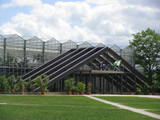 |
The National Botanical Garden in Salaspils ranks as the largest botanical garden in Latvia and in the Baltics with a territory of 136 hectares. The National botanical garden collection consists of about 14 thousand different varieties. More than 5,000 plants are found in the arboretum, as well as various other exhibitions, such as orchards, rosaries, ornamental plants. Botanical Gardens can inspire you to uprade your own garden assortment with new plant varieties and offers the experience of learning about botanical knowledge in nature. In addition, it presents opportunity to expand your personal photo archive with an exclusive background photographs and close-ups. There is a playground for children, comfortable cycling paths, nordic walking paths, picnic possibilities. |
|
 |
Was mentioned in 1387, where it was called Domesnes. That was the name until the early 20th century. A ledger at the Irbe-Ģipka church states that there were four farms in Kolka in 1770 -- Krogi, Ūši, Vecvagari and Kabriki. In 1844, a school for vergers was established, and Nika Polmanis worked there as a teacher. Kolka's first school was built in 1881, and Livonian Kārlis Bernšteins (1881-1951) worked there for nearly half a century as a teacher. The Dundaga riots that began in 1859 were led by Livonian Nika Šūbergs (1833-1884), the son of the owner of the Sārnasti farm. At the end of the 19th century, there were 392 residents in Kolka, and in 1935, 145 of the 343 residents were Livonians. During the mid-1980s, 13 Livonians spoke their language freely. Kolka is the only coastal Livonian village that continued to develop during the frontier regime of the Soviet Union, because it was the centre of a fishing kolkhoz. The number of residents increased rapidly in the 1950s and 1960s because new homes, a school, a people's centre, a kindergarten and several fish processing factories were built there. Today Kolka has 700 residents and is the largest village along the Livonian coastline. The "Līcis-93" fish processing factory is there, and local fishermen and smokers of fish work in the village. The Kūolka Livonian Centre and the Livonian ensemble Laula operate there, as well. The Ūši farm offers tastings of Livonian foods. |
|


