
| No | Name | Description |
|---|---|---|
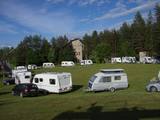 |
In the summer season we offer trips by raft and boats, camps for children, an area for organizing events, camping for the night. In the winter season "Baili" has a ski center - downhill ski tracks, ski and snowboard equipment rental, instructor services. Catering offer in a cafe. |
|
 |
The biography of Krišjānis Valdemārs tells us that during the summer of 1839, teachers and students from the Lubezere school spent a few days on the coastline in Roja, where Valdemārs would later help to build a maritime school. The area was breath-taking and unforgettable for the little boy. “The noble appearance of the sea grabbed the spirit of the young man so powerfully that during those three days, I thought about nothing other than the noble sea, with childish courage that allowed me to prepare a plan for a deeper port in the Roja River so that larger boats and small ships could enter it,” Valdemārs wrote. (Source: Roja TIC) |
|
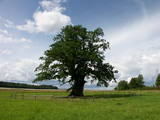 |
This is the second thickest tree in Latvia and the Baltic States. There is a large and open hole in the trunk of the tree. Like most trees of its size, it has suffered lightning damage. The tree is a wonderful part of the landscape, and a little wooden fence has been put up around it.
|
|
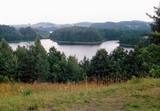 |
Vermutlich ein heidnischer Hügel. Schöner Blick auf die 6 Seenlandschaften. Ein Symbol vom Nationalpark. |
|
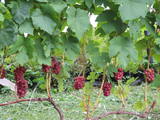 |
This is one of the largest vineyards in Latvia, with more than 50 types of grapes. The owner will take you on a tour and offer consultations about growing grapes, tastings of grapes and an ability to purchase the plants. |
|
 |
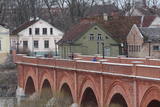
Interesantā būve, kurai Baltijas valstīs grūti atrast līdzinieku, ir meklējama 2 km ziemeļaustrumos no Kirblas (Kirbla). 307,8 m garo arkveida tiltu pāri Kazari upei (Kasari jõgi) uzcēla 1904. g. deviņu mēnešu laikā. Tajā brīdī to uzskatīja par Eiropas garāko šāda tipa dzelzsbetona tiltu. Tagad to var šķērsot tikai ar kājām vai ar divriteni. Tumšajā diennakts laikā tilts ir skaisti izgaismots! Tā ievērojamais garums ir skaidrojams ar apstākli, ka pavasara palos Kazari palienes applūst lielās platībā. |
|
 |
Celta 1933. g. vietējai brāļu draudzei. Baznīcā atrodas glezna “Kristus” (1850. g.) un Liepājas meistara Jēkaba Jauģieša 1920. g. darinātās ērģeles. Mūsdienās dievnamu izmanto Bārtas draudze. Pie baznīcas novietots akmens apkaimes represētajiem iedzīvotājiem. |
|
 |
Kuldiga is deservedly considered the most beautiful small town of medieval times in Latvia. Instead of it already in the 13th century the Bandava centre of the ancient Cours land was located. In 1242 construction of stone castle was begun at Venta Falls by the Livonian Order. Populated area formed beside the castle, which was the first to acquire the rights of a city in Kurzeme (in 1378). Significant was also its participation in the Hanza Union. From 1561 until 1795 Kuldīga was the capital city of Kurzeme Dukedom. Naturally, in the first half of the 17th century it experienced rapid economic growth, which was terminated by the beginning of the Northern War and plague epidemic. The pride of Kurzeme residents and the lack of larger industrial objects was the reason, why during the Soviet times larger masses of immigrants did not flood the city, therefore today Kuldiga is one of the most Latvian cities in Kurzeme. It is worth to visit Kuldiga and stay there for more than one day, because there is plenty to do here. Nature fans may observe the flying fish, but for researchers of cultural history a really vast field of work opens here. |
|
 |
The restaurant is in the southern part of Liepāja and features an open-type kitchen that allows clients to watch the chefs at work. Latvian cuisine: Mushroom soup, fish soup, crepes, potato pancakes, lamb chop, grilled pork filet, steams tongue of veal, leg of lamb, cottage cheese dessert. Special foods: Cod soup a la “Olive” or a special ice cream cake. |
|
 |
Karulas nacionālā parka lielākais ezers - 2,8 km garš, līdz 1 km plats. Ezera ziemeļaustrumu krastā atrodas parka apmeklētāju centrs. 5,5 m dziļais ezers ir gan zivīm, gan nostāstiem bagāta vieta. Ezera un tuvākās apkārtnes iepazīšanas nolūkā ir izveidota 3,5 km garā Ehijerva taka (Ähijärve teerada). Tās sākums atrodas pie iepriekš minētā apmeklētāju centra, kur izveidota atpūtas vieta un atraktīvs bērnu spēļu laukums. Taka sākumā ved gar ezera krastu, nelieliem mitrājiem un meža ceļiem, kas izmantoti iepriekšējos gadsimtos. |
|
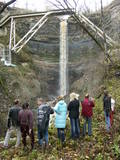 |
This is a cliff with various levels. Known as the North Estonian cliff, it stretches all along the shore of the Bay of Rīga in Estonia, including some of the local islands. The most expressive part in geological and landscape terms is the Saka-Ontika-Toila cliff, which is around 22 km long and offers an unusual natural environment. The cliff is as much as 53 m high, and it has a fairly virginal forest along its slopes. The layers of clay, sandstone, limestone, etc., come from the Cambrian and Ordovician periods. The Valaste juga (Valaste waterfall) is 24 metres high. After a longer period of freezing temperatures, the waterfall has a particularly impressive appearance. Seasonal waterfalls (8-10 m) can be found near the villages of Ontika and Toila.
|
|
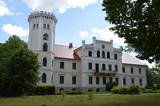 |
Skaistā ēka atrodas Lizuma centrā. Lizuma muižas īpašumi piederējuši dažādām dzimtām – vācbaltiešiem Tīzenhauzeniem, Malamiem un Volfiem. 1836. g. muižu iegādājas barons Otto Gotlībs fon Volfs, kura laikā muižas pils iegūst tagadējo veidolu – Tjudoru neogotikas stilu ar poligonālu torni. Jau no 1937. g. pilī izvietojusies Lizuma skola, kas ir viens no iemesliem, kādēļ saglabājusies ne tikai pati ēka, bet arī atsevišķi interjera elementi kāpņu telpā, Zilajā (Mednieku) zālē u.c. Pili ieskauj parks, kur atrodas muižas saimniecības ēkas – mūra klēts (te kultūras nams), 1876. g. celtais zirgu stallis (sporta halle), kalpu un dārznieka namiņš u.c. Bijušajā spirta brūzī ražo Gotiņas konfektes. Pils tornī izveidots Lizuma vidusskolas veidotais novadpētniecības muzejs. |
|
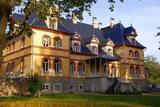 |
Mooste Manor is located on the Mooste lakeshore. The attractive mansion is complemented by a large number of outbuildings in Historicist style, and a landscaped park in English style. The mansion houses the local school, the woodwork shop has become a guesthouse, the stable of workhorses is home to restorers, the manager´s house is the Centre for Art and Social Practice while the cattle shed is a concert hall today. |
|
 |
The restaurant is alongside the Salacgrīva Tourism Information Centre, in an historical ice cellar for fish. The interior design is based on seamanship. Latvian cuisine: Cold beet soup, sea fish soup, fish and vegetable casserole, chocolate sausage, pancakes with strawberry jam, kvass. Special foods: Baked and grilled fish – perch, plaice, pike-perch. |
|
 |
The saloon is located near the Kuldīga ring road. This is a slow-serve saloon with foods cooked on alder wood on the basis of the slow food principle. The saloon offers “meals in the garden”. Latvian cuisine: Bean salad, sprats with cottage cheese, oatmeal with smoked meat, false goose, pike-perch sautéed in cream, cod with onions and tomatoes, potted mutton, beef with onions, hunter’s style pig liver, potted sautéed vegetables, hot dumpling soup with blackberries, wild berries with whipped cream, apples caramelised in honey, cottage cheese desserts. |
|
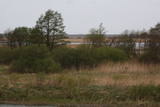 |
At the centre of this restricted area is the eutrophic Lake Tosmare, a former lagoon from the Littorina Sea. The lake and its surroundings offer protection to many plants and birds. At the southern end of the lake one can spot remnants of the former Liepāja fortification system, and to the West is one of the most important parts of that system – the Fortress canal. |
|
 |
The farm breeds some 400 rabbits and also grows strawberries. Breeding rabbits, rabbit meat, strawberry plants (3-4 different kinds) and berries can be purchases. Lettuce is available in the spring and vegetables are on offer in the fall. You can take a tour of the farm and learn about rabbit breeding. |
|
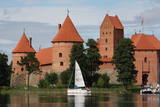 |
The Trakai Island Castle is the only East Europe's castle which is built on a little island. The process of building this castle started in 14th century. After its fall on 1410 during a war it lost its meaning as a military base and became a living place for ruler of Lithuania. Trakai Castle is one of the most popular objects in Lithuania for tourists. Inside the castle is a museum which tells about Trakai history.
|
|
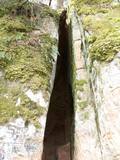 |
The Vējupīte ravine is meant for those who are not afraid of long and steep wooden stairs of the type that lead you up and down the ravine. From the Līvkalns guesthouse, you can climb the stairs downward, where you will find a shallow (3.6 m) but high (6.1 m) cave – the Pēters Cave. It is something of a gap or a niche. Another 10 minutes or so downstream (toward the Gauja) will lead you to the deep Pūces ravine and its Kraukļupīte River. The Satezele castle hill is at the confluence of the two rivers (90 x 75 m). A wooden castle was there during the feudal era in the early 13th century. Its main entrance was on the western side of the castle hill. You can get to the hill from the depths of the ravine via a wooden staircase. The Kraukļi ravine, in turn, is accessible if you climb down the same stairs and continue on your way toward the Gauja. The ravine is found on the left bank of the Vējupīte, and its sandstone walls are up to 11 m high. The Kraukļi cave, which is 5.2 m deep, is on the wall. Another 10-15 minutes (crossing the Vējupīte on a wooden bridge), and you will find another staircase leading you to Paradīze Hill (see the description above). |
|
 |
BURSH brewery – one of the smallest breweries in Latvia which is situated between Zemgale, Vidzeme, Latgale and Selija territories – in the Plavinu territory of Aiviekste district. Beer connoisseurs are offered dark and light beer BURSH. BURSH is made of water, barley malt, hop and yeast, is boiled on a firewood stove, fermented in oak barrels and prepared for 30 days. LLC „ECOS” uses only natural raw material in the process of brewing. Beer is made according to the special recipes made especially for BURSH brewery and with attention to traditiaonal methods of brewing beer. |
|


