
| No | Name | Description |
|---|---|---|
 |
You can access ÕUNA farm (ÕUNA puhketalu) by Piibe Road, behind the old horse post and pub. Here you can spend the night, have some food and enjoy various entertainment activities. Menu includes only Estonian national foods. |
|
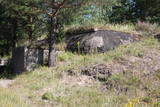 |
Another coastal defence battery was sited about 1,500 metres to the East of Lūžņa, where the Lūža River flows into the Baltic Sea. Remnants of Soviet-era buildings can still be seen there.
|
|
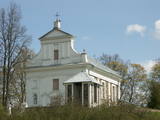 |
Construction of the church began in 1830 thanks to money donated by nobleman Ludvigs Šabanskis. The Baroque stone church is surrounded by a restored stone fence, and inside there are icons including "Heart of Jesus," "Christ's Suffering," and "St Joseph." The church is not open to the public on a daily basis. |
|
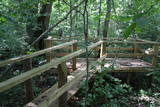 |
Informatīvi bagāta un interesanta dabas izziņas taka, kas ved pa Gaujas tuvumā esošajiem krasta biotopiem – boreāliem mežiem, nogāžu mežiem, gar vecupi, jauktiem lapu koku un platlapju mežiem, kā arī parkveida ozolu pļavām. Ziemeļgaujas aizsargājamo ainavu apvidū esošie meži ir vieni no sugām daudzveidīgākajiem Latvijā. Taka ir marķēta, izveidotas skatu platformas, izvietoti informatīvie stendi. Kopējais takas garums: 2,2 km |
|
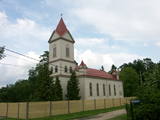 |
Located at 10 Sēravotu Street. The historicism style building is built from wood in 1889 and it is the newest of the three churches in Ķemeri. It is possible to see the church from the inside on the days of worship services. On other days-from the outside. |
|
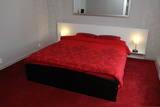 |
Guest house AMRAI is located in Ventspils, in a quiet, tidy area, 6 km from the central beach and 2 km from the wild beach. For accommodation we offer a well-equipped two-storey holiday house with two separate rooms, as well as well-equipped 1-room and 3-room apartments in a private house with separate entrances from the yard. The one-room apartment has a shower, toilet, kitchen, TV - local, internet. The three-room apartment has a jacuzzi bath, toilet, kitchen, TV-spot, internet. Both apartments have a washing machine. In the garden there is a place for games, trampolines, grills. Offers board games and outdoor games - free of charge. Possibility to order meals, talk to a babysitter, rent bicycles. |
|
 2 days
|
Эта поездка на автомобиле предусмотрена для всей семьи и особенно понравится детям. Вы сможете понаблюдать за работой гончара, а также мастер с удовольствием посвятит Вас в секреты своего мастерства. Побывать в гостях у барона Мюнхаузена, знаменитого своими многочисленными приключениями. Погулять по улочкам Цесиса и отправиться дальше в крестьянское хозяйство, где разводят кроликов. Малышам особенно понравится играть с крольчатами в открытых вольерах. Хозяева оленьего питомника расскажут о жизни диких животных – оленях, кабанах. Вы сами сможете наблюдать за животными со смотровых вышек. В хозяйстве экзотических животных увидите страусов, муфлонов, пони и карликовых свиней. По пути домой рекомендуем насладиться красотами Сигулды. |
|
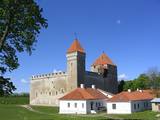 |
The stronghold dates back to the 13th C, exhibitions in its cellars present wildlife and history of the island. Workshops (smithy, glass, ceramics, stone) run from May to August for visitors to admire or participate in. The archery range nearby adds to the excitement and there you can also mint coins. |
|
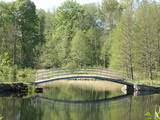 |
The Zasa park is an estate park that is on the shores of the little Zasa River near the Zasa millpond (toward the North of Zasa). The landscape park dates back to the 18th century and is in the style of Romanticism. The park was installed when the mansion of the Zasa Estate was built. It was owned by Heinrich von Zass, after whom the Zasulauks neighbourhood of Rīga is named. When ownership of the estate changed in the 19th century, the Zasa Estate was seen as one of the wealthiest and most beautiful estates in the region. It is worth hiking through the vast park with its many bridges, the Werewolf tree, the Devil’s rock and a sacred stream. There are guides who will accompany you on a tour of the park. +371-2633-7227. |
|
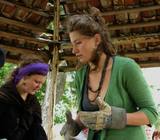 |
You can try your hand at pottery and take part in the opening of the kiln. You can also order and purchase ceramics. |
|
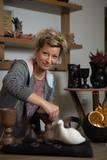 |
This is one of the few craftswomen in Latvia who does not use a potter’s wheel in her work. Instead she works in the “snail” or “sausage” technique that was typical of the Bronze Age. Her artworks are distinguished by a diversity of form and functionality. Children can attend master’s classes. You can take tours, take part in the opening of the kiln, and purchase fumigated ceramics products. |
|
 |
Meklējams Virgas centrā. Asprātīgā piemiņas zīme (tēlnieks R. Gabaliņš, mākslinieks R. Kalniņš) – zābaks ar diviem pretēji vērstiem lielgabaliem un lodēm vēsta par Ziemeļu kara laika notikumiem, kad 1701. g. Virgā bija izveidota zviedru karaspēka nometne. Stāsta, ka karalis Kārlis XII savu zābaku pazaudējis citā reizē un vietā - Spilves kaujā pie Rīgas. |
|
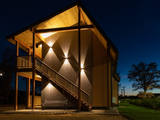 |
Bestes Apartments is a new guest house that can accommodate 45 guests at a time (+ 10 extra beds). The guest house was built and designed in the Latvian style (a wooden building made here in Mūrmuiža), beds made in Latvia, bed linen made in Latvia were used. |
|
 |
The town of Subate was first listed in documents in 1570, when Duke Gotthard Kettler of the Duchy of Courland sold the Subāte marketplace to Count G. Plater-Sieberg. When the Plater-Sieberg dynasty converted to Catholicism in the mid-17th century, Lutherans in Subate protested by moving to the eastern bank of Lake Subate. That was the property of the Prode Estate (only ruins remain at this time), which was owned by the Osten-Sacken dynasty. In 1685, the Osten-Sackens built a Lutheran church for the “refugees,” and Jaunsubate was established around it. Both parts of the town were merged again in 1894. During Latvia’s liberation battles in 1919, Subate was liberated by Lithuanians, at which time the town was divided up between Latvia and Lithuania (though the border between the two countries was set at the previous line in 1921). The historical centre of Subate was established between the 16th and the 19th century, and it includes four churches for various congregations and low wooden buildings which stretch along narrow and curvy streets. The town is on the shores of a sub-glacial depression with Great Lake Subate and Lesser Lake Subate therein. This provides the town with unusual landscapes for Latvia. |
|
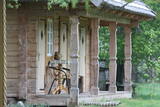 |
Ļoti skaists un ainavisks etnogrāfiskais ciems Balošas (Baluošas) ezera ziemeļu krastā, netālu no diviem iepriekš minētajiem ciemiem. Te apskatāmas interesantas un skaistas koka ēkas, kas celtas no guļbaļķiem, ar niedru vai lubiņu jumtiem un izrotātas ar dažāda veida dekoratīvajiem elementiem. Pirmo reizi rakstos Šumini minēti 1784. g. Savu vārdu ciems ieguva no kādreiz dzīvojošas ģimenes uzvārda. Kā interesantākā ir jāpiemin sena klēts. |
|
 |
Lina, vilnas apģērbu šūšana, galdautu, dvieļu, jostu u.c. tekstilizstrādājumu šūšana. Tērpu darināšana nav tikai darbs, bet arī aicinājums. Tas palīdz izgatavot vissarežģītākās tērpu konstrukcijas. Nemitīgā zināšanu papildināšana kursos ļauj veiksmīgi dzīvot līdzi mainīgajām modes prasībām. Paralēli individuālajiem pasūtījumiem tiek izgatavoti gan apģērbi, gan citi šūtie izstrādājumi tirdzniecībai. |
|
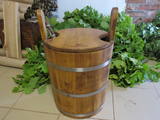 |
Here you will find everything that you need for a proper Latvian sauna – bowls, scoops, tubs large and small, switches, linen products and log saunas as such. You can tour the workshop, try out your own hand at the work that the owners do, and commission or purchase their products. |
|
 |
Atpūtas centrā tiek piedāvāta iespēja atpūsties brīvā dabā kolektīviem vai individuāliem apmeklētājiem. Iespējams izmēģināt dažādus metamos ieročus (nažus, cirvjus u.c.), kā arī šaušanu ar dažāda veida lokiem, arbaletiem, pneimatiku u.c. |
|
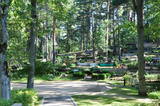 |
A cemetery has been found in this location since 1773, and among those who are buried there is the outstanding Latvian poet Ojārs Vācietis (1933-1983). A monument commemorating him is here, as is the Carnikava Estate repository that was built in the 18th century. The gravestone of a lessor of the estate, Falck, is also in the cemetery. |
|
 | ||


