
| No | Name | Description |
|---|---|---|
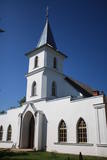 |
The Ilūkste Roman Catholic Church is to the North of Unity Square. The first stone church in Ilūkste was financed by the Plater-Sieberg dynasty of noblemen between 1754 and 1769. The current church was built in 1816. In 1861, it was taken over by the Orthodox Church, but it was returned to a Catholic congregation in 1920. The church was restored in 1921. The interior can be viewed during worship services. |
|
 |
The owners have made sure that everyone can buy fresh and processed fishery products from local producers. During the summer, on the terrace, you can listen to Mazupīte's water, enjoy freshly grilled fish, as well as enjoy particularly delicious cakes, coffee and ice cream. |
|
 |
The Kaigari farm is in the Mežotne Parish of the Bauska Administrative District and specialises in grain farming. The farm makes active use of EU funding, some of which has been used to buy modern agricultural equipment. The farm has some 400 ha of land, and the apple orchard offers a very beautiful landscape, including the Lielupe River valley. |
|
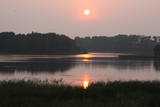 |
Also known as Lake Jēsis or Lake Iesis, this is the lake in Latvia which has the largest number of islands. Many literary sources and encyclopaedias in the 20th century claimed that there were 69 islands in the lake, but that was an exaggeration, because apparently the authors took sandbars overgrown with reeds and other plants to be islands. The true number is approximately two times lesser. The largest number of islands can be found in the north-eastern part of the lake. The largest one is Lielā Lāča (Big Bear) Island (45 ha). A farm was on the island at one time. The islands and the oak trees that are on the shores of the lake – the Piļoru and Pahatnīku stands of trees – are in a restricted environmental reserve. |
|
 |
The craftswoman produces beautiful rag blankets, bags, as well as pillows with ranges and combinations of colours that are typical in Latgale. You will learn about the weaving techniques and be able to examine finished products. You can weave your own rag blanket and commission and purchase the products. |
|
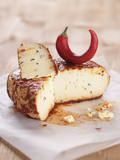 |
The Sierštelle factory is in the centre of Ogre, just half an hour from Rīga by car. The local “Police Academy” leisure venue offers cheese-based dishes from Sierštelle, as well as the sale of cheeses. Sierštelle offers 31 kinds of cheese, including savoury and sweet cheeses. One special recipe was born right there in Ogre at the popular Swimming Spa. |
|
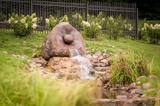 |
Lielbātas dabīgais dzidravots ir lielākais Latvijā un viens no retajiem Ziemeļeiropā, kas zemes virspusē no dzīlēm iznes bioloģiski aktīvu un pareizi strukturētu ūdeni. Lielbātas dzidravots tek no rietumiem uz austrumiem pretī saulei, tāpēc jau izsenis tiek uzskatīts par maģisku, pat svētu, kam piemīt dziednieciskas spējas. Vēstures materiālos Lielbātas avots pirmo reizi pieminēts 1253. gadā un līdz šim brīdim turpina savu plūdumu. Lielbātas avots atrodas sakoptā un ekoloģiski tīrā vidē. Laikam ritot, avota ūdens plūsma nav mazinājusies, bet tieši pretēji, tā ir pieņēmusies spēkā un ar apbrīnojamu jaudu avots turpina dot unikālu dabas velti – tīru, bioloģiski aktīvu, pareizi strukturētu ūdeni, neapstājoties ne dienu, ne nakti, ne ziemu, ne vasaru. Netālu no avota atrodas vēsturiskā Vaiņodes jeb Lielbātas pils, kuru 19. gs. vidū būvēja barons Osten Sakens. Vēstures liecības liecina, ka šī vieta pils būvniecībai nav izvēlēta nejauši. 1923. gadā pilī tika izveidota sanatorija, kas ne tikai bija priekšzīmīgākā Latvijā, bet varēja cienīgi līdzināties ārzemju sanatorijām. Tam par iemeslu bija dabiski tīrā un dziednieciskā vide, kas saglabājusies līdz pat mūsdienām. Lielbātas pils ir privātīpašums un apmeklētājiem nav pieejama, taču Lielbātas avots ir brīvi pieejams, un katram ir iespējams nogaršot avota ūdeni. Adrese: Vaiņodes pils, Vaiņodes pagasts, Dienvidkurzemes novads LV-3535 |
|
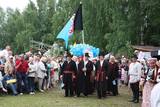 |
Mulgima or Mulgi is a cultural and historical region in the south of Estonia. The part of Viljandi county located south of the rivers Raudna and Tenasilma was considered to be region of Mulgimaa. In ancient times, Mulgi farmers were famous for their sharp minds and determination, which helped to buy land from German-Baltic nobles and become rich farmers. The icons of Mulgi culture - the dialect, the well-known men's long black jacket and the traditional Mulgi porridge - have survived to this day. |
|
 |
The farm offers premium, locally grown products from herbs found in Dole Nature Park and those that are self-grown. A family-owned company that respects and keeps traditions. |
|
 |
This farm grows hemp and offers information about the history of the plant and its uses in nutrition and saunas. Hemp butter, ice cream, tea and hemp milk are offered. Take a tour with degustation. |
|
 |
Hiiu Gourmet ir mazs uzņēmums, kura mērķis ir piedāvāt produktus no vietējām izejvielām Hījumā. Izstrādājumi tiek izgatavoti ar rokām mazos daudzumos. Produktu klāstā ir mājās gatavoti sīrupi, piedevas, sinepes utt. No augiem un ogām, kas novāktas Hījumā mežos. Saimniece Heli padāvā Hījumā tradicionālā ēdiena gatavošanas meistarklases. |
|
 |
Auces novads miniatūrā izveidots ar Auces novada nozīmīgākajiem un atpazīstamākajiem objektiem miniatūrā, kuri apdzīvoti ar mājdzīvniekiem. Iespēja Auces novada iedzīvotājiem un viesiem izveidot saikni ar dabu un vienlaicīgi iepazīt Auces novadu. Mazajiem apmeklētājiem izglītojoša saikne ar dzīvniekiem, iespēja tos pabarot ar saimnieku sarūpētajām veltēm. Veicināta Auces novada atpazīstamība caur miniatūriem objektiem. Tiek piedāvāta ekskursija, kuras laikā iespējams apskatīt 4 saimniecības: Zemnieku saimniecību ‘’Skabargas”, Lauku sētu ‘’Krastiņos’’, saimniecību ‘’Andulaiši’ un Lauku sētu ‘’Baltiņi’’. Ekskursija notiek gida pavadībā. Tiek gaidīti viesi, grupās no 10 cilvēkiem, ar iepriekšēju pieteikšanos. |
|
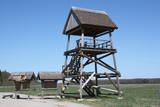 |
This barrow is on the western side of the Dunduri meadows and was built on the parking lot of the former collective farm. From the second level of the tower, you will have an excellent view of the meadows all the way to the Džukste River and the Kauguri canal. There are livestock accustomed to life in the wild, although they will sometimes be quite distant. This is a bird-watching location from the springtime until the second half of the summer. |
|
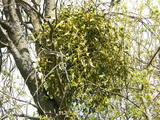 |
This is a mostly forested territory which is home to one of the largest areas of the white mistletoe, which is a semi-parasitic plant. It is best to observe this unique plant when it has no leaves. Latvia is the northern limit to the white mistletoe, which is why it is not all that common. It is interesting that even more of this rare specie can be seen outside of the nature restricted area. |
|
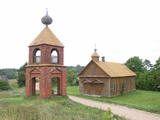 |
One of the most unusual houses of worship in the national park, this one has a red brick tower, and together with local residential buildings it makes up an interesting cultural landscape. The prayer house is not open to the public. |
|
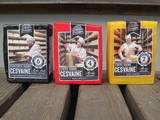 |
There are ancient cheese-making traditions in Cesvaine, where the Cesvaines Dairy was established on the basis of the historical Cesvaine Estate dairy operation. The company produces butter, cottage cheese, cheese, home cheese and soured cream. The “Pie Arkas” store that is alongside the dairy sells those products. |
|
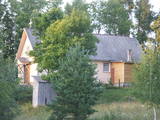 |
The present wooden church on the hill was built in 1947 but today it has been restored. Currently, the deanery of Rezekne is located there. Every day you can see it from the outside. Until 1960, in Dukstigals there were two congregations: White Dukstigals (Šadurska) and Black Dukstigal (Slobodska). In White Dukstigals, the church was built in 1775. In 1960, during the time of the Soviet power, the church was violently demolished, despite the fact that it was an architectural monument and the oldest wooden church in Latgale-367years old! The "excuse" was the explanation that one congregation must not have two churches. |
|
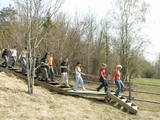 |
This path is found on the right bank of the ancient Abava river valley. The visitor will be able to view places where underground streams create wetlands, various kinds of meadows, a stand of juniper bushes, etc. The area is “managed” all year long by “wild” cows. The shore of the ancient valley can be climbed (some 200 steps), and the view is magnificent. It is recommended that the trail be visited in the company of a knowledgeable guide. There is a shorter path that is 600m long, along with a longer one that is more than a kilometre in length. It will take an hour or so to traverse it. Objects are found in the ancient Abava valley nature park.
|
|
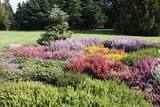 |
One of the youngest Latvian towns, in 2013 it will celebrate its twenty year anniversary. A number of significant scientific institutions in a Latvian scale is located in Salaspils (in Soviet times it was built as a science centre) - Institute of Biology, Institute of Inorganic Chemistry, Institute of Physics, National Botanic Gardens, former Salaspils nuclear reactor and the Forest Research Institute "Silava". Over the last decade the infrastructure has been developed, as well as wide areas of private houses are developed. In 1996 a new Catholic church was built in Salaspils. Most of the town residents commute each day to Riga for work. |
|
 |
Old Kybyn Inn in Trakai serves traditional Lithuanian food like their Karaite meat pasty – the Kybyn as well as other sorts of food. |
|


