
| No | Name | Description |
|---|---|---|
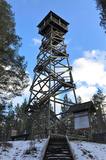 |
This recently built 26-metre wooden tower is on Ūdri Hill (58 metres above sea level). It is on the north-eastern shore of Lake Usma, less than one kilometre from the lake. The tower offers an excellent view of Lake Usma, its islands, and the vast forests which surround it.
|
|
 |
The mouth of the most beautiful river of Vidzeme. On the seashore between the mouths of River Gauja and River Daugava, one of the largest dune ranges in Latvia with distinctive parabolic dunes overgrown with forest (wooded dunes) is situated. The Mouth of River Gauja is unique as it is one of the few major rivers in Latvia and in EU countries to flow into the sea naturally. There is no harbour or other hydro-engineering construction. It is a popular recreation area in the vicinity of Riga and Saulkrasti while, unfortunately, the lack of infrastructure makes it suffer from anthropogenic load. Not far from the rivermouth, hidden in dunes, there are pillboxes which were built in 1920 or 30ies as anti-airborne barriers. There was a whole range of them along the coastline from the mouth of the River Lielupe to the mouth of the River Gauja forming a part of the Daugavgrīva Fortress fortifications. The pillbox is made of concrete, ca 1.5m thick. Every year, on the 3rd Sunday in August, a lamprey festival takes place in Carnikava town by the Gauja rivermouth. Carnikava is called the Lamprey Capital as it is famous for its lamprey fishing tradition and generous catches. The Mouth of the River Gauja is a good bird-watching area, especially in spring and autumn when one can observe the highest variety of species. Just few of the many bird species that can be observed near the Gauja rivermouth |
|
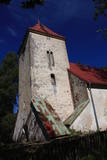 |
Iespaidīgais un monumentālais dievnams uzcelts 1816. gadā. No baznīcas nozīmīgākajām interjera detaļām ir saglabājušās ērģeles, altārglezna, lustra un kroņlukturis. Jāpiebilst, ka baznīca savā pastāvēšanas laikā nav pārtraukusi savu darbību. |
|
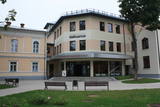 |
The current exhibition is in a building that used to house the Latgale Central Museum, and it speaks to the 700 years of the history of Rēzekne. It features typical ceramics and other artworks from Latgale. A separate exposition, “A Miracle Created by the Transformation of Clay and Fire,” speaks to the history of ceramics, and the museum also features pottery workshops where people can watch experts using ancient traditions to create new forms of pottery. Outside of the museum is a monument to the distinguished Lettigalian poet Antons Kūkojs (1940-2007). |
|
 |
A third-generation family company, producing “Gotiņa” sweets since 1959. Located in the centre of Skrīveri, a 2-minute walk away from the train station. Company has a Sweets Workshop where visitors can take a tour, wrap their own candies, learn about their history, taste the products, and purchase natural and fresh sweets. For “Gotiņa” sweets with rye bread and cranberries, they use heated rye breadcrumbs from the Lāči bakery. Fresh and delicious sweets can be purchased in the factory shop.There are four different tour programmes in all. |
|
 3 days
|
Here you will learn about home-based manufacturers, farms, companies and others in northern Vidzeme that produce various dairy products such as milk, yogurt, cottage cheese, cheese, ice cream, etc. You’ll start out in Cēsis with its Medieval old town, castle ruins, St John’s Lutheran Church and other destinations. Wind your way through the Gauja National Park (Ungurmuiža, Lake Ungurs, the Medieval castle and church at Straupe). You’ll hit the seashore at Saulkrasti and then drive along it to Tūja, where you will turn inland again. In Limbaži you will find Medieval castle ruins, a monument to the great folklorist Krišjānis Barons and other objects. Drive on to Valmiera (St Simon’s Church, castle ruins, a museum, Emotion Park, etc.), Rūjiena and Naukšēni (the Naukšēni Estate). Along the “Northern Pathway” you will reach Kārķi and then Smiltene and legendary Rauna (the Raunas Staburags cliff) before returning to your starting point. |
|
 |
The Cīruļi farm is in the Rings of Daugava Nature Park and in the village that is called "Lielie Muļķi" (Big Fools). The owners have more than 100 hives of bees, share experience, talk about the lives of bees and offer tastings and purchase of products. There is a chance to look and buy paintings by the owner who will talk about the "Lielie Muļķi" (Big Fools) village. |
|
 |
Saimniecība piedāvā zirgu izjādes (ratos un mugurā), iespēja apskatīt dzīvniekus lauku sētā (zosis, vistas, truši, teliņi, kazas, aitas, suņi un kaķi). Pļavas ar ārstniecības augiem, mežs, dīķis, stārķu koks. Sarunas par dzīvi ar saimniekiem. Rīta rasas skaistuma procedūras, "varžu koris", tējas baudīšana seno ābeļu paēnā, ārstniecības augu vākšana kopā ar saimnieci. Telšu un piknika vietas (līdz 20 cilvēkiem). |
|
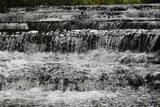 |
Krāčains Lobu upes (Loobu jõgi) posms pie Joaveski ciema, kur ~ 160 m garumā upes gultnē, tai šķērsojot Ziemeļigaunijas glintu, izveidojušās izmēros nelielas, tomēr ļoti ainaviskas un skaistas 0,5 – 1 m augstas ūdenskritumu kaskādes. 1898. g. šeit uzcēla hidroelektrostaciju, kuras atliekas ir redzamas upes labajā krastā. Iecienīta pavasara laivotāju treniņu vieta. |
|
 |
On the third Saturday of each month from 9:00 to 13:00 the Green market takes place in Gulbene, where there are gathered outworkers, craftsmen and farmers from different districts of Latvia. There are offered goods made by the outworkers, seasonal vegetables and fruit, as well as beauty and design products, including other useful household and pretty goods. |
|
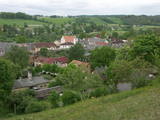 |
The Wine Hill of Sabile has been known since the age of the Duchy of Courland as the northernmost place where grapes were grown to produce more or less sour wine for the duchy. A wine festival has been held each year during the latter half of July in Sabile since 1999. The hill offers an excellent view of the small town that is on the banks of the ancient Abava River Valley. |
|
 |
Уютное кафе в центре Тукумса. Время работы: пн. – сб. с 10:00 до 18:00; вс.- закрыто. |
|
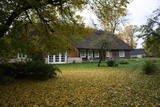 |
Ethnographical guesthouse in the historical Paenese, Muhu island
|
|
 |
This cosy restaurant offers dishes made of Lithuanian ingredients. Enjoy a collection of ancient culinary tools and baking equipment. If you wish to bake your own traditional spit cake, you can take a class to learn how to do that. |
|
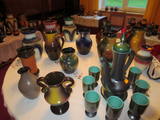 |
The craftswoman will talk about and demonstrate the way in which she produces various products, encouraging you to do some of the work on your own. You can buy ready-made objects or commission new ones. |
|
|
|
Medinski Vincīši boulder also called Magoņkalns (Poppy hill). Red rapakivi granite boulder is found
in the tree cluster only 40 m to the left of Jaunviļāni – Medinski road and about 40 m from the right side of
the river Malta. The boulder is 6,6 m long, 5,4 m wide and 3,3 m high. The circuit of the boulder is 20 m
and the volume 40 – 45 m3.
|
|
 |
Mustjala Mustard Saaremaa offers self-made mustard and chutneys, anyone can taste and choose the one that suits you best. We also organise masterclasses where you can learn how to make your favourite chutney yourself. |
|
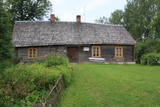 |
The distinguished Latvian author an painter Jānis Jaunsudrabiņš (1877-1962) spent six years of his childhood at Riekstiņi in Nereta. He was born into a servant family and moved to Riekstiņi together with his mother after his father passed away. The household inspired him for his "White Book." In honour of Jaunsudrabiņš, a museum was opened at Riekstiņi in 1967, and it is in an authentic Selonian farm with its spirit and aromas. You can tour the residential building and the homestead's granary and wheelhouse, also houshold building from 1820. The apple orchard has trees that are 100 years old and older. Nearby is the Ķišķi cemetery (on the side of the Vecumnieki-Ilūkste road), where members of the Jaunsudrabiņš family were interred and Jānis Jaunsudrabiņš was reburied in 1997. The Nereta Administrative District still has many single family farms and place names which Jaunsudrabiņš mentioned in his books. |
|
 |
The Alejas bakery and guest house is located 0.5 km from the centre of Rucava. The bread here is made with natural sourdough and baked in a wood oven. Various types of rye bread (ordinary rye bread, sweet and sour rye bread with or without other ingredients, rye bread with fruit, etc.), rye bread and garlic croutons, and various types of white bread. By prior arrangement it is possible to buy bread to take home. |
|
 |
The company produces butter, cream, cottage cheese, cottage cheese products, yoghurt and desserts, using high-quality milk that comes from more than 100 local farms and three co-operatives. Technological processes are observed and improved during the manufacturing process so that the product retains its value in terms of taste and nutrition. Tourists are welcome, and tastings are available. This is one of five companies in Latvia that can produce “Summer Solstice” cheese as an EU guaranteed traditional product. The company’s products also have the “Green Teaspoon” quality mark. |
|


