
| No | Name | Description |
|---|---|---|
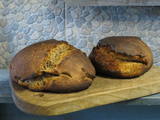 |
Sweet and sour rye bread is baked here on the hearth of a wood-fired oven, following an old family recipe and using home-grown, historical varieties of rye flour. The dough consists of rye or barley flour, salt, sugar, caraway seas and natural yeast. You can help to bake the bread, taste and buy it, and tour the farm’s museum. The farm grows its own grain in an environmentally friendly way. Available for purchase: sweet and sour rye bread, sweet and sour rye bread with peas, garlic, seeds, hemp, or without sugar. |
|
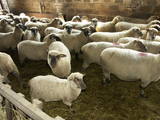 |
The farm breeds more than 150 sheep. There is a location to feed lambs, and the owners organise animal auctions and “Sheep Days” events. You can take a tour of the farm and purchase pedigreed sheep and sheep-related products. |
|
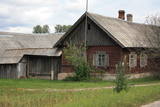 |
Apdzīvota vieta ~ 1 km dienvidos no Daugavpils – Krāslavas (A 6) ceļa, kas pazīstama ar savu neparasto nosaukumu. Interesanti, ka vietvārds saistīts arī ar iedzīvotāju uzvārdiem, ko var redzēt tāda paša nosaukuma kapos. Ciema apkaimē pazīstams ir Lielo Muļķu svētavots, kuru gan nezinātājam ir grūti atrast, tādēļ ieteicams izmantot vietējā gida pakalpojumus, apvienojot šīs vietas izziņu ar biškopības saimniecības „Cīruļi” apskati. |
|
 |
Ziemciešu audzētava „Puķu lauki” ir ģimenes uzņēmums, kurā audzē un piedāvā dekoratīvos stādus. Saimniecība ir specializējusies konkrētu augu grupu audzēšanā. Tās laukos bagātīgi zeļ ziemcietes, graudzāles (zāļveida ziemcietes) un dažādas cirpto bukšu formas. Turklāt, šejienes augu šķirnes ir pielāgotas mūsu klimatiskajiem apstākļiem. Apmeklētāji var izstaigāt skaisti iekopto un ainavisko paraugdārzu, kā arī iegādāties stādus plastmasas konteineros visas sezonas garumā. |
|
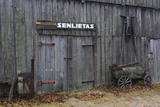 |
Atrodas Jūrmalciema austrumdaļā. Koka šķūnī sakrāti vietējo entuziastu savāktie Jūrmalciema iedzīvotāju sadzīves priekšmeti un amata rīki. Novadpētnieki te var uzzināt vērtīgu informāciju par ciema vēsturi un zvejnieku dzīvesveidu. |
|
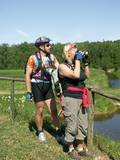 |
The barrow which offers a good view is at the northern end of the Dunduri meadows – at the end of Melnragi. It is an artificial barrow which follows along with the bed of the little Slampe River. The meadows are home to livestock allowed to live in the wild, and you can see a bit of the restored Slampe. The view is particularly interesting during flooding season, when the surrounding wetlands become saturated. This is a location for bird-watching.
|
|
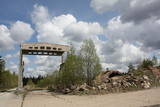 |
The ship and coast guard missile repair workshops in the forests around Bārta in the Liepāja District are very impressive in visual terms. The facility is owned by the regional local government and is being dismantled to obtain building materials.
|
|
 |
Divstāvīgs skatu tornis pie Laikjula (Laiküla) – Hāpsalu ceļa, no kuras paveras plaša ainava uz Matsalu līcī ietekošo upīšu palieņu pļavām. Te var vērot migrējošās dzērves un zosis, bet pavasaros varbūt laimēsies redzēt vai dzirdēt ķikutu Gallinago media. Viens no retajiem torņiem, kas ir pielāgots cilvēkiem ar īpašām vajadzībām. |
|
 |
Saimniecība atrodas Kokneses novada Bilstiņos. SIA "Rīta putni" nodarbojas ar paipalu olu un gaļas delikatešu ražošanu. Reģistrēti divi zīmoli "Olalā" - paipalu olas un to produkti un "Bučers"- paipalu gaļas produkti. Saimniecībā ir veikals "BĀRS un BODE", kurā iegādāties svaigākos produktus un pavadīt mirkli ar saimniekiem un laiku ar draugiem, kā arī nogaršot paipalu olu omleti vai grilētu paipalu gaļu. Saimnieki rīko dažādas interesantas degustācijas. Ir arī dārzs ar eksotiskiem augiem un stikla siltumnīcu. Siltumnīca ir pieejama rezervācija nelielām svinībām, fotosesijai vai meistarklasēm. |
|
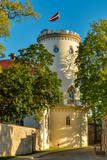 |
Cēsis is in the centre of the Gauja National Park, but it is not part of the park as such. There are many interesting places in Cēsis to visit and examine. The oldest part of the town is of key interest. The origins of Cēsis can be found at Riekstu hill, which is 18 metres high. Between the 11th and 13th century, there was a wooden castle here built by the Vendians. The hill is in the central part of the castle park, and it offers a good view of the park, pond and the ruins of the Cēsis castle, which can be accessed via a long cascade of stairs. The Cēsis castle (see below) was built in the early 13th century as a residence for masters of the Livonian Order, and it was one of the strongest fortresses in the Baltic territories. Alongside it is the New Cēsis castle, which was built in 1777 where the gate fortifications once stood. The Cēsis Museum of History and Art is in the building, alongside which is a visitors centre and the Cēsis Tourism Information Centre. From the tower of the castle, there is a fine view of the castle ruins, St John's Lutheran church and the northern part of the town. Opposite the New Cēsis castle are stables and a wheelhouse (both from the first half of the 19th century). The Cēsis Exhibition Hall is there today. You can look at the exteriors of the granary, the hut for coachmen, and the old brewery. On the other side of the street is the romantic Maija park, which was installed in the 1830s. The park is popular among parents with children, because there is a playground there. From this area, you can walk down some of the old streets of the town – Lielās Katrīnas, Mazās Katrīnas, Mazā Kalēju, Kalēju and Lielā Līvu streets, plus Līvu Square. The wooden buildings along the streets date back to the late 18th and early 19th century. Torņa Street, which weaves its way along the defensive walls of the Medieval castle, offers a look outside the church of a sculpture by Matiass Jansons, "As the Centuries Pass". Legend says that if you rub the lantern carred by the Old Man of Time, you can see the future. One of the most impressive buildings in Cēsis is St John's Lutheran Church, which was built in the late 13th century for the Livonian Order. It is a basilica built in the Roman style and with Gothic elements. The tower, which is 65 m high, was built in 1853. The building was reconstructed several times during the 20th century. Inside the building are grave epitaphs for masters of the Livonian Order and for bishops. The pulpit was installed in 1748, the oak altar followed in 1858, and the altar painting "The Crucified One" dates back to 1862. The stained glass windows around the altar are of great artistic value. The organ was built in 1907 by the E.F. Walker Company, and the instrument is one of the best concert organs in Latvia. A sun clock featuring the year 1744 is at the south-western corner of the church. It is worth climbing the church's tower. At the foot of the building is Rose Square, which began as a market square in the mid-19th century, remained in place until 1927, and was restored in 2008. This is the central square in the town today. During the Medieval Era, there were stockades here, along with the city's well. Rīgas Street has been the main street of the old town from the very beginning, and it is here that you will find the most architecturally outstanding buildings in town from the 18th and 19th centuries. They include the former Cēsis City Hall, the Fābers building, and the Princess building. At one end of the street is Līvu Square, where, during the 13th century, there was a church, a cemetery and a gate in the town walls. Today the square features a lighted fountain which is on the site of a 13th century well known as Lejas Šķimbēgs. At the other end of the street is a reconstruction of the foundations and surface elements of the Rauna gate that was a part of the town walls in the 14th and 15th centuries. The site offers a good idea about Medieval fortifications and the size and mightiness of gates therein. |
|
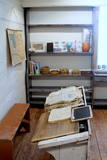 |
The space is on the second floor of the Jūrkalne library, featuring traditional objects from Jūrkalne and the Suiti people, as well as several looms where locals organise creative workshops. Contact the chamber in advance to arrange for a guide who will tell you all about the culture and traditions of the Suiti and present a film about them. |
|
 |
Mājas restorāns mājīgā, autentiskā lauku vidē, kur tiek pasniegti lauku ēdieni, uz galda celtas svaigas jūras veltes, kuras atceļojušas no Francijas, Spānijas vai Norvēģijas, kā arī vietējās, pašu saimnieku kūpinātas zivis. Ēdienkarte tiek radīta katru dienu no jauna, kas ikdienā ļauj piedāvāt svaigus produktus.
|
|
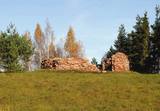 |
Swedish scanst (Kuce Hill, Jumprava Hill). Medieval fortification. The monument of national meaning
is located in the village Stari 450 m from Atspuki mill, 70 mto the Southeast from the ruins of Jumpravmuiža.
The territory is 0,7 – 1 m deep outside and 1 – 1,5 m high inside. The new road to the ruins of Jumpravmuiža
leads through the West side of the fortification.
|
|
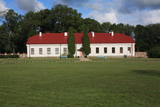 |
Atrodas Grāfu Plāteru parkā, blakus Krāslavas jaunajai pilij. Tas izvietojies vienā no 18. gs. celtajām muižas saimniecības ēkām. Muzeja ekspozīcija ir veidota interesantā veidā – 17 m garā laivā, kas (laiva ar pieciem airiem) ir pilsētas ģerbonis. Muzeja krājums iepazīstina ar Krāslavas novada vēsturi, sākot no akmens laikmeta līdz mūsdienām. Muzejā tiek organizētas Krāslavas mākslinieku izstādes. |
|
 6 days
|
This tour includes a walk along the Baltic Sea coast Lithuania through the Curonian Spit from Nida to Smiltynė (see a detailed description under tour No. 9) and continues further north from Klaipėda to Šventoji located at the Lithuanian/Latvian border. Klaipėda and Palanga are popular seaside resorts with lots of pubs, hotels, street cafés and musicians. Klaipėda is the only port city and the third largest city in Lithuania. Šventoji is also a popular seaside town located next to the mouth of the river Šventoji. Between Klaipėda and Palanga, the Baltic Coastal Hiking Route leads through the Seaside Regional Park (Lithuanian: Pajūrio regioninis parkas). It was founded for the protection of coastal and marine landscapes, biodiversity and local cultural heritage. The most famous place of the seaside is the Dutch Hat (also called Dutch Cap, Dutchman’s Cap or Holland’s Cap) – a 20 m high cliff, which used to serve as a landmark and guide for seafarers and fishermen. |
|
 |
Professional pharmacist producing herbal teas and popularising the medical properties of plants. Tasting of herbal teas and teaching which plants suit each individual person. Knowledge of the plants here is well combined with various healing rituals.
|
|
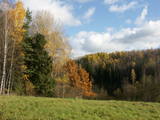 |
The Krustkalni Nature Reserve was established in 1977, and the diversity of plants in the region is based both on the terrain – the Madona-Trepe embankment, a series of hillocks with low areas among them, swamps and small lakes – and on the biotope – natural meadows, forest glades, places where underground streams bubble up to the surface, and vast areas of forest with very old stands of trees. Some 800 types of plants have been defined in the reserve. It can be toured only in the company of a guide from reserve headquarters, and one must apply in advance. Visitors can visit the Krāku streams, Lake Svēte-Dreimaņi, and other sites. |
|
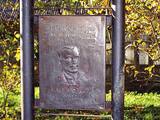 |
The Museum of Dekšāri was opened in 1996. Exposition includes
materials about the history of the rural municipality, school and collective
farms, biography of prominent people who contributed to the area, also the collection of Latgalian
literature.
Working hours: Mon– Fri : 10.00 – 14.00, Sat., Sunday : closed |
|
 |
Innovative and delicious hemp and buckwheat products - tasty and good for the digestive system. |
|
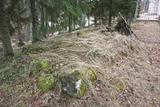 |
A place fraught with many legends and ghost stories about the old burial mound at the church of Mazirbe, an ancient tomb covered by stones– the only known grave of warewolves in Latvia. |
|


