
| No | Name | Description |
|---|---|---|
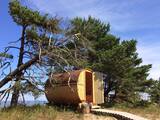 |
Happiness House (Laimes maja) is a recreation place situated in a very beautiful place on the seashore – on Cape Kolka. Here you will have a chance to relax, watch sunrises and sunsets, enjoy the sea, quiteness and peace. |
|
 |
Iespēja iepazīties ar mājas vīna gatavošanas procesu, un kopā ar Krimuldas muižas vīndari izzināt mājas vīna gatavošanas noslēpumus un degustēt vīnu, kas pagatavots no dažādām ogām. Vīna īstā garša vislabāk atklājas, klausoties stāstus par muižas dzīvi! |
|
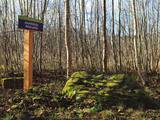 |
Jaunstašuļi Devil's Footstone is situated in the village of Jaunstašuļi in overgrown place beside the
derelict houses. It is hard to find it without the guide. The boulder is 0,75 m high and its circuit is 5,85 m.
On the surface there is the human foot: the length 0,3 m, width 0,09 m, depth 0,02. There was another foot.
It’s obviously scaled off. The North side of the boulder has three casted steps.
|
|
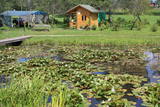 |
On the edge of the Bērzkrogs-Madona road in the centre of Vecpiebalga, you will find a pond full of various types of water lilies of different colours. The owner will tell you all about the popular folk song about water lilies from Vecpiebalga, offer plants for sale and offer practical advice. The pond also has carp which children can feed by hand while their parents are listening to the stories. |
|
 |
The farm produces dried pork blood sausage, and other meat products. You can take a tour and purchase the products. |
|
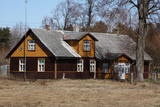 |
This set of buildings represents a homestead for a fisherman and a farmer. The house was built in 1926, and the ancillary buildings all date back to the first half of the 20th century. The homestead can be seen from the road. |
|
 |
Ķesteri – the home where the Liv cultural activist and organist Kārlis Stalte
(1870-1947) was born.
|
|
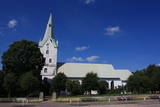 |
Atrodas pilsētas centrā - Tirgus laukuma malā. Dievnams tapis 1495. g., pēc Livonijas ordeņa mestra Valtera fon Pletenberga (~ 1450. – 1535.) pavēles. Gadsimtiem ritot, ēka pārbūvēta un tagad redzamais tornis celts 1907. g. Baznīcā apskatāmi nozīmīgi kultūrvēstures pieminekļi: altārglezna “Golgāta” - H. Kīperta darināta kopija (pēc K. Arnoldi Kandavas luterāņu baznīcas oriģināla (1864. g.)), muižniekam Fīlipam Drahenfelsam veltīta epitāfija (B. Bodekers, 16. un 17. gs. mija), A. D. Tīzenhauzenas kapu plāksne (1648. g.), kristāmtrauka pamatne (18. gs.) un piemiņas plāksne 1. pasaules karā un Latvijas Brīvības cīņās kritušajiem draudzes locekļiem (1925. g.). Ap Tirgus laukumu (atjaunots, jauka strūklaka) izvietojies Dobeles vēsturiskais centrs. |
|
 |
A place in the centre of Tartu where one can enjoy small and light fish & chips style meals made from the products of Lake Peipus. The small shop combines Peipus' area dining experiences with modern cuisine, using only the best local products. Very popular choices are fish & chips made from pike perch fillet, juicy burgers, as well as wraps. |
|
 |
A restricted area with a set of artificial ponds to the South-west of Saldus. The ponds attract many different kinds of birds during nesting and migration season. The location has not been improved for tourist purposes, but it is still an interesting place for some bird-watching. The forests around the ponds are also home to many protected birds and species of bat. |
|
 |
The café is in the centre of Ludza with a lovely view of local churches and a castle hill. Lettigalian foods made of various ingredients are offered. |
|
 |
The bakery offers baked goods made of natural ingredients. It also offers salads, pizzas, cakes, ice cream and other treats. |
|
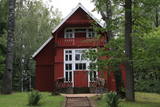 |
This is a homestead that is three km from the centre of Vecpiebalga and is in a lovely place – the Incēni hill. There is a museum here featuring the author of the legendary fairy tale “Pussy’s Mill” by Kārlis Skalbe (1879-1945). The poet and prose writer built the building in 1926 and spent summers there from that year until 1944. The museum was opened in 1987. The western slope of Vaktskalns hill right alongside the museum offers a lovely view of Lake Alauksts. The cremated remains of Skalbe and his wife, Lizete, were reinterred at the location in 1992 from Sweden, where the poet died. There is a unique monument to them in the form of a stone boat. |
|
 |
In Kännu Alpaca Farm you can see Peruvian alpacas, mammals with beautiful, soft coat which they are known for. While in this farm you can feed alpacas with food provided by the owners and pet them. You can also see goats, sheeps, rabbits and chickens. In the farm shop you can buy souvenirs and also products that are made of alpaca wool. Kännu Alpaca Farm is also suitable for family visits. |
|
 |
Saimniecība atrodas Kokneses novada Bilstiņos. SIA "Rīta putni" nodarbojas ar paipalu olu un gaļas delikatešu ražošanu. Reģistrēti divi zīmoli "Olalā" - paipalu olas un to produkti un "Bučers"- paipalu gaļas produkti. Saimniecībā ir veikals "BĀRS un BODE", kurā iegādāties svaigākos produktus un pavadīt mirkli ar saimniekiem un laiku ar draugiem, kā arī nogaršot paipalu olu omleti vai grilētu paipalu gaļu. Saimnieki rīko dažādas interesantas degustācijas. Ir arī dārzs ar eksotiskiem augiem un stikla siltumnīcu. Siltumnīca ir pieejama rezervācija nelielām svinībām, fotosesijai vai meistarklasēm. |
|
 |
This is another important territory for the protection of reefs, is also opposite the Salacgrīva Administrative District, and covers 7,239 hectares.
|
|
 1 day
|
The Daugava is the largest river in Latvia and the river of destiny for the Latvian people. Since the end of the Ice Age, plants and animals travelled into what is now Latvia along the Daugava River valley, followed then by humans. The shores of the river have some of the oldest settlements in Latvia, as well as a true wealth of different kinds of plants. The density of outstanding cultural and historical monuments is why tourists love the shores of the river. The Rīga-Daugavpils rail line offers comfortable travel between Rīga and Jēkabpils. Below, find other train stations where it is worth disembarking to take circular hikes that last for a few hours or half a day before returning to the station. Route information from Latvijas Lauku forums |
|
 |
Restaurant Ankur is a cosy place where home-made dishes are served, mostly from local products. Peipus Lake fish are of special value. There is also a hotel in the same building. |
|
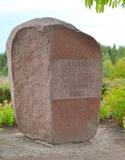 |
The stone is in the small village of Vasiļova, which is along the Daugavpils-Rēzekne (A13) road. The Vasiļova Semi-Estate used to be leased by the father of the great Latvian playwright Rainis, Krišjānis Pliekšāns. |
|
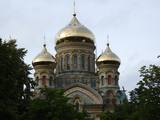 |
This church was built between 1900 and 1903 in the Byzantine style, and was meant for the local military garrison. The church, which was built to honour St Nicholas, patron saint of all seamen, and it was consecrated in the presence of Tsar Nicholas II. The ornate building was sacked by the Germans during World War I. During Latvia’s period of independence, the cathedral was used by the local military garrison. The Soviet military, in turn, turned into a sports hall, a cinema for sailors, and a warehouse. There are stories to say that Soviet soldiers broke off bits of the golden mosaic of the icons in the church. The building has now been returned to an Orthodox congregation. The builders of the cathedral used a unique way of pouring cement, which is why there are no supporting columns in the church. Instead, its weight is bolstered by its walls, with four arched vaults supporting them. It is the tallest Orthodox cathedral in Latvia at this time.
|
|


