
| No | Name | Description |
|---|---|---|
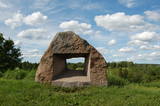 |
The open-air museum was proposed in 1992 by the sculptor Ojārs Arvīds Feldbergs, and it is located on the banks of the Ancient Abava River valley and on land that was once part of the Firkspedvāle and Briņķpedvāle estates. The park features contemporary art, and the museum also organises symposiums, creative workshops and other events. |
|
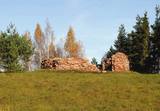 |
Swedish scanst (Kuce Hill, Jumprava Hill). Medieval fortification. The monument of national meaning
is located in the village Stari 450 m from Atspuki mill, 70 mto the Southeast from the ruins of Jumpravmuiža.
The territory is 0,7 – 1 m deep outside and 1 – 1,5 m high inside. The new road to the ruins of Jumpravmuiža
leads through the West side of the fortification.
|
|
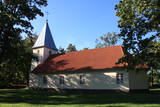 |
according to legend, was washed into the sea because of collapsing shores along with other buildings and the old road. The church was built in 1862 and has an altar painting from the late 19th century, "Mother of God," along with an organ. The metal elements of the building's doors are interesting. Hanging from the ceiling of the church is a sailing ship that has to do with the rescue of the crew of the sunken ship. |
|
 |
Alūksnes novada saimniecībā "Pauguri" kokamatnieks Jānis Vīksne izgatavo koka virpojumus - cibiņas, pulksteņus, pildspalvas, spēles, šūpoles un citas saimniecībā noderīgas lietas. Iespējams iegādāties kokamatniecības suvenīrus - dekoratīvus un praktiskus virpojumus no koka. Senlietu muzeja apskate - seni galdniecības darba galdi, ēveles, āmuri, sirpji, grābekļi, sējmašīna, pulksteņi, trauki u.c. Saimniecībā ir izveidota skatu platforma, no kuras paveras skats uz Hānjas augstienes ainavām Igaunijā, kā arī atpūtas vieta vasaras piknikam ar galdu, uguskura vietu un skulptūrām. |
|
 |
This is an ecological and biodynamic medicinal plant farm that is run by two sisters who produce herbal teas and spices. Educational programmes offer information about the plants and their medicinal properties. You can lease bikes to ride down the bike paths of the Žemaitija National Park. |
|
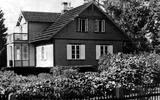 |
Reinis Kaudzīte, co-author of the first Latvian novel “Times of the Land-Surveyors” (“Mērnieku laiki”) stayed in Pēterupe Village from 1913. |
|
 |
Уютное кафе в центре Тукумса. Время работы: пн. – сб. с 10:00 до 18:00; вс.- закрыто. |
|
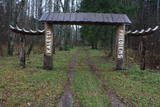 |
Kalētu muižas bijušais medību dārzs. Muižas laikos šeit ierobežotās platībās turēja meža dzīvniekus, kuru medības bija populārs muižniecības izklaides veids. Parkā uzmeklējams piemiņas akmens Krievijas imperatoram Aleksandram III, kurš šeit nošāvis briedi (irsi). No Kalētiem Latvijas teritorijā „ienāca” staltbrieži, kurus medību vajadzībām 1848. g. atveda no Vācijas. Parkā izveidotas takas un atpūtas vietas. |
|
 |
Café Pärnamäed is located near the highway Via Baltica 10 km from Pärnu, in the direction to Riga; it specialises in baking pastries, white bread and rye bread without preservatives, and also offers products from various small manufacturers. In the café you can also enjoy soups, main courses and desserts. |
|
 |
Sēlijā, pie Slates sila, atrodas "Kalnaleiskini". Saimnieks Mārtiņš Uzkurs ir galdnieks, bet sieva Lelde - dizainere abu kopējā galdniecības uzņēmumā un Latvijas Ornitoloģijas biedrības biedre ar pieredzi ekskursiju vadīšanā. |
|
 |
Netālu no augstākā Latgales augstienes paugura – Lielā Liepukalna atrodas zemnieku saimniecība, kuras darbnīcā amatnieks Jānis Kuzminskis taisa mūsdienīgas ģitāras u.c. mūzikas instrumentus. Apmeklētāji var iepazīt Jāņa veidoto ekspozīciju, vērot amatnieka darbošanos, pasūtīt sev jaunu instrumentu, kā arī muzicēt pie bagātīgajā kolekcijā savāktajiem instrumentiem. Saimniece stāsta par Latgales kulinārā mantojuma ēdieniem un rāda, kā gatavo gulbešnīkus. |
|
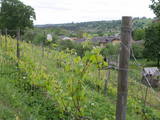 |
Already in the 10th century, an ancient village was located at the Sabile hill fort. After the division of Course land, Sabile was won by the Livonian Order, which built a stone castle (not preserved) here. Sabile is first time mentioned in written sources in 1253. During the 15th century an urban area started to develop at the castle. Town right was awarded to Sabile in 1917. Today Sabile is a small town, surrounded by many notable monuments. Roma culture is an integral part of Sabile and therefore, Sabile is also known as the Latvian capital city of Roma. Sabile has long been known for its wine-growing and oenological traditions, which have been reborn and enjoyable during the Sabile wine festival. |
|
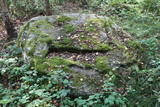 |
Near Mākoņkalns hill there is a trail that is mowed in the summer and leads to several historical rocks – Plakanais (Flat) rock, Āža muguras (Ram's Back) rock (on which you can clamber), and the Jaunstašuļi Velna pēdas (Devil's Footprint) rock, on the surface of which is a shape similar to a human footprint. There are signs along the side of the road leading to the trail. |
|
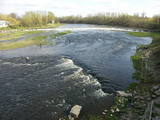 |
Above and below the town of Kuldīga, the Venta River is distinguished by a variety of biotopes – hillside forests, sandstone and dolomite cliffs, meadows, protected plants and animals, and diverse landscapes. There are popular tourism objects in this part of Kurzeme – the Venta dam, the stone bridge of Kuldīga, the Veckuldīga castle hill, etc. An ecological tourism trail runs along the banks of the Venta, and a bicycling trail has been installed on its left bank. |
|
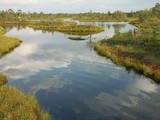 |
The Ķemeri National Park was established in 1997 and mostly involves wetlands – the shallow shores of the Bay of Rīga, an overgrown seaside lake, vast swamps, damp forests and fens, and flood-land meadows. The park is enormously important for protecting plants (25% of those recorded in Latvia’s Red Book are found in the park) and animals, particularly nesting and migrating birds. The Great Ķemeri Bog is one of the largest swamps in Latvia, and there are other swamps, as well – the Zaļais swamp and the Raganu swamp. The massive swamps are important, too, in the flow of sulphuric waters and medicinal mud. The once-famous Ķemeri Spa was based on the availability of these resources. Most of the cultural and historical objects in the Ķemeri National Park relate to the seashore as a place for leisure and recuperation. Educational nature trails, bicycle trails, hiking trails, bird-watching towers and other facilities are available. The visitors centre is at the recently renovated “Forest House” in Ķemeri. |
|
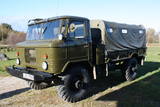 |
Edgars Kārklevalks, operator of a guesthouse Pūpoli, has a restored Soviet military GAZ-66 truck in which he offers historical and informational tours of Northern Kurzeme. The route includes former military territories.
|
|
 |
Pie ceļa, kas no Bernātu ciema centra ved uz jūru, redzamas augstas ar mežu apaugušas kāpas. Uz vienas kāpas (ir norāde) novietots piemiņas akmens ar pirmā Latvijas Valsts prezidenta Jāņa Čakstes 1924. g. teiktiem vārdiem: “Te jābūt kūrortam.” Atrodas Bernātu dabas parkā. |
|
 |
Kauņas jūras reģionālais parks (Kauno marių regioninis parkas) dibināts 1992. gadā. Tas ietver Nemunas HES uzpludināto posmu – lielāko Lietuvas ūdenskrātuvi no Kauņas līdz Piļonas (Piliuona) ciemam. Viena no nozīmīgākajām parka vērtībām ir ainava, kas veidojusies ilgā cilvēka un dabas mijiedarbībā. Parkā konstatētas 950 augu sugas, 600 dzīvnieku, t.sk. - 34 zivju sugas. Parka nozīmīgas dabas vērtības ir meži, augstie purvi, kadiķu audze. Parkā ir apskatāmi dažādu vēsturisko periodu liecinieki – senču pilskalni, Pažaislis klosteris, Kauņas cietokšņa Piektais forts, kā arī Rumšišķes (Rumšiškės) brīvdabas muzejs – viens no lielākajiem (195 ha) šāda veida muzejiem Eiropā. Vaišvīdavā (Vaišvydava) ir izveidots parka apmeklētāju centrs, parkā ir dabas takas, piemēram, Žiegždriai ģeoloģiskā taka un Dubravos izziņas taka. |
|
 |
GiLine ir ģimenes uzņēmums, kurš ražo konfektes Konfelāde un sīrupus. Konfelāde ir sulas konfektes, kas ražotas no Latvijā iegūtām augļu un ogu 100 % sulām, neizmantojot konservantus un garšas pastiprinātājus. Ražošanas procesā tiek izmantots roku darbs. Arī sīrupā izmantotas tikai dabīgas izejvielas. Piedāvā radošās ekskursijas ražotnē. |
|
 |
A small bakery that Jānis Kurpnieks, a baker with more than 20 years of experience, has set up in his father's home. More than 12 types of bread from cereals grown in Latvia. The greatest pride of the bakery is its wholemeal rye bread and sweet and sour bread, neither of which contains wheat flour. Rye bread is baked in large loaves weighing 8-9 kg and reaching up to half a metre in length. With such a loaf, the flavour “bouquet” is stronger and the shelf life – longer. Only natural ingredients and home-made sourdough, taken from the dough scraper (the dough of the previous baking), are used here for baking bread. The dough is fermented in oak tubs and the bread is baked in a proper bread oven, which is fired with softwood. |
|


