
| No | Name | Description |
|---|---|---|
 |
A family-owned company that makes culinary and confectionery products in Jaunannas Parish, Alūksne Municipality. Delicious meat roulettes and rolls, prepared using Grandmother's recipes, and other meat products in a wide assortment, as well as special "Gustiņa" confectionery products can be purchased in Alūksne - taste store "Gustiņš". In the café “Gustiņš” you can enjoy a delicious and rich homemade meal, and taste the special dishes characteristic to the locals of Alūksne – malēnieši (booking in advance). |
|
 |
Atrodas Sedas purvā (Sedas dabas takas malā) ar plašu skatu uz izstrādātajām kūdras platībām. Sedas taku ieteicams izstaigāt vietējā gida pavadībā T: + 371 2636162. |
|
 |
The landlady of this farm will tell you about healthy herbal teas and home-based goodies. If you wish to spend the night under the stars, we offer a place for tents and a campfire on the banks of local river by the old Lūkas windmill. “Aploki” will welcome anyone who wants to relax in a peaceful and quiet atmosphere. |
|
 |
Saimniecībā, kura atrodas pašā Sēlijas novada centrā, aug un zied vairāk nekā 400 dažādu rožu šķirnes, kā arī siltumnīcās tiek audzēti dažādi dārzeņu un puķu stādi. Iegādei tiek piedāvāti dažādi viengadīgie augi, vairāki simti rožu stādi un ēdamaugu stādi siltumnīcai un dārzam. |
|
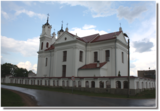 |
The Dviete Catholic Church is in the centre of the small village of Dviete. The white church can be seen from a distance. The first wooden church was built here in 1775 by the owner of the local estate, Count J.K. Wischling. Later the church was dismantled and brought the Zarinki cemetery. The Neo-Baroque Catholic church that is seen today has two towers, and its construction was financed by Count Kazimir Plater-Sieberg. The church was destroyed during World War I, and until it was rebuilt and consecrated, the granary of the Dviete Estate magazine, with its ridged roof, was used as a prayer house. It is on the side of the Dviete-Bebrene road and has recently been restored. In 1940, a stone fence was installed around the church with a tiled roof, and a building for the congregation was built in the 1970s. The church features a particularly ornate sacral Baroque interior, which is seen as the most ornate interior of its type in the former Daugavpils District. |
|
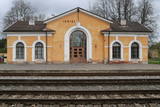 |
Ramocku stacija atklāta 1889. gadā reizē ar dzelzceļa Pleskava-Rīga atklāšanu. 1916.gadā pēc jauna dzelzceļa izbūves līdz Gulbenei, šīs stacijas nozīme ievērojami pieauga. 1918.gadā tā kļuva par divu dažādu sliežu platumu dzelzceļa iecirkņu saskares staciju. Intensīva vilcienu kustība caur šo staciju tika izvērsta Brīvības cīņu laikā. Sadursmes pie Ieriķu stacijas notika jau 1918.gada decembrī. 1919.gadā jūnijā te sākās Cēsu kaujas. Starp Cēsīm un Ieriķiem vācieši uzbruka igauņu bruņuvilcienam. Par dažādiem nopelniem Brīvības cīņu laikā Ieriķu apkaimē, vairāki karavīri saņēma apbalvojumus, arī Lācplēša kara ordeņus.1919. gadā stacija nodēvēta par Ieriķiem. Otrā pasaules kara laikā te atradās lokomotīvju depo.1953.gadā depo vietā izveidoja stratēģiskās rezerves tvaika lokomotīvju bāzi. Pēdējā tvaika lokomotīve L-3599 Ieriķu bāzi pameta 2002.gadā un tagad ir redzama kinopilsētā Cinevilla.Ieriķu stacija vairākkārt pārbūvēta.Otrā pasaules kara laikā nodedzināta pavisam. 1956.gadā uzbūvē pašreizējo ēku. |
|
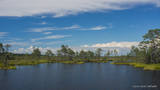 |
Durch das höchste Dünen-Massiv Estlands und den Moor führt der Lehr-Wanderweg. Blick vom Aussichtsturm bis auf die Insel Kihnu. |
|
 3 days
|
На маршруте сможете узнать особую культурную среду Латгалии, людей, которые ее создают, порадоваться красивым ландшафтам, пройтись по природным тропам и искупаться в каком-нибудь из прославленнных озер Латгалии. В Ливаны узнаете о работе стеклодува, в Даугавпилсе побываете в крепосте 19-го века, где теперь расположен центр всемирно известного художника Марка Ротко. Дорога будет виться по живописным излучинам Даугавы. Информация о маршруте от Latvijas Lauku forums |
|
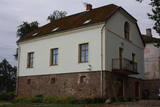 |
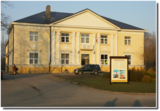
Krogus un Brengūža ezeru un Drustu parka ieskāvumā samērā plašā teritorijā „izmētātas” Drustu muižas ēkas. Muižas kungu māja celta 1787. g. Līdz mūsdienām dažādā stāvoklī ir saglabājusies pārvaldnieka māja (19. gs.), klēts (ar kolonnām), krejotava, brūzis, smēde, magazīna, sķūņi u.c. ēkas. Muižas Kavalieru namā ierīkots viesu nams. Interesanti, kāda izskatītos Latvijas lauku ainava, ja tajā šodien nebūtu saglabājušās muižu kompleksi, kas tiek izmantoti vēl joprojām? |
|
 |
Although out of 104 village houses 97 were destroyed during World War I, at the end of the 30ies of the 20th century Lapmezciems "recovered" fast, and one of the most powerful coastal fishermen cooperatives in Latvia were operating in it. During the Soviet times here one of the largest fishery collective farms – "Selga" was founded here, the blocks of which can be seen at the mouth of the Siliņupe River. Today Lapmezciems is a popular area for summer cottages, a recreation and bathing place. As an interesting history monument of fishery the sedum of Lapmezciems is available for viewing – it is the former wharf of fishing boats, where fishermen built nest cabins and stored their equipment. Between Pīlādži Street and the left bank of the Siliņupe River in the 3rd and 2nd millennium BC settlement of fishermen and hunters were located, where a memorial stone is erected. This is the most ancient known location populated by humans within the territory of Kemeri National Park. Part of the findings is displayed at Lapmezciems museum, where local history research exposition is formed and materials about Finnish Jeager fights within the territory of Klapkalnciems are gathered. |
|
 |
Saimniecība "Baltiņi" atrodas Auces novadā un nodarbojas ar lopkopību un lauksaimniecību. Viesiem ir iespēja redzēt un izzināt piena ražošanas procesu, kā arī iepazīt saimniecības dzīvniekus. Saimnieki piedāvā apskatīt padomju laiku auto kolekciju, pieejama arī suvenīru un trauku kolekcija ar govs motīviem. |
|
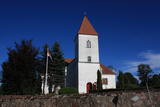 |
Built around 1625. For several centuries it was the main worship place for the Suiti community, supporting the community's spirituality and identity. In 1882 the church was expanded into the form of a cross that is seen today. Inside the church you can see work done by the Dutch wood carver Johann Mertens around 1715. The organ was built by F. Weisenborn in Jēkabpils in 1893, and the altar painting dates back to 1910. The bricked graveyard of the Schwerin dynasty is under the church. Contact it in advance if you wish to see its interior. |
|
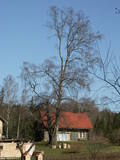 |
This is the thickest birch (Betula pendula) tree in Latvia and can be seen from the Klapkalnciems-Milzkalne road.
|
|
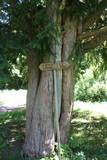 |
This is the thickest and tallest common ivy in Latvia. It is in the park of the Zentene Estate, opposite the mansion (which is now a school).
|
|
 5 days
|
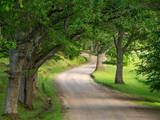
Ancient trade routes distributed not just products, but also knowledge, culture and everything that was new and unknown. Pastor Ernest Glück, for instance, may have already started work on a translation of the Bible into Latvian when he travelled from the Daugavgrīva fortress near Rīga to Alūksne. There he finished his masterpiece and planted two oak trees alongside the manse that are still there. Glück also established the first school in Vidzeme for Latvian children. He was a pastor, translator, author and teacher. Thanks to him, the Hernhutian movement of brethren flourished in Vidzeme after the Great Northern War. It directed spiritual and political development and brought Latvians closer to their national awakening. Of great importance in the Path of Light is Piebalga, which became very important in terms of culture in Latvia. Culture, science and even politics took on new meaning and sounds. This is where Kārlis Skalbe, the Kaudzītes brothers, Jānis Poruks, Antons Austriņš and other major figures from the national awakening lived and worked. The very spiritual aura in this place has not disappeared to this very day. The fantastic Cesvaine castle has been renovated, and the narrow-gauge railroad between Gulbene and Alūksne is still rolling alone. The ruins of the Marienburg castle in Alūksne conjure up visions of the hidden wealth of the Order of Templates and the young woman who was bricked into the castle’s walls. No less intriguing is the story of Marta Skovronsky, who would rise to become Empress Catherine the Great of Russia. The Madona Regional Research and Art Museum offers a look at the past and present, while the Ate windmill at Kancempji offers a look at more than 4,000 unique items from the history of our countryside, complete with buildings that are more than 100 years old. |
|
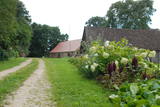 |
The Pilkalne Estate is in a remote location on the border of Latvia and Lithuania, 5 km to the Southwest of Nereta. Lovers of history certain must visit this estate. Why? One reason is that the grain kiln of the estate, which is gradually being restored, and the grain drying stove, a few wooden parts of which have been preserved, are unique in Latvia. The stable and servants’ home have also survived and are populated today. The buildings were built in the 18th century. The owner can tell you stories about interesting aspects of this location’s history. |
|
 |
A third-generation family company, producing “Gotiņa” sweets since 1959. Located in the centre of Skrīveri, a 2-minute walk away from the train station. Company has a Sweets Workshop where visitors can take a tour, wrap their own candies, learn about their history, taste the products, and purchase natural and fresh sweets. For “Gotiņa” sweets with rye bread and cranberries, they use heated rye breadcrumbs from the Lāči bakery. Fresh and delicious sweets can be purchased in the factory shop.There are four different tour programmes in all. |
|
 |
Meklējams Zirgu salas dienviddaļā – uz t.s. Golodova dambja. Tornis pieejams kājāmgājējiem un velobraucējiem. Automašīna jāatstāj pie Ezermalas ielas. No torņa redzams plašs skats uz daļēji aizaugušo Liepājas ezera ziemeļdaļu. Laba putnu vērošanas vieta. Ietilpst Liepājas ezera dabas lieguma teritorijā. |
|
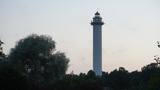 |
(formerly Pize and Pizā in Livonian). The current name of the village comes from a lighthouse (Mihailovskii majak) that was built during the age of the Russian Empire and named for the nephew of Tsar Alexander II. The lighthouse that is there now is the third one to be built on the site. It was built in 1957 and is the highest lighthouse in Latvia (57 m, can only be viewed from the outside). The Lutheran church in Mikeļtornis was built in 1893, and nearby is the Pize Saloon (1857), which is terrible condition. The saloon has a typical design from the 19th century and is the only venue of its type on the Livonian coastline. The first Livonian cultural activist, Jānis Princis (1796-1868), was born in Miķeļtornis, and he and son Jānis translated the Gospel of Matthew into the Western Livonian language. The two of them also wrote a collection of poetry, "Holy Songs and Prayers for Sailors." The only poetry book in Latvia prior to that was published by Blind Indriķis. A student of Vilhelms Purvītis, Livonian painter Andrejs Šulcs (1910-2006), was born at the Olmaņi homestead in Miķeļtornis. A monument to Livonian poets was installed at the local cemetery in 1978 and was the first monument dedicated to Livonians. There are plans to open an environmental object by artist Ģirts Burvis, "Century of Sailing Ships", in 2019. |
|
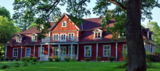 |
Muižas ēka tikusi restaurēta, taču tā celta 1732. gadā. Muižas kompleksu veido – kungu māja, bijušās skolas ēka, pārvaldnieka māja, klēts, saimniecības ēka, kā arī tējas namiņš, kas atrodas senajā ozolu parkā, no kura takas tālāk aizvijas uz Meža parku. Ungurmuižas iekštelpās ir grezni zīmējumi (grenadieri, ziedu motīvi, zīmētas tapetes, drapēri, ainas no barona karagājieniem un ceļojumiem) kuru autors ir Limbažu gleznotājs Georgs Dītrihs Hinšs. Ungurmuižā par seno auru rūpējas katrs gleznojums, zīmējums un katrs nostūris. |
|


