
| No | Name | Description |
|---|---|---|
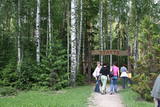 |
Dabas parkā izveidota Baltijā vienīgā Bišu taka, kurā apmeklētājs var iejusties bites ‘’lomā’’. Zinātkārie var ieģērbties bitenieka tērpā un novērot bišu dzīvi stropā vai kāpt kokā ar seno dravnieka ierīci – dzeini. Ekskursija, Bišu, Putnu, Meža, Sporta un Augu takas. |
|
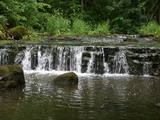 |
The ancient Abava River Valley between Kandava and the place where the river flows into the Venta River is the most expressive river valley segment in Kurzeme in terms of landscape and terrain. The valley is 30 to 40 metres deep and as much as 300 metres wide. The territory is distinguished by great diversity of a biological nature (more than 800 kinds of plants), featuring many different biotopes and natural monuments such as streams, waterfalls, cliffs, huge rocks, and many cultural and historical monumentssmall towns such as Kandava and Sabile. In both cases, the town centres are national monuments of urban construction. Popular tourist destinations include Vīnakalns hill in Sabile, where wine-making grapes are grown, as well as the open-air art museum at Pedvāle. To protect cultural treasures, a cultural and historical territory, “Abava River Valley” has been established. Wild livestock live at Drubazas and Tēvkalni to “maintain” the landscape. There are nature trails for tourists, and the Abava is the most popular river for water tourists in Kurzeme. Information is available at the tourist information centres in Kandava and Sabile. such as castle hills, churches, ancient burial grounds, and
|
|
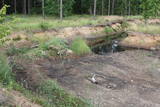 |
Nature restricted area has been established in old and overgrowing gravel pit and where rare species in Latvia - Natterjack toad (Bufo calamita) can be found. Natterjack toad needs open sand – gravel area therefore the population of it is decreasing once gravel pit is overgrowing by bushes. The population of this amphibian is depending on the activity of people in the area. There is very little chance to find Natterjack toad just by entering the restricted area, therefore please respect this area as especially sensitive.
|
|
 |
This homestead on the banks of the Rauna River breeds various kinds of fish. During the winter, you can fish for various salmon-type fish, and in the summer you can fish for sturgeon, blue-char, tilapia and trout. You can purchase fish, and tastings are available for groups of visitors. Sillakas is approximately 3 km from Liepasmuiža. |
|
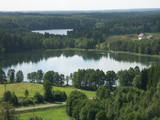 |
This territory is rich with forestland and lakes (some 285 in all). There are extensive opportunities for active recreation or calm leisure.
|
|
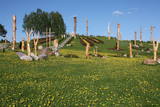 |
Atrodas nepilnus 2 km austrumos no Aglonas, Aglonas – Dagdas ceļa malā. Tā ieceres autors ir Ēriks Delpers, kurš 2006. g. uzsāka vietas labiekārtošanu, izveidojot brīvdabas skulptūru dārzu un stādījumus. Kristus Karaļa kalns šobrīd atrodas izveides procesā, taču neskatoties uz to – objekts, ko ir vērts redzēt! |
|
 |
This is a bakery that offers traditional Lithuanian sweets, including honey buns. You can learn all about how those are produced. |
|
 |
Atrodas dienvidos no Vienības nama. Skvērs veidots 19. gs. otrajā pusē. Tajā atrodas vairāki ievērības cienīgi objekti: strūklaka (20. gs. 20. gadi), latviešu tautas dzejnieka Andreja Pumpura krūšu tēls, piemiņas akmens Nevainīgajiem sarkanā terora upuriem un Sv. Aleksandra Ņevska pareizticīgo kapela. Vienības ielas otrā pusē paceļas iespaidīgā Daugavpils universitātes ēka ar Raiņa pieminekli un saules pulksteni priekšplānā. |
|
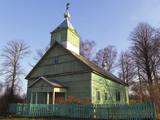 |
Guriliški Old-Believers Prayer House was built in the beginning
of the 20th century. It has a very old bell that was made in 1939.
|
|
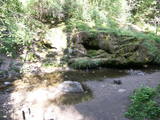 |
The Staburags cliff of Rauna has been Latvia’s most distinct travertine cliff since the great Staburags cliff of the Daugava River sank under the waves during the construction of a hydroelectric power plant nearby. The cliff is approximately 8,000 years old and is still being formed as lime settles on moss and other plants. The Staburags cliff of Rauna is cited as the only location in Latvia of the Alpine butterwort, but it has not been seen there for the last 15 years. That is probably because of the many people who tramp across the cliff each year. The streams which deliver lime to the cliff are a biotope that is of priority at the EU level.
|
|
 |
A café and bakery in Kuldīga that offers fresh, home-made pastries until the very evening. |
|
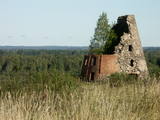 |
The area known as the territory of high hillocks has several heights – Lakta Hill (250 metres above sea level), Egļu Hill (268 metres above sea level), and Bākūži Hill (272 metres above sea level). They are connected by an earthen road – it’s worth hiking the trail to find the best viewing areas. A very fine view of the backs of hillocks in the Vidzeme highlands can be seen from the northern side of Lakta Hill.
|
|
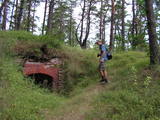 |
Forts were built and rebuilt at this location for many centuries by Germans, Swedes and Russians. In 1912, several forts were erected at Mangaļsala and Bolderāja. There were two forts with 254-mm cannons, six with 152-mm cannons, and three with 138-mm cannons. Each fort had two cannons.
|
|
 |
This is a segment of the shore of the Bay of Rīga that is around 40 km long and features the valleys of three major rivers – the Lielupe, Daugava and Gauja river. There are dune formations, biotopes, seashore meadows and forested seashore dunes which are an important recreational resource. |
|
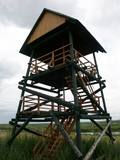 |
The tower is on the western shore of the lake, next to the dam and the Zvidze canal. From here you will see the overgrowth north-western part of the lake, Akmeņsala Island, and a wide area of open water. The third is on the southern shore of the lake, by the dam and the Īdeņa canal. Here you will find typical views of wetlands – areas of reeds, shrubbery, wet meadows and the overgrown lake. |
|
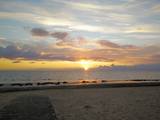 |
The largest town in the region dates back to the 19th century, when three local fishing villages – Neibāde, Pēterupe and Katrīnbāde – became a popular location for leisure and swimming. This led to the construction of many summer homes, and the development of the spa was facilitated by the opening of a rail line between Rīga and Saulkrasti in 1905. New spas and restaurants were opened, and the spa infrastructure was developed. During the summer there were various entertainments, including balls and concerts featuring orchestras from Rīga. Also facilitating the development of the spa was a road and railroad line between Rīga and Saulkrasti that were installed during the 1930s. During the Soviet occupation, leisure homes, sanatoriums and new summer homes were built in Saulkrasti, which was given the status of a city. Today Saulkrasti is attractive because of its white sand beach, as well as various annual events, the Saulriets trail, the White Dune, the unique bicycle museum, Sea Park, the “Centrs” swimming facility, Sun Square, etc. |
|
 |
Rehtšprehera siers top Siguldas novada Lēdurgas pagastā, zemnieku saimniecībā “Mazlauri”. Siera ražošanai saimniecībā pievērsās 2015. gadā, meklējot jaunu izaicinājumu un iespēju radīt produktus ar pievienoto vērtību. Siers tiek gatavots pēc itāļu receptēm un nogatavināts 2–12 mēnešus, ievērojot tradicionālās metodes – īpašā telpā, uz egles koka plauktiem, kontrolētā mitrumā un temperatūrā. SieriCietie sieri (nogatavināti 6-12 mēnešus): Grand Marine, Gouda 8 mēnešus gatavināts. Puscietie sieri (nogatavināti 2-4 mēnešus): Gouda (pieejams ar linsēklas eļļas pārklājumu vai ar speciālu siera pārklājumu), Tallegio (pieejams ar balzamiko etiķa pārklājumu vai speciālu siera pārklājumu), Toskāna, Sorento. Daži sieri ir pieejami arī ar piedevām, piemēram, melnajām ķimenēm, pipariem, tomātiem un baziliku, tomētiem, ķiplokiem un oregano. Daļai sieru ir ēdama miziņa. Uz vasaras saulgriežu laiku tiek gatavots arī kas līdzīgs Jāņu sieram – nogatavināts siers ar ķimenēm. Kā top siersSiers tiek gatavots no pašu saimniecības govju piena – kopumā saimniecībā ir 90 slaucamas Holšteinas melnraibās šķirnes govis. Rehtšprehera siers top no tikko slaukta, nepasterizēta govs piena, kas tūlīt pēc slaukšanas tiek nodots pārstrādei. Tas ļauj saglabāt piena dabisko garšu un raksturu. ApmeklētājiemSaimniecības apmeklētājiem iespējams redzēt un dzirdēt patiesu stāstu par to, kā rodas piens un siers - kā uztur piena lopu ganāmpulku, kā audzē pilnvērtīgu, uzturvielām bagātu barību, ko nozīmē govju labturība, lai iegūtu ekstra klases pienu, un kāda ir praktiskā puse, dzīvojot un saimniekojot laukos. Noslēgumā ieskats siera ražošanā un siera degustācija. Kur iegādāties sierusE-veikalā: www.rsiers.lv. Veikalos Rīgā, Cēsīs un Siguldā. Sestdienās - Skultes tirdziņā, Slow Food Straupe tirdziņā un dažādos tirgos visā Latvijā. |
|
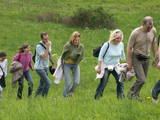 |
Dabas liegumā "Pilskalnes Siguldiņa" ir izveidota dabas taka - kājinieku tūrisma maršruts – t.s. Augšzemes ainavu taka, kas sākas Pilskalnē un beidzas pie Driģeņu mājām. Tā izlīkumo ezeru krastus, šķērso purvu (laipas). Apmeklētājiem, t.sk. arī bērniem, izveidotas arī īsākas - lokālas takas. Pieejami dažādu taku garumi: 1,6 km, 3,8 km, 8 km. |
|
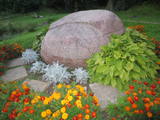 |
Located in the south-eastern part of Piedruja and on the banks of the Daugava River, the rock can be accessed via the local path or a local land road. The rock was sculpted by Vilnis Titāns, who engraved the name of the Daugava River in seven languages – Latvian, Livonian, Estonian, Polish, Russian, German and Finnish. Opposite the rock is Druja, which is in Belarus, as well as a large island that splits the river in two. A temporary permit is needed to visit Piedruja. |
|
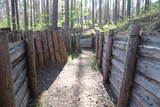 |
Ar Kara muzeja informatīvo atbalstu Garā kāpā pie Antiņiem ir rekonstruēta daļa latviešu strēlnieku nocietinājumu sistēmas. Aspkatāmas ierakumu pozīcijas un vairākas zemnīcas. Netālu atrodas bijusī un no dzelzsbetona veidotā medikamentu glabātuve. |
|


