
| No | Name | Description |
|---|---|---|
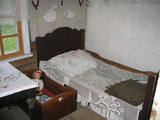 |
The main building of the museum features an early 19th C. threshing barn with a dirt floor, the living quarters were added in the late 19th C. The museum also exhibits a smoke sauna, summer kitchen, granary, cellar, coach house and a dining house (formerly a cattle shed). All buildings have a display of tools and everyday commodities, traditional farm food can be booked in advance and handicraft workshops are available. |
|
 1 day
|
Route meanders between a rocky seacoast richly overgrown with reeds and other grasses on one side and wooded seaside dunes on the other side. In some places, the beach is paved with small round stones, in other places you can see grey dunes with a rich variety of plants. Near Bērzciems village, there are large coastal meadows with shoals appearing far away in the sea that are suited for birdwatching. During this route, it is possible to visit the fishermen’s homestead “Dieniņas”, where you can buy local smoked fish. Also it is worth to see Engure port and Engure Evangelical Lutheran Church. |
|
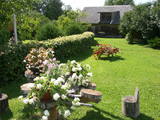 |
The farm produces dairy products and strawberries. You can learn to bake rye bread, make cheese and ice cream, and look at sheep, goats, pigs, calves, cows, horses, chickens, rabbits, guinea pigs, etc. If you like, you can help with the farm work and taste and purchase the products. |
|
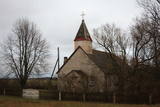 |
Nelielā izmēra ēka (balts ķieģeļu mūris, ar dēļiem apšūts zems tornis) atrodas Liepājas – Klaipēdas šosejas (A 11) malā. 20. gadsimta sākumā tā kalpojusi kā lūgšanu nams, taču tā paša gadsimta vidū pārbūvēta, uzceļot torni. |
|
 |
The Alejas bakery and guest house is located 0.5 km from the centre of Rucava. The bread here is made with natural sourdough and baked in a wood oven. Various types of rye bread (ordinary rye bread, sweet and sour rye bread with or without other ingredients, rye bread with fruit, etc.), rye bread and garlic croutons, and various types of white bread. By prior arrangement it is possible to buy bread to take home. |
|
 |
Smarde is an ancient place, mentioned in the 13th century documents. Today it is a small village with railway station and shops. Northeast of Smārde - former peat extraction places are located in Smārde marsh. During World War I the front line was near Smārde, the vicinity of which is witnessed by the memorial sites. |
|
 |
This garden on the banks of the Bērze River is known as a rock fairy tale and a miraculous garden. The garden has rocks of various forms and sizes, including milling stones, distance markers and border posts related to parishes. The exhibition is supplemented by decorative plants and compositions of plants that are the responsibility of the lady of the house. |
|
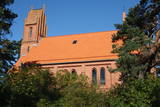 |
Ein im gotischen Stil gebautes Gotteshaus wurde 1888 eingeweiht. Daneben befindet sich ein etnografischer Friedhoff aus dem 19 – 20 Jh. mit ungewöhnlichen Grabkreuzen aus Holz. In den Formen der Kreuze sind die Motiven von Pflanzen, Vögeln, Tieren zu sehen. |
|
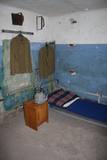 |
Viens no parka neparastākajiem vēstures objektiem, kas apvīts ar daudzām leģendām un noslēpumiem, par kuriem vēl joprojām nelabprāt izsakās ar to saistītie cilvēki. Zināms, ka bāzi laikā no 1960. – 1962. g. ļoti stingrā slepenībā cēla ~ 10 000 kareivji no citām padomju republikām. Pazemes ejas bija būvētas tā, lai pa tām varētu pārvietoties tikai maza auguma cilvēki. Zem zemes atradās 4 šahtas, no kurām varēja palaist vidējā rādiusa ballistiskās raķetes R – 12 U ar kodolgalviņām. Blakus atradās apkalpojošā personāla telpas, elektrības ģenerators, sakaru centrs u.c. Līdz 2010. g. bāzi varēja apskatīt vietējā gida pavadībā. Tagad to rekonstruē un 2012. g. plāno atklāt Aukstā kara muzeju. Bāze atrodas austrumos no Plateļu ezera, liela meža masīva vidū. |
|
 |
Pie ceļa, kas no Bernātu ciema centra ved uz jūru, redzamas augstas ar mežu apaugušas kāpas. Uz vienas kāpas (ir norāde) novietots piemiņas akmens ar pirmā Latvijas Valsts prezidenta Jāņa Čakstes 1924. g. teiktiem vārdiem: “Te jābūt kūrortam.” Atrodas Bernātu dabas parkā. |
|
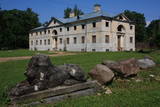 |
Muiža sāka veidoties 16. gs. beigās (īpašnieki - Tīzenhauzeni, vēlāk Bēri), bet no 1753. g. tā kļūst par Mēdemu dzimtas īpašumu. Tagad redzamo muižas pili (mūsdienās tikai atliekas) cēla 1806. - 1810. g. klasicisma stilā (Johana Georga Ādama Berlica projekts) pēc itāļu izcelsmes Pēterburgas galma arhitekta Džakomo Kvarengi meta. Muižas īpašnieks tajā laikā bija Johana Frīdriha Mēdema dēls - Kristofs Johans Frīdrihs (saukts par Žanno). Elejas pilī bija savākti daudzi nozīmīgi Eiropas mākslinieku darbi, kā arī iekārtots izcils interjers. 18 muižas kompleksa ēkas nodedzināja Pirmā pasaules kara laikā (1915. g.) un līdz mūsdienām ir saglabājušies tikai nelieli pils pirmā stāva drupu fragmenti ar kaltiem portika kolonu kapiteļiem, pārvaldnieka māja (apskatāma no ārpuses), atsevišķas saimniecības ēkas un parks. No pils drupām pa aleju var aiziet līdz Tējas namiņam (bēdīgā stāvoklī). 0,5 km ziemeļos no pils drupām atrodas 1912. g. izveidotā Mēdemu dzimtas kapsēta. Elejas pils mūra žoga arkādē iemūrēts dobumakmens. |
|
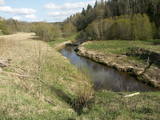 |
Riežupes dabas parks veidots g.k. Riežupes izteksmīgās ielejas, tai raksturīgo dabas vērtību – nogāžu un gravu mežu, dažādu ģeoloģisku dabas pieminekļu - smilšakmens atsegumu, alu, ūdenkritumu, upes straujteču posmu, dažādu sugu, mežu masīvu un ainavas aizsardzībai. Parka atrodas viens no Kurzemes populārākajiem tūrisma objektiem – Riežupes alas - garākais mākslīgo alu labirints Latvijā, kura eju kopgarums ir 460 m. Sākotnēji dabas veidotās alas 19. gs. vidū mākslīgi paplašināja baltās smilts ieguves nolūkos, kuras izmantoja stikla ražošanai. Parkā izveidots velotūrisma maršruts. |
|
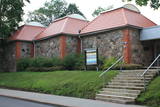 |
This is one of the oldest museums in Vidzeme and features interesting discoveries from the Middle Ages and the Iron Age, some of which were found around Lake Lubāna. Employees organise thematic exhibitions related to the culture and history of the administrative district, as well as art exhibitions. The museum is in the historical buildings of the former Birži Estate. |
|
 |
Delicious, home-made canned food and other culinary specialities for everyone who appreciates local products. Local cuisine is served and canned food can also be purchased. |
|
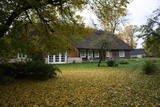 |
Ethnographical guesthouse in the historical Paenese, Muhu island
|
|
|
|
The cave, which is 45 m deep and up to 5.5 m wide is found on the right bank of the Strīķupe river, by the Cēsis-Lenči road. The cave and its nearby sandstone cliff have suffered much damage from local visitors, which is why the administrators of the national park limited access to the surrounding territory a few years ago. You can no longer approach the cave. This is a positive example of who an important geological monument and a protected biotope can be protected. |
|
 |
Krodziņš "Mežavējš" atrodas Rīgas - Liepājas šosejas 101. kilometrā. Krodziņa ēdienkartē iekļauti latviskie ēdieni. Latviešu virtuve: Skābu kāpostu zupa, biešu zupa, skābeņu zupa, aukstā zupa, kartupeļu pankūkas, plānās pankūkas ar ievārījumu, šmorētas cūkgaļas ribiņas, zemnieku cienasts, mājas kotletes, auzu pārslu kārtojums, rupjmaizes kārtojums. |
|
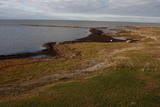 |
Puises ragā (Puise nina) ir uzcelts divstāvīgs atpūtas nams, kas apvienots ar putnu vērošanas torni. No tā paveras skats uz piekrasti, kas ir iecienīta migrējošo zosu atpūtas vieta. Šī ir privāta teritorija, kuras apskati vēlams saskaņot ar īpašnieku. |
|
 |
The cafe is situated in Sabile, where you can eat fast and tasty food. Banquets up to30 people. |
|
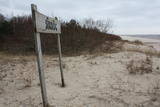 |
This is one of the oldest Livonian villages, recorded in documents for the first time in 1387. The old road from the Dundaga Estate to Sīkrags existed in the Middle Ages. During the 17th century, Sīkrags was one of the most important small ports in Northern Kurzeme, receiving ships from England, Holland and Lubeck that carried coal, grain and other products. Before World War I, there were five sprat smokehouses in the village, and some 55 fishermen lived there during the 1920s and 1930s. Among those to have been born in Sīkrags was the Livonian cultural activist Hilda Grīva (Cerbaha, 1910-1984), seafaring captain Kārlis Anbanks (1884-1937), Baptist preacher Kārlis Lāceklis (1904-1970), linguist and tradition specialist Pēteris Dambergs (1909-1987), and graphic artist Baiba Damberga (b 1957). Today the village is a cultural monument of national importance. It is crossed by a bike route, with a commemorative stone where the narrow-gauge railroad station once stood. Sīkrags, like neighbouring villages, is in the Slītere National Park. |
|


