
| No | Name | Description |
|---|---|---|
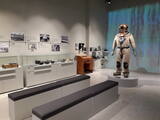 |
This exhibition features the Pļaviņas hydroelectric power plant as a unique architectural building with unique engineering elements. It is the largest producer of electricity in the Baltic States and one of the largest in
|
|
 | ||
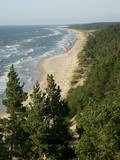 |
Construction on the lighthouse was initially completed in 1879. The structure suffered damage during both world wars and was restored several times. The structure is 19 metres high and stands 46.5 metres above the wavy sea. Here you will find one of the loveliest views of the shores of the Baltic Sea.
|
|
.JPG?size=160) |
The saloon is the Latvian Open-Air Ethnographic Museum. It is an historical saloon that was transported to the museum from Vecumnieki, preserving the smokestack, bread oven, etc. Dining can be accompanied with demonstration of crafts and performances by local musical groups. Latvian weddings are organised here, as well. Latvian cuisine: Sprat sandwiches, lampreys, stuffed pike, a dish of three types of onions, bull testicles in a creamy sauce, grilled piglet, homemade country bread, soup cooked on a campfire, pancakes. Special foods: Priede saloon roast in loganberry marinade. |
|
 |
The sculptor has established the landscape of his farm, producing artworks of wood and stone. One of his artworks, a spoon that is 6.2 m high, is in the village of Irlava. You can go on a tour and order and purchase various wood products. |
|
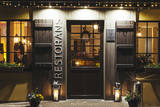 |
Small, quiet and cosy hotel with a popular gourmet restaurant near the Tallinn highway, in Ainaži, where the air is filled with the aroma of pines and the sea. In the cosy atmosphere of the restaurant you can enjoy a leisurely and delicious meal while feeling the closeness to nature. |
|
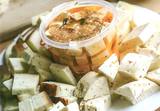 |
The Eleja creamery offers tastings of cheeses from the farm that is run by the Mālkalns family (apply in advance for the tastings!). There are seven kinds of cheeses, including smoked and matured cheeses. There is French cheese that has been prepared in partnership with a French cheese-making specialist, M Eribert. Blūdži is in the Sesava Parish, 7 km from Eleja, and welcomes small groups. The farm bakes bread, processes vegetables (tomato juice) and prepares other country goodies. |
|
 |
Klusā lauku teritorijā un priežu jaunaudzes ielokā atrodas ģimenes uzņēmums ar videi draudzīgu saimniekošanas filozofiju - "LavenderVilla". Teritorijā ir izveidots lavandas lauks un lavandas labirints ar ~ 6000 lavandas stādiem. Saimniecības apmeklētājiem tiek piedāvāts iepazīties ar lavandas audzēšanu, ko izmanto dizaina priekšmetu, ēteriskās eļļas un tējas ražošanai. Papildus tiek piedāvāti naktsmītnes pakalpojumi lavandas un zāļu atpūtas namiņā, pasākumu organizēšana (joga līdzās lavandām, tematiskie pasākumi, kāzu ceremoniju vieta u.c.), pirtnieka pakalpojumi, fotografēšanās iespējas lavandas laukā un lavandas pārtikas produktu degustācijas. |
|
 1 day
|
Ekskursijas laikā apmeklējiet dabas taku, kurā ir iespēja iepazīt Amatas novada dabas objektus gar Kumadas upes, Dančupītes un Amatas upes krastu. Pēc tam apmeklējiet Cēsu pils kompleksu. Viduslaiku pils sniedz iespēju iejusties 800 gadus tālā pagātnē, uzkāpt ar sveču lukturīšiem Rietumu tornī, nokāpt cietumā, kā arī redzēt, kā kalējs darina latgaļu rotas. Blakus esošā Jaunā pils ir 18. gs. celta pilsmuižas kunga māja, kurā tagad atrodas Cēsu Vēsture un Mākslas muzejs. Ekskursijas noslēgumā dodieties uz lauku māju Smiltenes novadā, lai iepazītu maizes cepšanu pēc sentēvu tradīcijām, kā arī pašiem izveidot savu maizes kukulīti. |
|
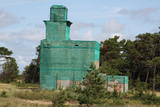 |
This is a closed and guarded territory on the banks of Lake Būšnieks in Staldzene. The former project building is on the shore of the sea.
|
|
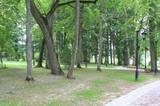 |
This is a natural monument of protected dendrological plants. The park is in the Upmala Parish, covers 2.7 ha, has been protected since 2001 and is managed by the Vārkava Administrative District Council. Judging from the oldest oak trees (approximately 200 years old), the park was established in the early 19th century, with other plants from the latter part of the century. Local species of trees, including maples, elms, fir trees, aspens, oak trees, willow trees, linden trees and hazelnut trees grow in the park, as do more than 10 exotic types of trees and bushes, including various types of maple, aspen, willow, lilac and linden trees. |
|
 |
Port accommodation Kihnu delights guests with mostly local food - if something is needed on the island, Estonian products are preferred. Local foods are mostly prepared from fish and home-grown vegetables. |
|
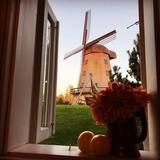 |
During a tour you will be served homemade bread, cheese, meat and beer. You will visit an ancient garden with an alley of linden trees and a park of deer and mouflons. Children will love to pet the geese, rabbits and donkey. |
|
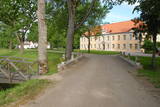 |
The estate of 12 buildings and a park has survived almost completely to this very day. The main building of the estate was erected on a largish oval island in the 1840s, and it has a moat all around it. This was meant to resemble fortified Medieval castles. The mansion is currently home to the local parish government, library and post office. Visitors can take a tour of the estate and its surroundings. There are stories about the estate to say that the baron had a beautiful daughter who, like the Rose of Turaida, refused to obey her father's instructions. Go to Veselava, and you'll hear the whole story! |
|
 |
Found along
|
|
 |
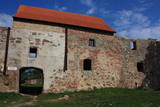
Z/S “Paldaži” ir 19. gadsimta Vidzemes lauku sēta un bioloģiskā saimniecība Limbažu novadā, kas apzināti kopj un saglabā Latvijas vēsturisko un kultūras mantojumu, tai skaitā lībisko. Saimniecību vada Andrejs Kovaļovs, kurš attīsta aitkopību, biškopību, kokamatniecību un pieredzes tūrismu, radot iespēju viesiem iepazīt gan tradicionālo lauku dzīvi, gan mūsdienīgu bioloģisko saimniekošanu. Apmeklētājiem tiek piedāvāta īsa ekskursija, kuras laikā iespējams iepazīt Paldažu apkārtnes vēsturi, saimniecības stāstu, Paldažu dižosi un bišu dzīvi. Savukārt izvērstā ekskursijā iekļauts arī dravas apmeklējums, neliela vaska sveču liešanas darbnīca un atpūta ar karstiem vai aukstiem dzērieniem. No maija līdz oktobrim saimniecībā noteiktos datumos tiek piedāvātas vakariņas un pusdienas ar jēra gaļas ēdieniem. Maltītes iespējams baudīt tikai pēc iepriekšēja pieraksta. “Paldaži” piedāvā autentisku lauku pieredzi, kas apvieno dabas tuvumu, senās sētas vidi un mierīgu gaisotni. Šī ir vieta, kur iespējams sajust Vidzemes lauku raksturu, iepazīt bioloģiskās saimniekošanas principus un uzzināt vairāk par Paldažu vēsturisko mantojumu. |
|
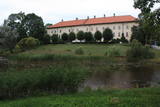 |
One of the largest castles in Kurzeme, this building has been preserved in fairly good shape. Work on its began in the mid-13th century, and it was commissioned by the heads of the Dome Cathedral in Rīga. In 1434, the estate was bought by the bishop of Kurzeme. The Maidel and Osten-Sacken dynasties owned it from the 16th to the 20th century. The Dundaga Castle burned down twice and has been rebuilt many times. The last reconstruction was in 1905, after the castle was burned down during the revolution. Of interest on both sides of the castle’s door are stone carvings of a knight and a bishop. In recent years, the hotel in the castle has been renovated, as has the second floor hallway and a terrace that is popular for weddings. There are many legends about the castle, including one about a wedding of elves and another about the Green Lady. Today the building houses the Dundaga School of Music and Art, a hotel, party rooms, the Dundaga Tourism Information Centre and various exhibitions. It is worth finding a guide to tour the castle. Groups of tourists can also order tastings of local foods. |
|
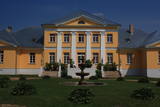 |
This estate is an unexpected surprise in this place and date. Work on the castle began in themed-18th century, and it was rebuilt one century later. During the first half of the 20th century the castle hosted an elementary school, and during the Soviet occupation it was an apartment building. Today the castle has been reborn in terms of form and content in the direct and indirect sense. The Mountain Holiness Community works here. During the summer, there are children's camps and other events. The old stairs, window shutters and brass door hinges are all original. A church is being built on the site. The Renaissance-style garden can be visited. Contact the estate in advance for a tour of the interior of the castle an church in the company of local residents who will tell you all about the history of the estate and its garden. 300 m to the south-west of the estate is the Brukna Castle Hill, which is hard to see in situ and even harder to access. |
|
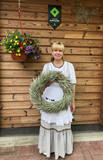 |
The Dzīļu bakery in Malnava is a symbol of Krāslava and it is located next to the Malnava manor park. The lady of the house prepare hearty Lettigalian dishes and other country goodies. In the bakery the owner bakes different types of bread, for example, rye-bread, sweet-and sour bread, as well as makes cakes on pre-order. She also offers to groups and families to bake bread, pies, cakes or pizzas together. The tasting and Latgalian dishes in nowadays’style. A walk around the park of Malnava manor and stories about the white gate. Local bread is famous in Kārsava. The bakery offers brunch on weekends, as well as markets of local crafts and other products. |
|
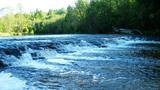 |
35 m wide and 0.5 m high, the
|
|


